Eco

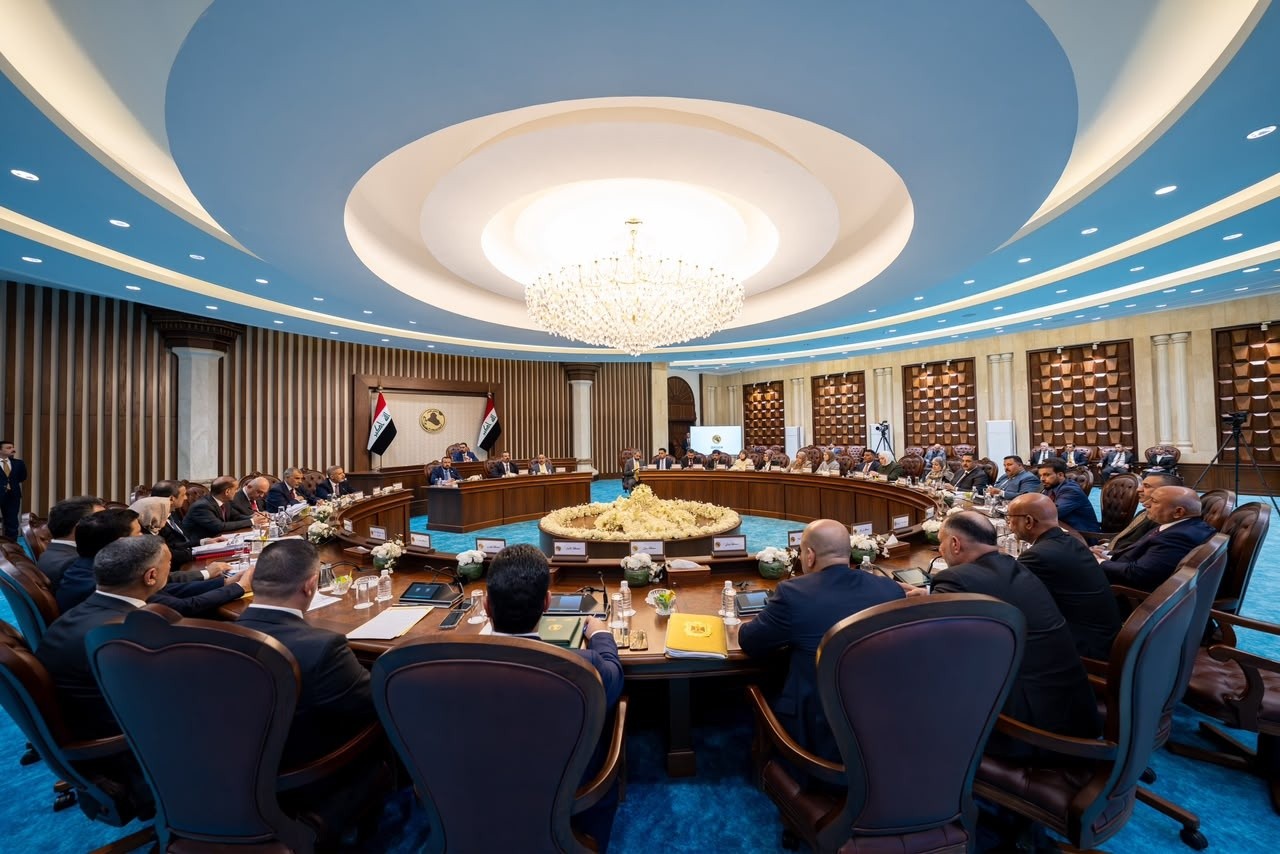
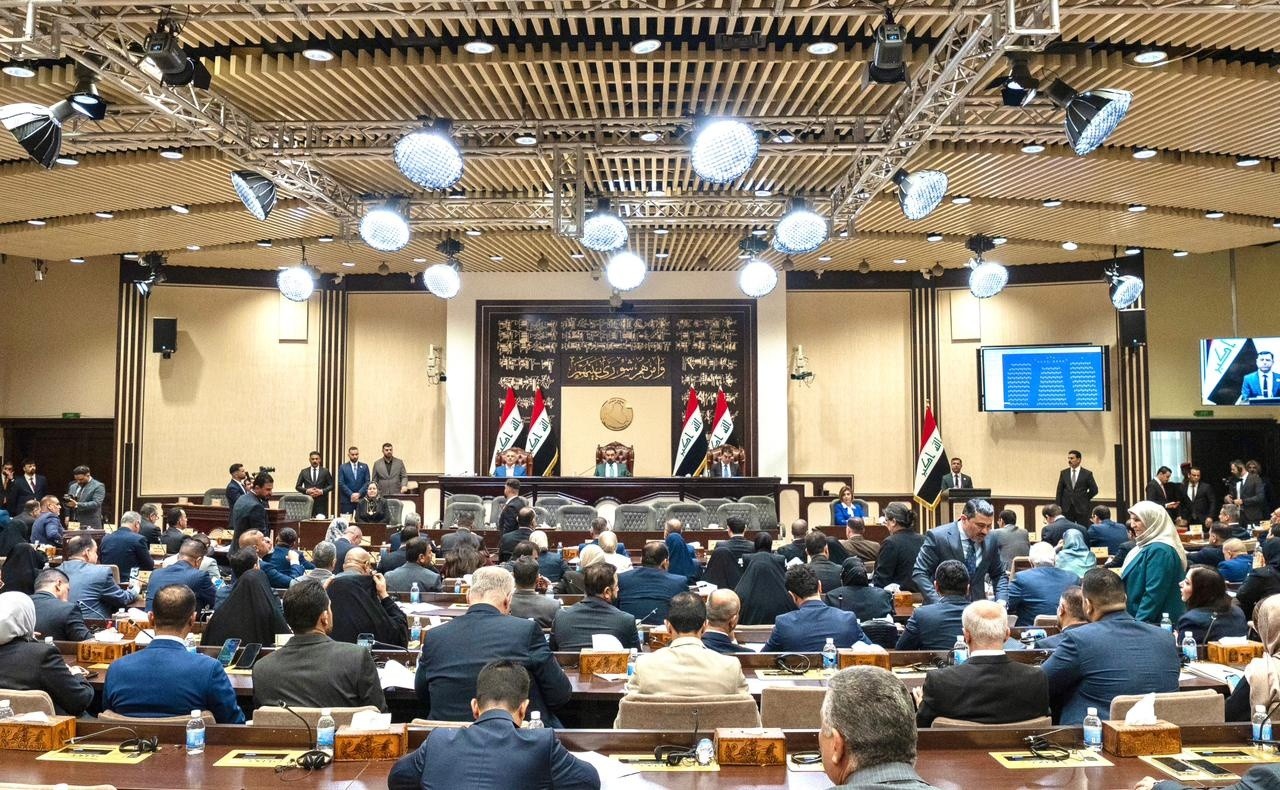
The Speaker of the Parliament, Haibat Al-Halbousi, emphasized in an extensive meeting held today, Wednesday, that relying on oil revenues for up to 90% of the federal budget constitutes an economic imbalance that necessitates diversifying income sources and enhancing export outlets. The meeting included members of regional committees, committees for planning, government programs, and endowments, alongside the Deputy Prime Minister for Economic Affairs, the Ministers of Finance and Planning, the General Coordinator for Provincial Affairs, several governors, officials, general directors, and heads of federal revenue monitoring bodies, border outlets, financial oversight, and customs. Discussions focused on mechanisms for disbursing financial entitlements to provinces from border revenues and petro-dollar returns, ensuring they receive their due shares. Al-Halbousi affirmed the council's keen interest in provincial affairs and its commitment to addressing challenges in securing financial entitlements and implementing service projects, especially with the upcoming preparation of the 2027 federal budget, which requires defining financial allocations, disbursement mechanisms, and project priorities. He pointed out that current financial conditions, declining oil exports, and regional challenges demand a realistic approach to available resources with well-studied priorities, stressing that heavy dependence on oil revenues represents an economic flaw that calls for income diversification. He noted the existence of governmental plans in this regard. Al-Halbousi stressed the necessity of preventing financial challenges from impacting provincial rights and service levels provided to citizens, urging governors to prioritize projects with direct impact and feasibility. He confirmed the council's ongoing follow-up on this matter in coordination with executive and oversight bodies, working to find necessary solutions to guarantee provinces receive their financial entitlements and expedite service project implementation to meet citizens' needs and contribute to provincial development.