Global

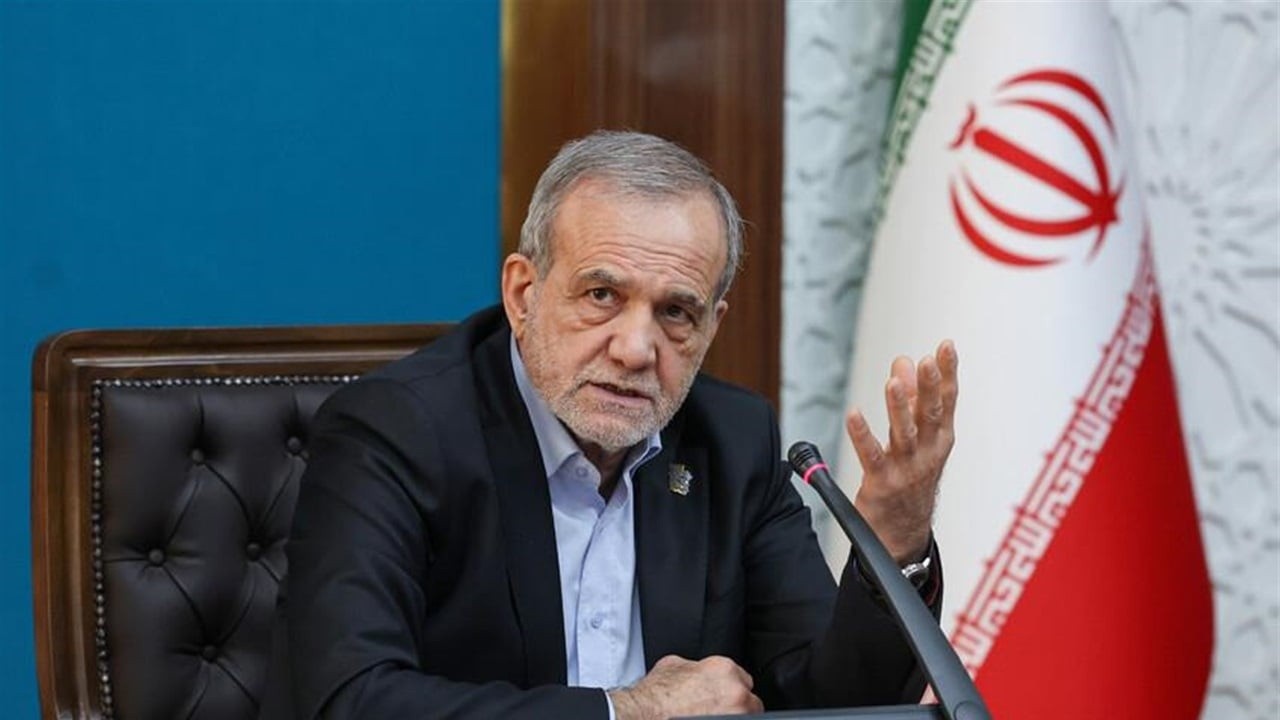
Iranian President Masoud Bezhikian affirmed on Monday that the supreme leadership has granted the government the necessary powers and mandate to address ongoing challenges through dialogue and diplomacy. Bezhikian emphasized that resorting to war serves no party's interests and that adversaries will not be able to force Tehran into submission through such means. In press remarks, he noted Tehran's strong efforts to resolve outstanding issues through dialogue, with the government receiving support and authorization from the top leadership to act accordingly. The Iranian president warned against military escalation, stating, "War benefits no side, and enemies will not compel us to surrender via this path." He concluded by underscoring Tehran's firm stance: "We will stand firmly and resolutely against the lies propagated by the enemy and their excessive demands that contradict the logic of statehood and sovereignty." Amid these tense circumstances, diplomatic efforts to resolve the matter continue, with Qatari mediators holding meetings with Iranian officials for the third consecutive day on Sunday. Informed sources revealed that Iranian negotiators left Doha on Sunday not due to difficulties, but amid discussions over a new draft proposal and the possibility of a follow-up meeting soon. Meanwhile, Iranian Foreign Ministry spokesperson Esmail Baqaei confirmed on Monday that message exchanges are ongoing, stressing that "the ball is now in the American court." It is noted that Iranian Parliament Speaker Mohammad Bagher Qalibaf is leading these negotiations under the direct supervision of the Supreme National Security Council. Conversely, pressure rhetoric from the opposing side is escalating, with reports quoting U.S. President Donald Trump warning that Iran "must either reach an agreement or we will end the matter." Additionally, reports indicated that Israeli Prime Minister Benjamin Netanyahu urged Trump during a phone call described as "difficult" to launch strikes against Iran following the midterm elections.