Local

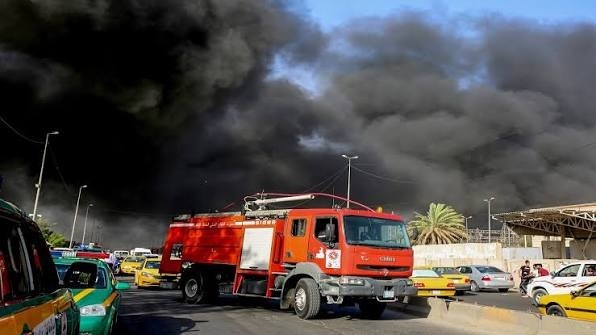
The Civil Defense Directorate announced the implementation of strict legal measures against those who obstruct the work of rescue teams and emergency vehicles, with fines reaching up to one million dinars and possible imprisonment for violators. The Director of the Public Relations and Media Department, Nuas Sabah, explained that existing Iraqi laws impose penalties on drivers of vehicles and motorcycles who refuse to clear the way for emergency vehicles or deliberately obstruct their path while performing their duties. He pointed out that failing to give way to fire and rescue vehicles is not merely a traffic violation but poses a threat to citizens' lives and delays the arrival of teams at accident sites, potentially increasing human and material losses. He confirmed that Traffic Law No. (8) of 2019 grants emergency vehicles priority during duty, with Article (25/First) imposing a fine of 200,000 dinars on drivers who refuse to give priority to emergency vehicles or violate traffic regulations, in addition to a 50,000 dinar fine for those causing congestion or blocking roads. He also noted that Civil Defense Law No. (44) of 2013 includes penalties for those who obstruct safety and evacuation procedures, block emergency exits, or hinder the work of inspection and firefighting teams, with Article (20) prescribing imprisonment of up to one year or fines ranging between 250,000 and one million dinars. He clarified that Article (23) grants the Director General of Civil Defense the authority to impose fines, while Article (24) authorizes administrative heads such as governors and district managers to apply penalties during emergencies and disasters. He highlighted that assaulting Civil Defense personnel or forcibly preventing them from reaching accident sites is punishable under Penal Code No. (111) of 1969, as amended, with Article (229) stipulating imprisonment of up to two years or fines for those who insult or threaten public servants during duty. He added that Articles (230) and (231) increase penalties for physical assault or causing injury to personnel. He concluded by urging drivers to comply with traffic instructions and give way to Civil Defense and emergency vehicles, emphasizing that delays, even by minutes, can be the difference between saving lives and worsening losses.