Local

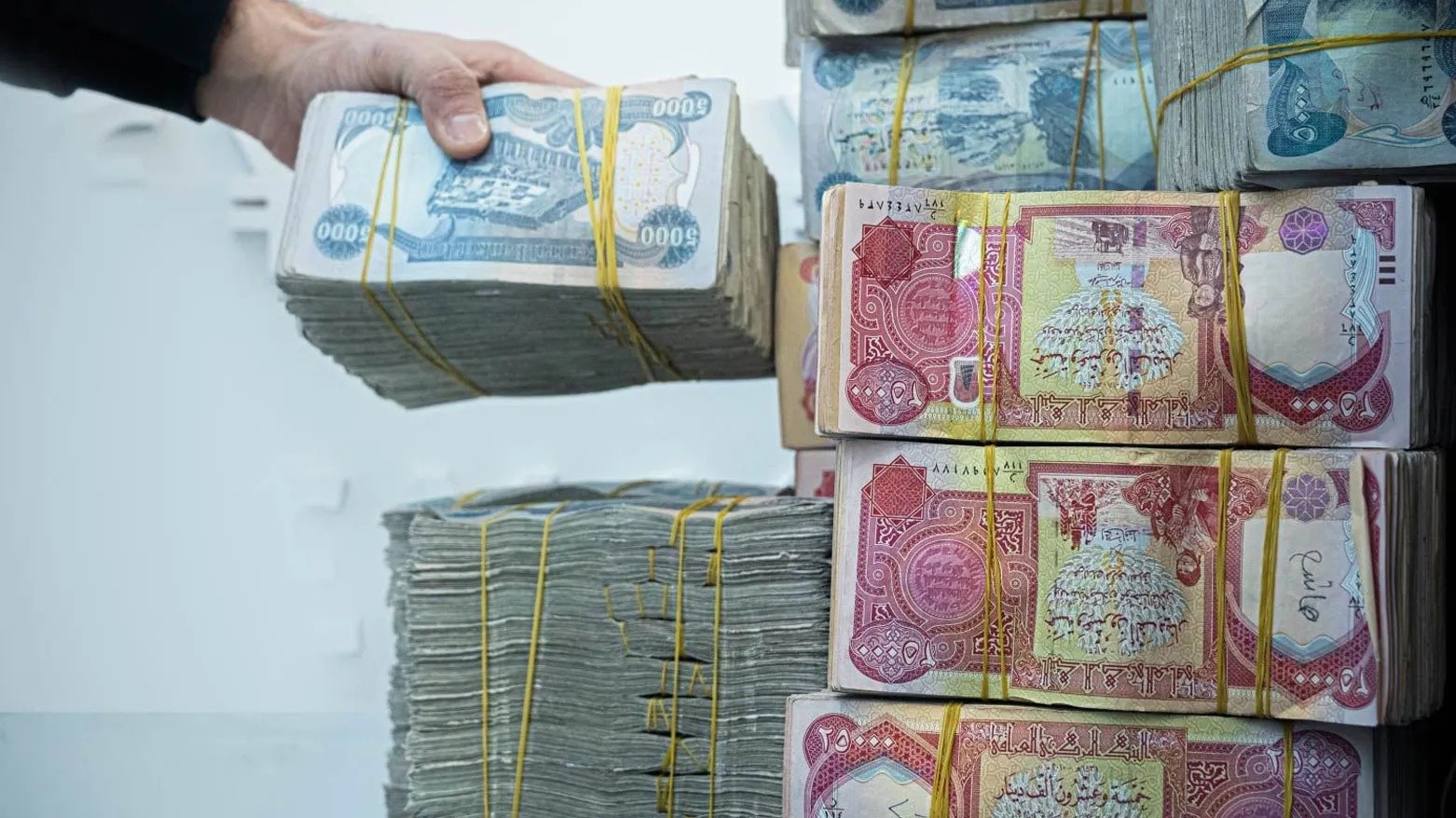
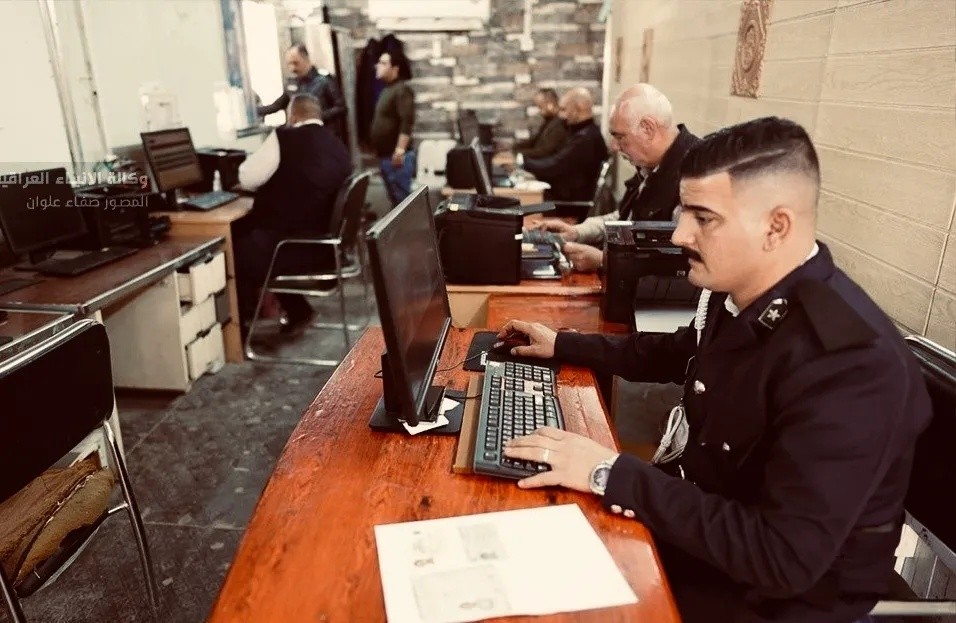
Director-General of the General Commission for Customs, Thamer Qasim, predicted on Sunday that customs revenues in Iraq would reach 4 trillion dinars by the end of the current year. He indicated that the "ASYCUDA" system contributed to raising these revenues, anticipating its implementation in the Kurdistan Region's customs outlets by year-end. The Commission is working to build a fully automated customs system. The application of the "ASYCUDA" system has contributed to increased customs revenues and accelerated transaction processing. Paper-based work has been eliminated from the Commission following the implementation of this international system, which is used in over 100 countries. The "ASYCUDA" system is currently applied throughout Iraq, with the exception of the Kurdistan Region. Qasim noted the serious commitment from both the federal and regional governments to unify financial and customs policies and to implement the system in the Region's outlets. He expects "ASYCUDA" to be applied in the Region's outlets by the end of the current year. Unofficial outlets in the Kurdistan Region represent a common challenge for both parties. Qasim reviewed the trajectory of customs revenues. They amounted to approximately 800 billion dinars before the "ASYCUDA" system was implemented in 2022, rising to 1 trillion dinars in 2023. By mid-2024, following the system's application, revenues reached around 2 trillion dinars. Customs revenues in 2025 were recorded at approximately 2.6 trillion dinars. Notably, current year revenues, up to last July, have already exceeded 2.6 trillion dinars, equivalent to the entire revenues of 2025. The Commission expects revenues to reach approximately 3 trillion dinars by the end of September, projected to hit 4 trillion dinars by year-end. Regarding trade movement, Qasim affirmed that the war affected commercial exchange in ports, leading to a 50 percent decrease. Trade traffic shifted to the Trebil, Waleed, and Rabia border crossings. Concerning the declaration of imported goods' value, he clarified that this responsibility falls on the merchant and importer. The "ASYCUDA" system aids in detecting money laundering operations. He also indicated there is no ban on importing any type of vehicles. The Ministry of Trade is responsible for monitoring price increases in markets. Qasim confirmed the existence of some manipulation in goods descriptions. 70 percent of goods transactions are completed within 24 hours.