Local

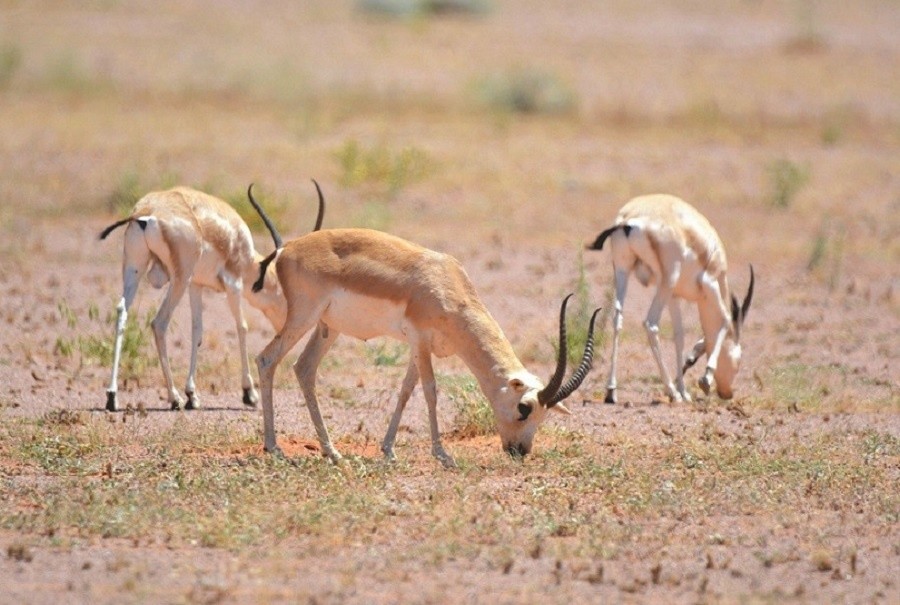
The Environmental Police Directorate announced the registration of 87 cases of illegal hunting during 2026, highlighting efforts to establish animal shelter centers in four provinces. Major General Thaer Hamid Saleh, head of the Environmental Police, explained that the Wildlife Protection Law No. (17) of 2010 stipulates a three-year imprisonment penalty for violators and specifies the types of animals that are prohibited from being hunted. He pointed out that Iraq is committed to international agreements such as CITES, which regulates trade in wildlife species, and the CMS agreement focused on protecting migratory species. The directorate previously confiscated Steppe Eagles at a market in Baghdad; these birds were transferred to veterinary clinics for rehabilitation before being released back into their natural habitats to continue their migration journey originating from Kazakhstan through Iraq to the Hejaz and Africa. He noted that the individuals who possessed these birds fled once confiscation procedures began, emphasizing that seizing these birds represents a loss for them and underscores that hunting and trading these species is prohibited. Regarding illegal hunting cases, he stated that 87 cases were recorded in 2026, including the use of electric shock fishing, distributed between the provinces of Najaf and Salahuddin, with the majority in Najaf. Offenders were apprehended, referred to the judiciary, and their fishing equipment was confiscated, with fines imposed according to the law. He confirmed that cases involving endangered species hunting are currently few due to legal protection, and some species no longer exist in sufficient numbers to reproduce, necessitating additional protection. He mentioned that rare fish species in the Haji Ali sinkhole in Anbar province are monitored and specially protected. Concerning the handling of confiscated animals and birds, he explained that birds are transferred to veterinary clinics for rehabilitation and released according to migration seasons to ensure they can continue their journey. He indicated that the Ministry of Environment is seeking to acquire land in the provinces of Dhi Qar, Anbar, Nineveh, and Baghdad to establish animal shelter centers, especially for species confiscated by the ministry and Environmental Police. He confirmed that markets trading in wild animals and birds are regularly monitored by Environmental Police centers in Baghdad and other provinces, noting that those possessing these species are often not hunters themselves but buyers from hunters who bring them for sale and trade. The Environmental Police managed to seize birds displayed in markets despite not yet apprehending the hunters, making confiscation a loss for traders and encouraging hunters to seek alternative livelihoods. He clarified that the Ministry of Agriculture is responsible for issuing hunting permits and regulating the file, while the Hunters Association does not have the authority to grant permits. The Ministry of Environment is the technical body overseeing environmental and wildlife affairs, with the Environmental Police and security forces enforcing laws. He pointed out that the biggest challenge is the lack of public awareness about environmental issues and their impact on humans and animals, emphasizing that humans and animals are elements of the environment alongside air, soil, and water. The Environmental Police currently conduct awareness campaigns to reduce this phenomenon. He added that the directorate focuses on monitoring bird and wildlife markets, which operate only on Fridays, requiring intensified oversight on that day. He stated that the Minister of Interior has shown interest in environmental affairs, directing the opening of additional Environmental Police centers in Baghdad and provinces, requesting identification of challenges facing the directorate, and confirming readiness to support it with human resources, equipment, and necessary tools to enhance its work.