Global

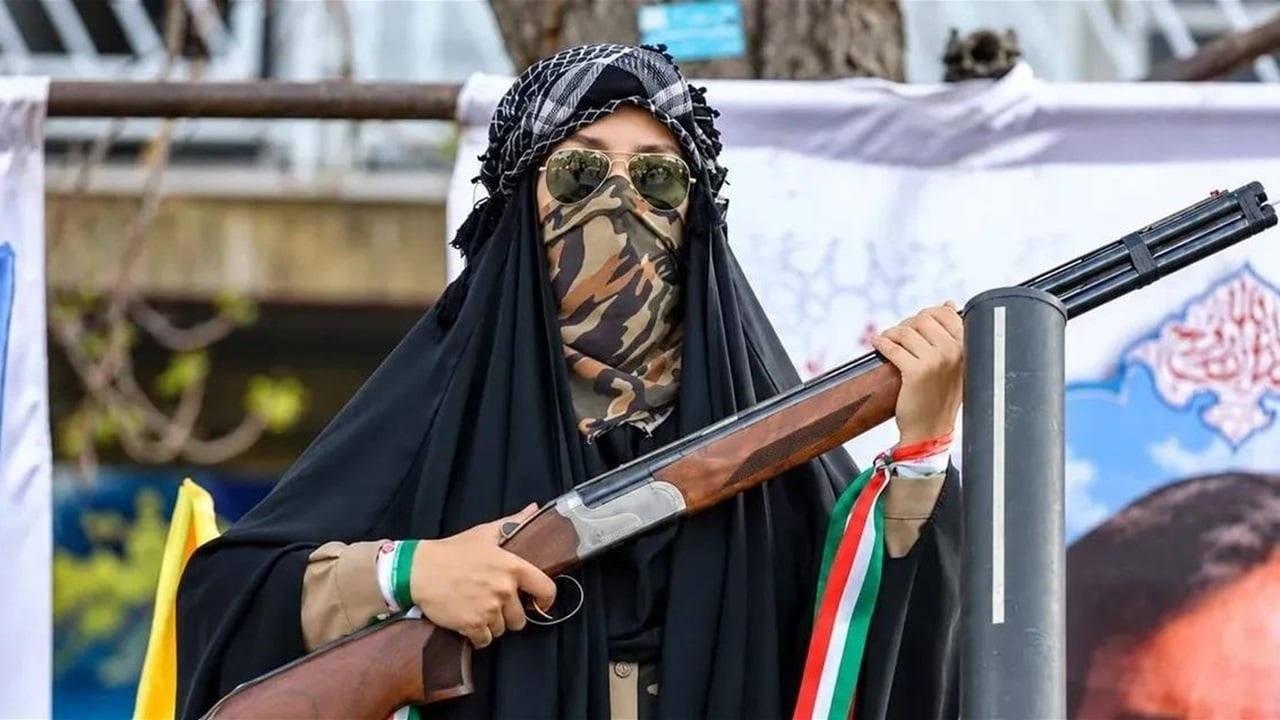
The Iranian scene is witnessing notable field developments, as the first official armed women's battalion has been established in the capital, Tehran, specifically within the structure of the semi-governmental Basij forces. This exceptional step comes as an essential part of a broader program to rehabilitate civilian volunteers and recruit women, aiming to raise the level of military readiness necessary to defend Tehran against any potential external escalation that the country might face in the near future. This newly established battalion is scheduled to operate as "rapid response forces," where female elements and volunteers undergo intensive military training programs that include how to use firearms and various combat equipment. These women's training sessions included extensive maneuvers across Tehran province, while the authorities were keen to present women's participation as an essential part of the woman's model in the "Islamic Revolution," which integrates family responsibilities with active participation in defense and resistance. This field step comes in light of consistent reports confirming the decline of the Iranian army's military capabilities and its urgent need for more personnel and elements, against the backdrop of ongoing operations against the country for more than seven months. These developments fall directly within the "Jan Fida" campaign launched by the Iranian authorities with the aim of organizing, mobilizing, and training civilian volunteers, and effectively turning them into defense units and specialized emergency response units when needed. Official authorities confirm that the campaign aims to form about a thousand "national popular resistance battalions," in addition to forming a thousand emergency response units, while obligating volunteers to undergo military training that completely suits the nature of modern wars. Military training and emergency response programs started first in the capital, Tehran, and will later extend to include the rest of the Iranian provinces successively. The training programs include axes of neighborhood security, general readiness for a state of war, information monitoring, counter-espionage, in addition to direct practical training on operating small drones and using shoulder-fired anti-aircraft and anti-armor missiles. In Imam Hussein Square in central Tehran, a military training complex simulating the operational environment was established, equipped with all necessary tactical equipment, to provide practical training for civilians on using various weapons and combat equipment. In the same context, the campaign established specialized combat units and organized direct military training for women, as part of serious endeavors to involve them in comprehensive defense programs. The Iranian authorities view the "Jan Fida" campaign as a wide-scale program to enhance popular readiness, while data indicates that the campaign's activities have gradually expanded to move from mere military training to organizing nighttime gatherings and widespread marches in public squares. These accelerated military developments coincide with Iran's preparations for a potential new confrontation, amidst a state of stalled negotiations and ongoing American threats to resume military operations, in addition to the aggravation of the severe economic crisis that is burdening Iranian citizens at the present time.