Global

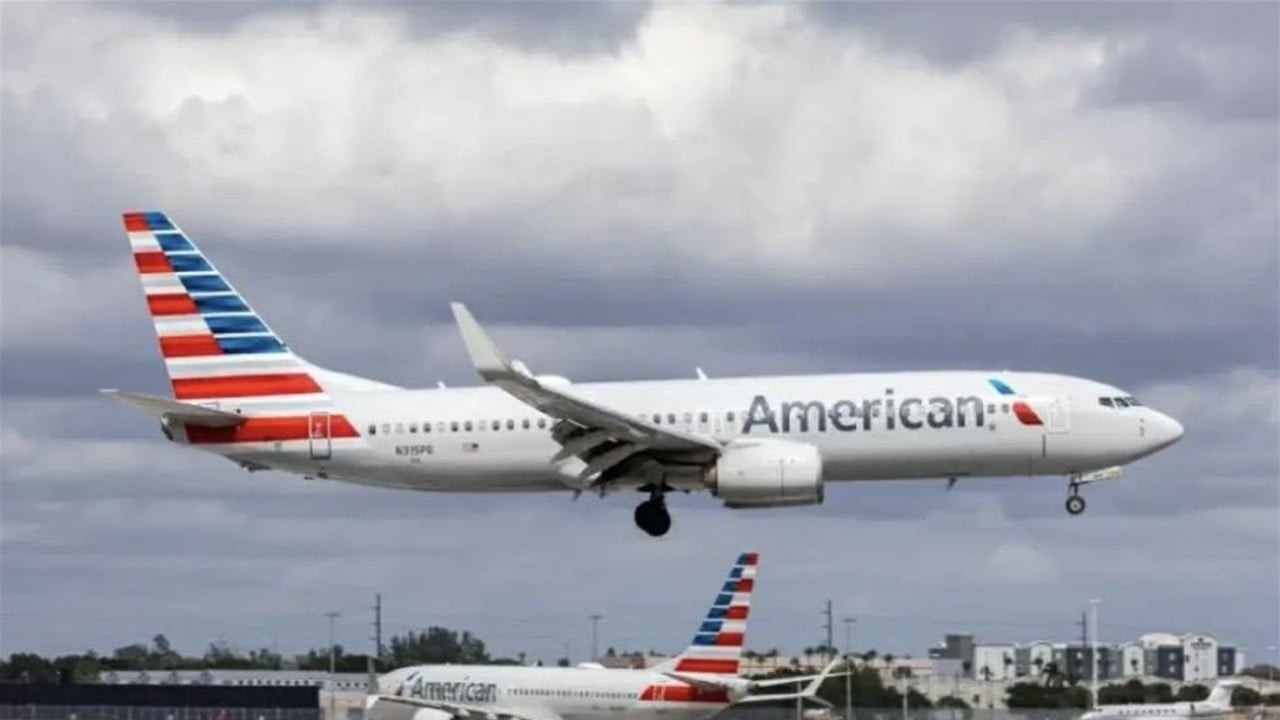
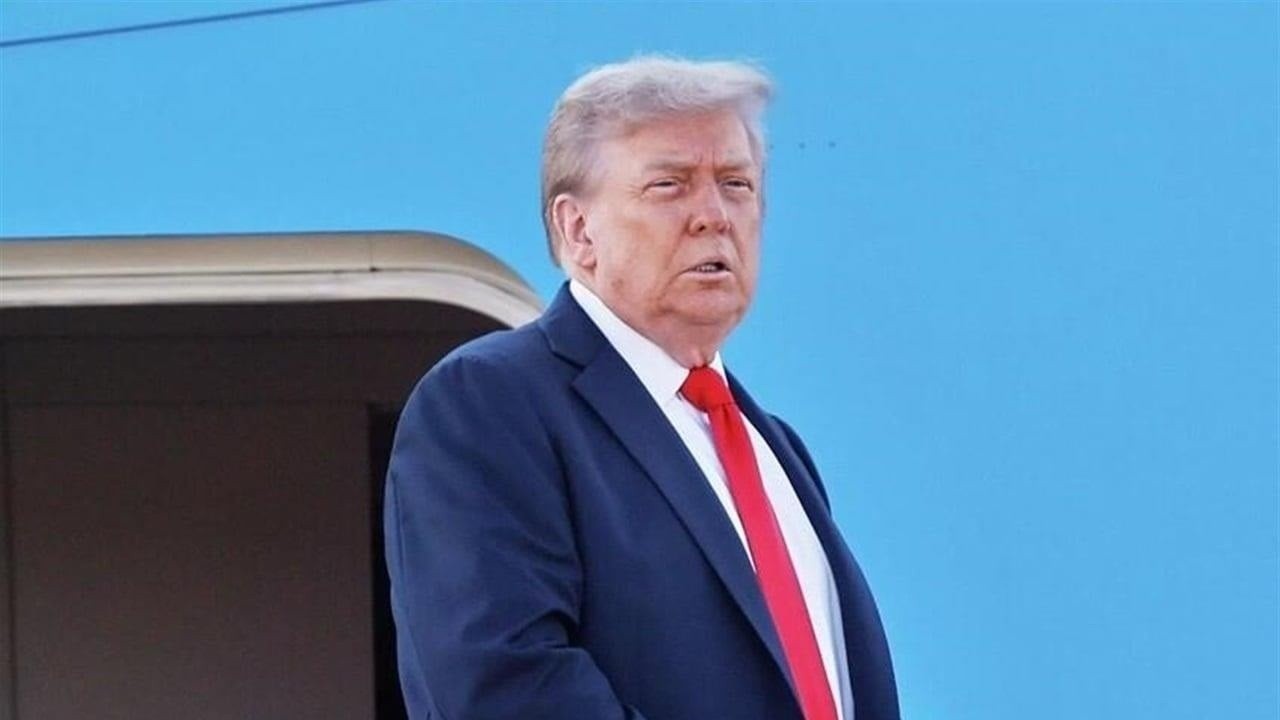
Air traffic in the United States began to gradually return to normal on Monday after three days of significant disruptions that led to the cancellation and delay of thousands of flights. This followed an exceptional decision issued on Friday to halt aircraft takeoffs nationwide, a rare occurrence in the history of U.S. aviation. Data from a flight tracking company showed that more than 250 flights were canceled on Monday, compared to over 2,300 cancellations on Sunday. Delayed flights numbered over 700, down from more than 10,000 the previous day. Officials attributed the crisis to a malfunction during the updating of communication cables used in air traffic control, prompting authorities to issue a nationwide takeoff halt, the second such decision since flights were suspended after the September 11, 2001 attacks. In response, the current administration linked the disruptions to accumulated problems in the aviation infrastructure systems, while the former president blamed the previous administration, stating that the system suffers from aging and malfunctions, and called on Congress to provide necessary funding for modernization. Meanwhile, the U.S. Secretary of Transportation requested $50 billion to upgrade air traffic control systems, noting that some radar equipment dates back to the 1960s. He confirmed that full restoration of flight regularity will take time due to aircraft and crew displacement during the crisis.