Global

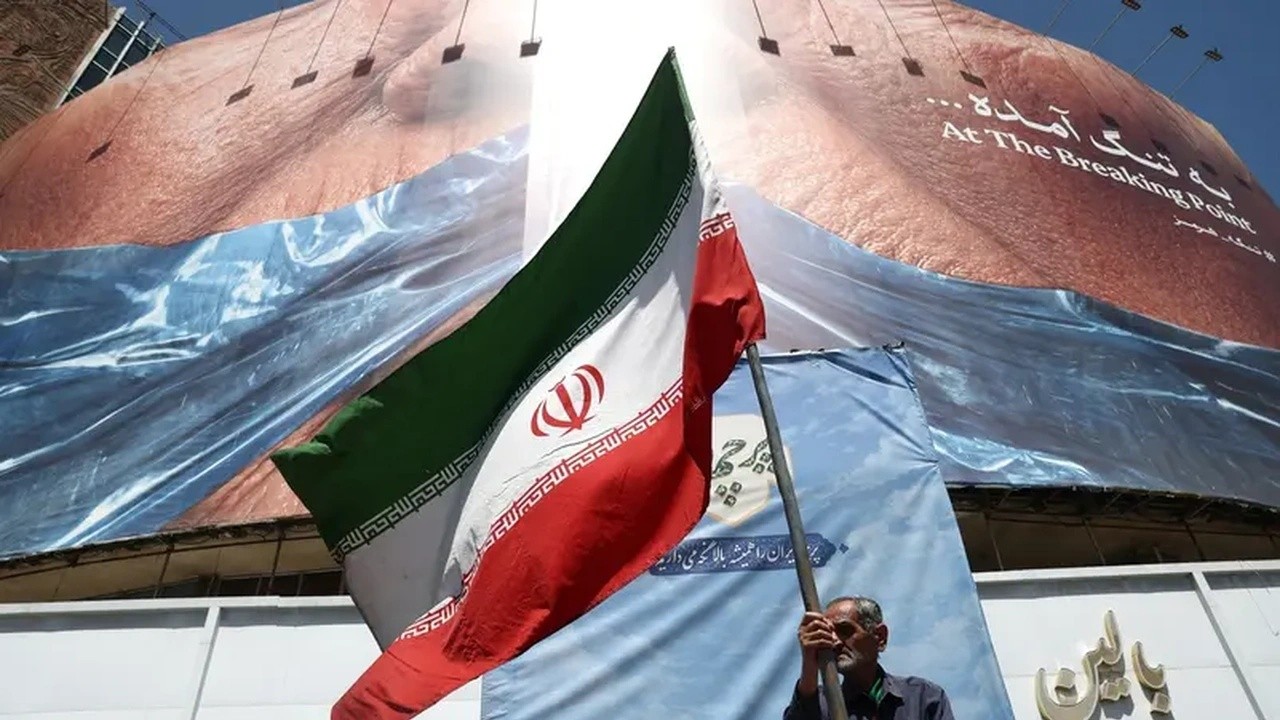
Mohammad Jafar Asadi, the deputy commander of the Iranian military headquarters known as "Khatam al-Anbiya," hinted at the possibility of revising the religious rulings concerning the production of nuclear weapons depending on evolving circumstances, noting that jurists' opinions on the matter may vary. Asadi clarified that he does not have the authority to issue a religious ruling on this issue, as he is not a religious scholar, emphasizing that the determination of the legal ruling rests with qualified religious authorities and jurists. He explained that religious rulings can differ according to the interpretations of various scholars; some may consider a certain act obligatory, others may view it as recommended, or issue different judgments, stressing the importance of consulting specialists to accurately define the religious ruling. These statements come amid increasing debate within Iran regarding the future of its nuclear doctrine, which for years has relied on a fatwa by the late Supreme Leader Ali Khamenei forbidding the production, possession, and use of nuclear weapons, serving as a key religious foundation for denying any pursuit of nuclear bomb development. The debate coincides with the aftermath of recent conflicts and attacks targeting Iranian nuclear facilities, as well as the assassination of Khamenei and several senior officials, prompting a reassessment of the nuclear doctrine among hardline political and military circles close to the Revolutionary Guard, alongside calls to shift from merely possessing the capability to approach nuclear weapon production to actually manufacturing them as a deterrent to prevent repeated attacks.