Global
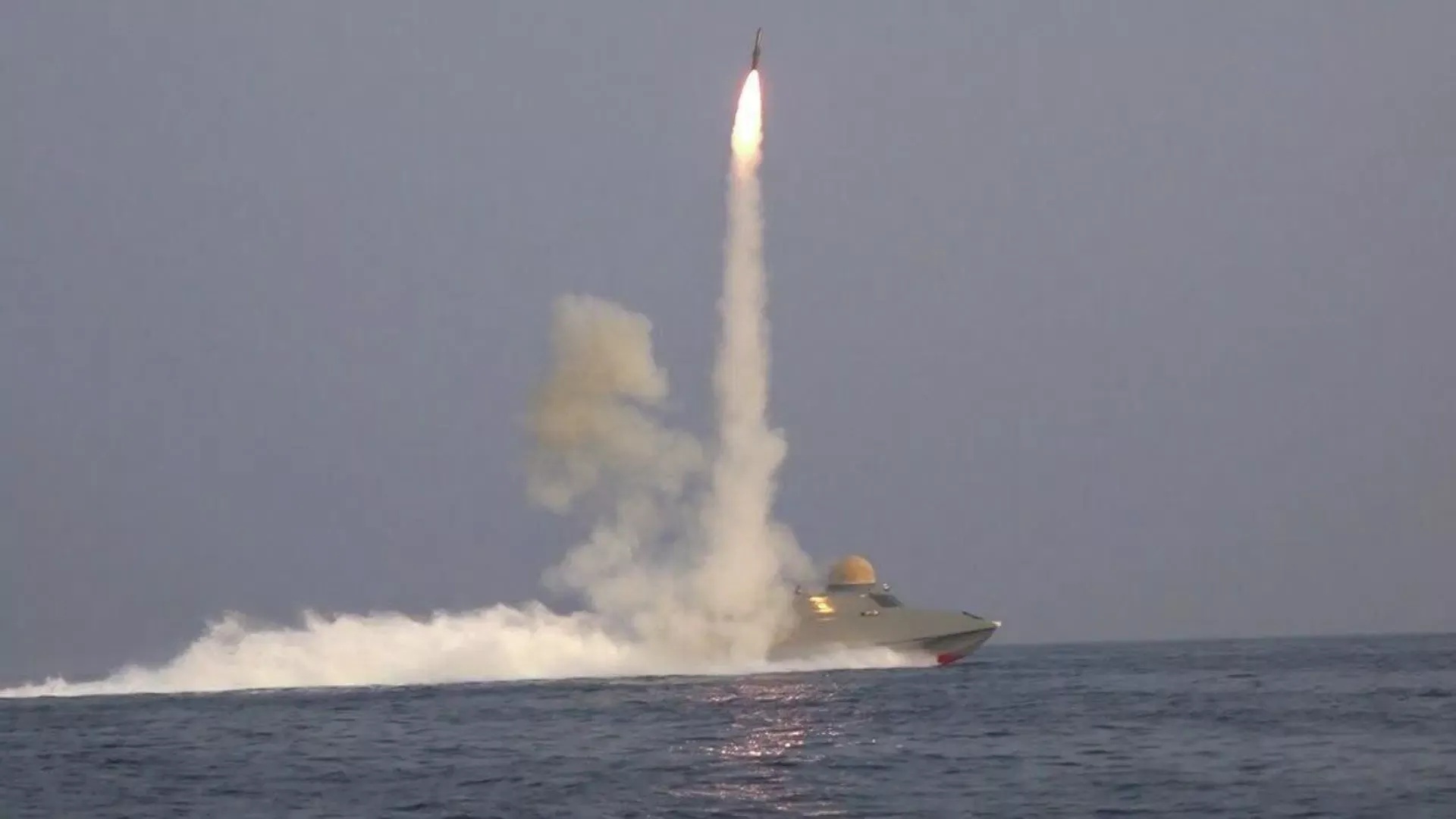
A senior Iranian official affirmed on Tuesday that the Strait of Hormuz, a vital shipping lane, will not be opened until Tehran's conditions are met. The official emphasized that any renewed breach of commitments by the adversary or a return to conflict would be met with harsher conditions and greater cohesion than before, reiterating the continuation of a deterrent policy. Meanwhile, the spokesperson for the Iranian Revolutionary Guard Corps (IRGC), Brigadier General Hossein Mohebbi, stated that what he referred to as the "Ramadan War" contributed to returning a portion of the conflict's costs to the United States and its allies. Brigadier General Mohebbi's remarks came during a speech in Qom, where he indicated that this war had exposed Washington's strategic weaknesses and highlighted Iran's significant influence in regional military, economic, and political equations. Brigadier General Mohebbi added that the United States has often sought to burden other nations with the costs of its wars, keeping the conflict away from its own territory. However, he noted that this equation underwent a fundamental shift during the recent conflict, with costs returning to the American side itself. He clarified that this capability stemmed from the combined efforts of the Quds Force, the Armed Forces, and the Islamic Revolutionary Guard Corps, which managed to transfer the burdens of the conflict to the opposing party. He further pointed out that the war led to a significant depletion of American strategic weapons, which Washington desperately needs, asserting that replacing this deficit will not be possible in the near future. He warned that any American threat would be met with a similar counter-threat, and Washington's implementation of its threats would incur exorbitant costs, especially given that hundreds of thousands of miles of energy transmission lines, thousands of power stations, and facilities connected to global networks are within range of threat. The spokesperson concluded by noting a significant decline in the American naval presence in the Gulf. He stated that the United States possessed over 100 warships during the "Sacred Defense" period and approximately 30 to 40 vessels before the "Ramadan War," whereas currently, there are no American warships in the Gulf.