Eco

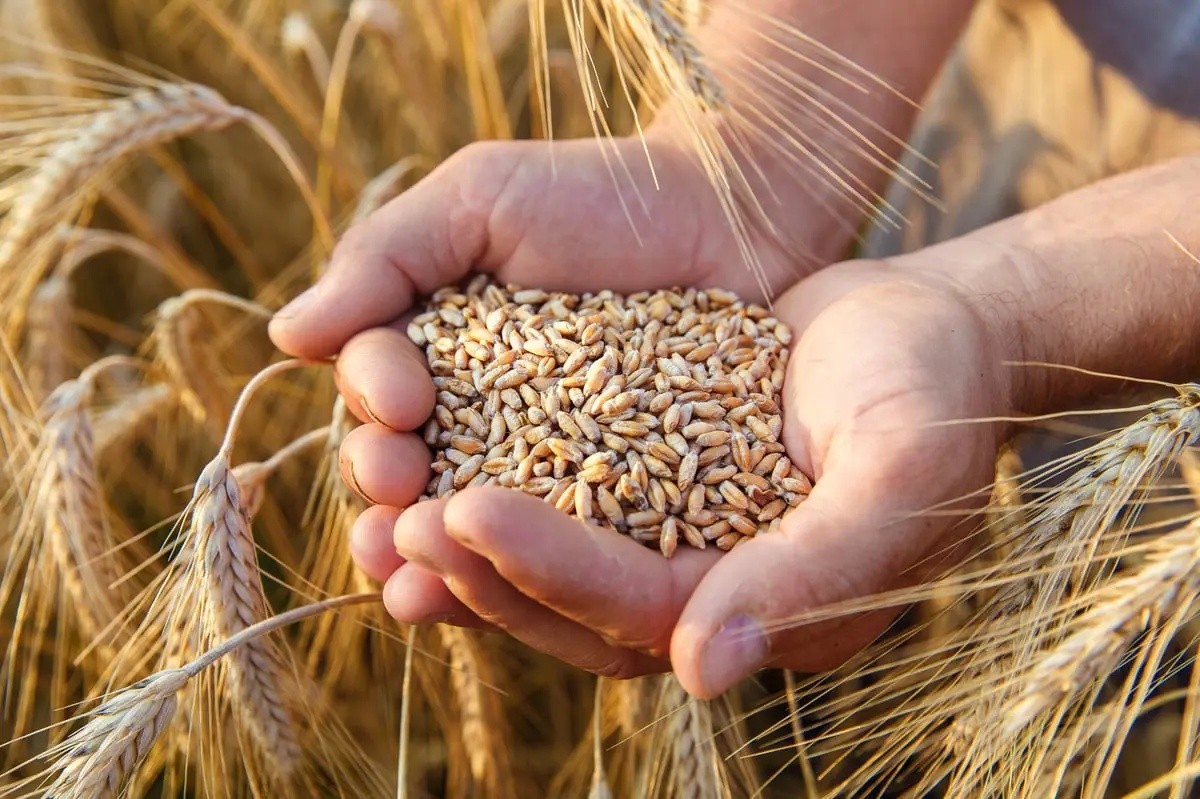
The Ministry of Planning announced that Iraq achieved high levels of self-sufficiency in the production of wheat, dates, and potatoes during 2023, while noting a sharp decline in sorghum production. The ministry stated that the self-sufficiency rate for wheat reached 99.5%, dates 178.5%, and potatoes 97%. The surplus in dates production exceeded 329.8 thousand tons. The statement highlighted a 75.4% increase in tomato production, reaching 534.8 thousand tons, with self-sufficiency in chicken meat at 82.2% compared to 58% for table eggs. Conversely, sorghum production saw a significant drop, falling from 265.9 thousand tons in 2017 to 12.6 thousand tons in 2023, a decrease exceeding 95%. Self-sufficiency in sorghum dropped to 0.6%, with an import gap exceeding 2.06 million tons. This decline was attributed to water scarcity and reduced agricultural plans, leading to decreased cultivated areas for sorghum, which heavily depends on water availability during its growth stages. The statement noted that sorghum, used to produce rice, is an important food crop in Iraq, especially the Amber and common rice varieties consumed locally. Improved water conditions prompted the Ministry of Agriculture to expand the allocated areas for its cultivation in 2024, with plans to lift restrictions on its cultivation among strategic crops by June 2026. Regarding dates, data from the Food and Agriculture Organization of the United Nations (FAO) showed Iraq ranked fourth globally in date production for 2023. According to earlier statements from the Ministry of Agriculture, Iraq’s date exports ranged between 300 and 350 thousand tons, with producers and exporters targeting regional markets and other countries, benefiting from demand for Iraqi varieties. For other crops, the ministry’s report indicated continued reliance on imports to meet part of the needs, with self-sufficiency rates at 15.2% for sesame, 16.7% for dry broad beans, and 41.8% for citrus fruits.