Global

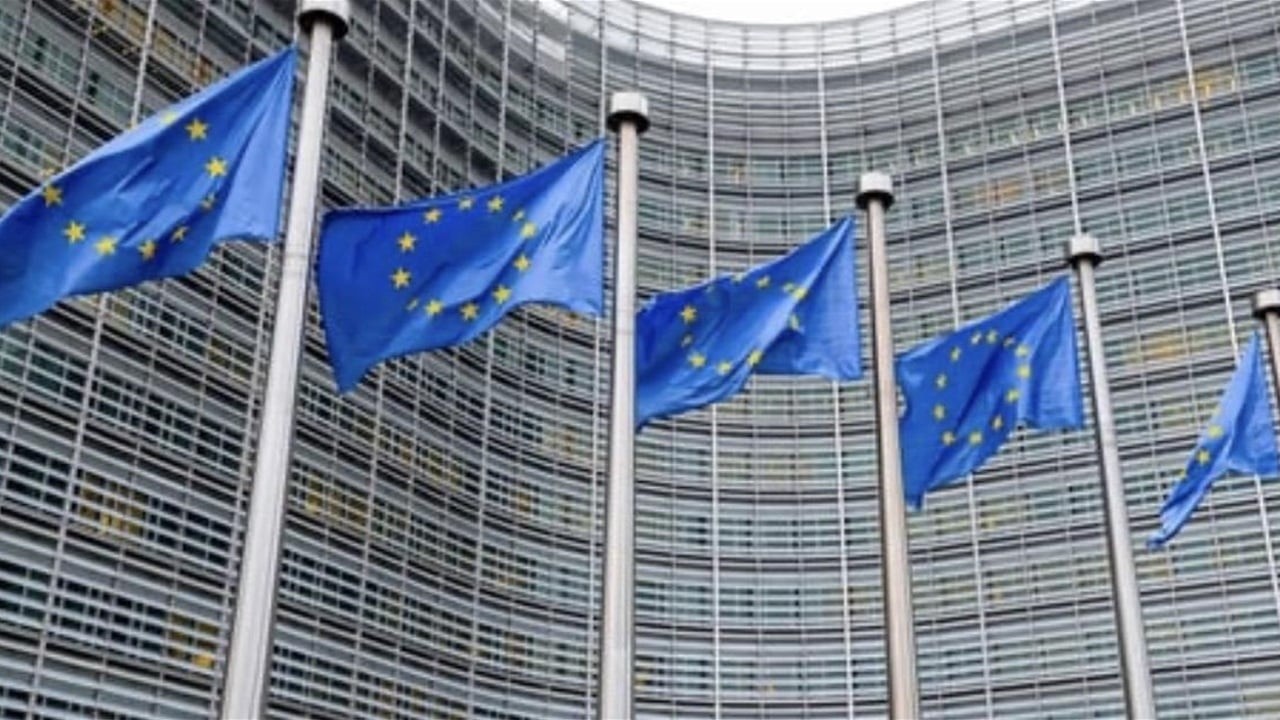
In a move aimed at securing industrial supply chains and protecting the continental economy from external fluctuations, the European Union has unveiled ambitious plans to finance and support dozens of new industrial initiatives. Through these strategic actions, Brussels seeks to reduce excessive dependence on the Chinese market in the vital materials sector and ensure stable, sustainable flows that meet the needs of diverse vital industries. A prominent European Commission industrial official, Stéphane Séjourné, explained during statements made on Friday that developing infrastructure related to mining and processing resources within the Old Continent has become an urgent and inevitable necessity. These positions came in the wake of restrictions and controls previously imposed by Beijing on the export of raw materials and components essential for manufacturing operations, which prompted Brussels to accelerate steps toward self-sufficiency and diversification. The newly supported initiatives are geographically distributed across sixteen member states of the unified bloc, including the French Republic, which accounts for a substantial share comprising six vital projects. The targeted activities vary, with eight projects focusing on mining and field extraction, eleven projects specializing in refining and processing operations, nineteen projects covering the vital recycling sector, and the remainder combining multiple integrated activities. The list of materials targeted in these operations includes highly critical metal elements such as lithium, nickel, cobalt, manganese, and magnesium, in addition to rare earth elements that enter essentially into the manufacture of permanent magnets. These outputs play a pivotal role in operating major industrial sectors including modern automotive manufacturing, renewable energy systems, advanced digital applications, and defense and security industries. These developments come as a direct response to growing concerns among economic and political circles in Brussels regarding the security of vital supplies, especially with China's clear dominance over global refining operations and the use of the export card in previous trade tensions, before relations witnessed a temporary calm thanks to mutual understandings with Washington. To turn these plans into a tangible reality, official authorities in the bloc have allocated massive financial sums reaching two billion euros to support current initiatives, which complement forty-seven projects previously selected within member states, along with thirteen additional projects in areas outside European borders. In the regulatory context, twenty-five initiatives from the first group have successfully completed environmental impact assessment studies, while seventeen projects have obtained official construction permits thanks to exceptional facilities aimed at accelerating the pace of field implementation.