policy

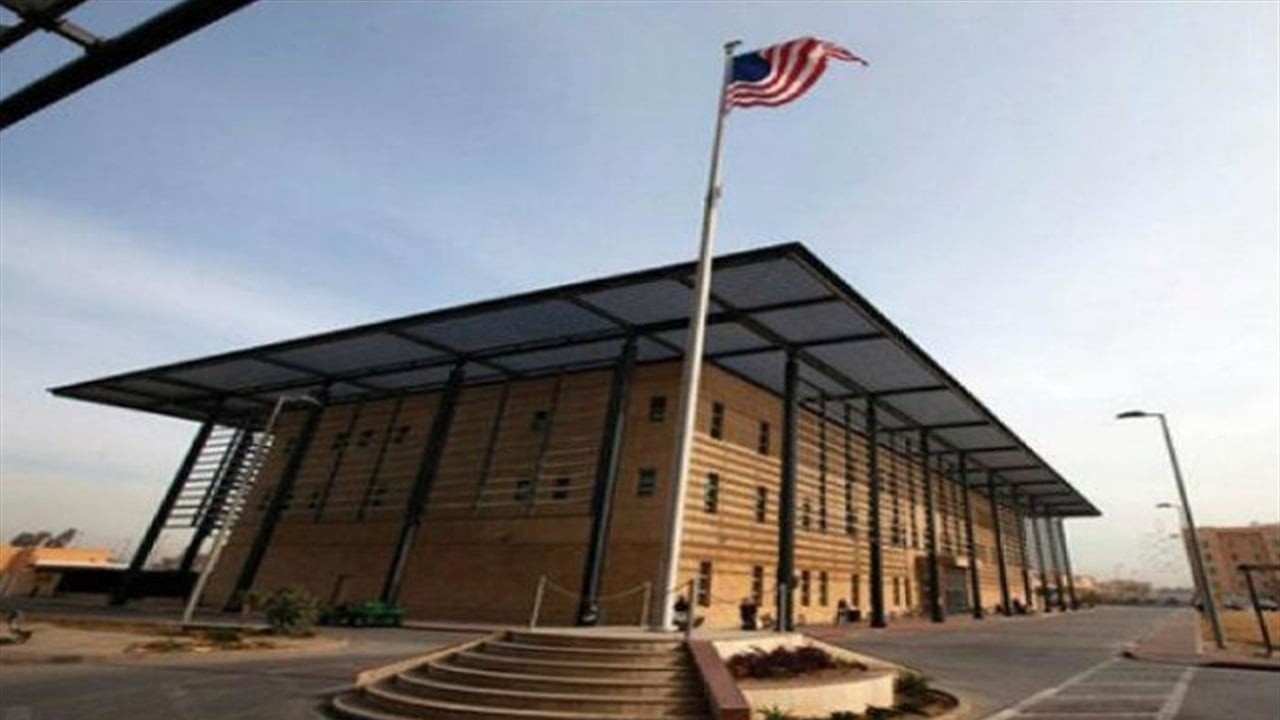
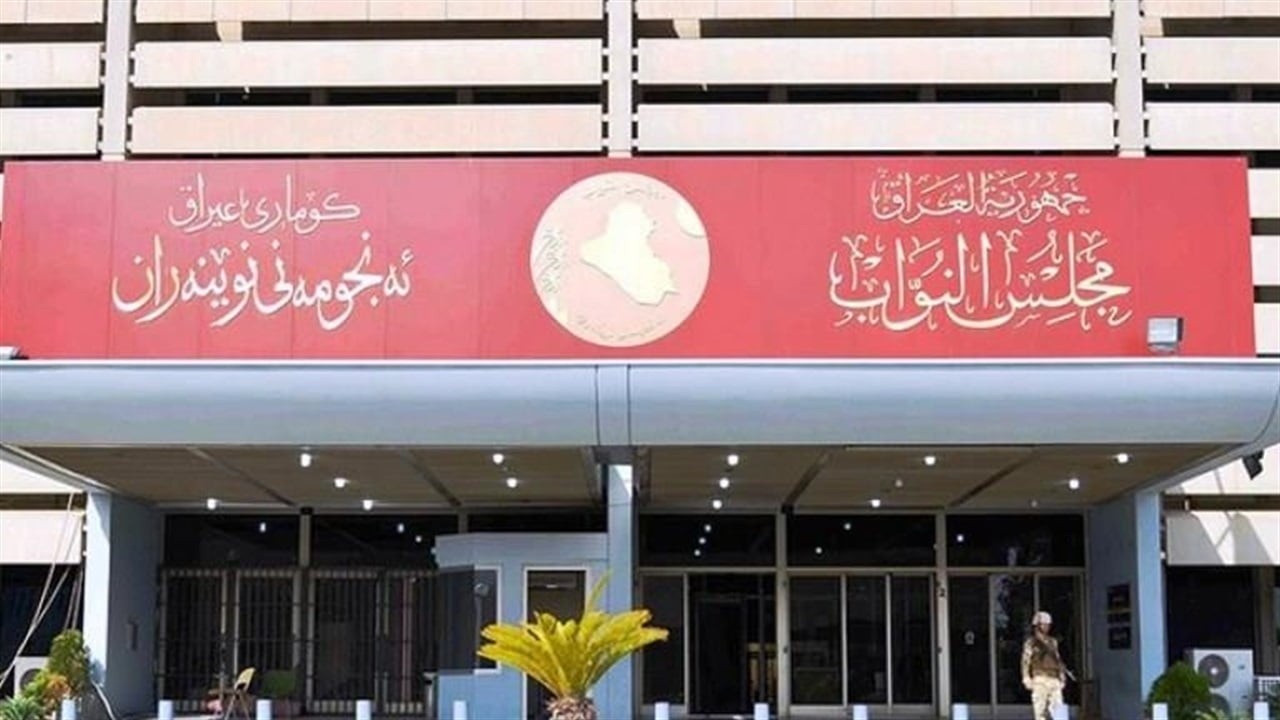
The political landscape in the Iraqi capital, Baghdad, has recently witnessed notable developments, represented by the escalation of parliamentary and factional momentum demanding a reduction in the size of the US diplomatic mission and the restructuring of its duties to be strictly confined within standard diplomatic frameworks. This movement comes in the wake of the official announcement regarding the conclusion of the international coalition's mission and the completion of foreign troops' withdrawal from Iraqi territory according to previously scheduled timelines. In this context, parliamentary sources revealed that the Parliamentary Foreign Relations Committee intends to put forward a practical proposal obligating the Iraqi government and the Ministry of Foreign Affairs to take actual steps to decrease the number of diplomatic and administrative personnel within the US embassy. Committee member, MP Mukhtar Al-Youssef, explained that the current workforce density far exceeds what diplomatic norms and the nature of joint representation between the two nations require, calling for the necessity of applying the principle of reciprocity and aligning the US embassy's staffing levels with the size of the Iraqi diplomatic mission in Washington. He emphasized that this step does not aim in any way to sever ties with Washington, but rather seeks to regulate them and restore them to their proper diplomatic footing. This parliamentary orientation aligns with clear factional stances, most notably the position of the Al-Nujaba movement, which called for treating the US embassy like any other accredited foreign embassy, rejecting its continued existence in the form of a closed military and security city. It also stressed the importance of putting an end to what it describes as economic hegemony and political interference. On the other hand, MP Moqdad Al-Khafaji, representing the Hoquq movement, pointed to ongoing parliamentary and popular pressures and efforts to reduce the large area occupied by the diplomatic compound in the Green Zone—amounting to approximately forty-two hectares—and to restrict its activities strictly to the diplomatic sphere, away from interference in complex security, economic, and political files. Questions continue to be raised regarding the true role of the US mission in light of the vast expansion of the diplomatic compound and its previous multifaceted roles that included political, economic, and security aspects alongside consular work, while critics view these facilities as platforms for expansive influence. In the same vein, political and security researcher Ali Sobhi believes that downsizing the staff and limiting it to essential personnel constitutes a pivotal step toward correcting the trajectory of bilateral relations, pointing out that the current presence includes intelligence activities and security and military elements that transcend the traditional concept of diplomatic work, while simultaneously affirming that this reduction does not imply terminating the extensive mutual interests between the two countries. In a related field development, the report touched upon the incident of trampling the US flag during Sovereignty Day celebrations, where Prime Minister and Commander-in-Chief of the Armed Forces Ali Al-Zaidi issued immediate directives to form a high-level investigative committee. The investigations resulted in the arrest of a number of individuals involved in the incident. Official authorities reiterated their absolute commitment to international diplomatic laws, norms, and the protection of missions, noting that similar incidents occurred in previous milestones without successive governments taking judicial measures against the protesters.