policy
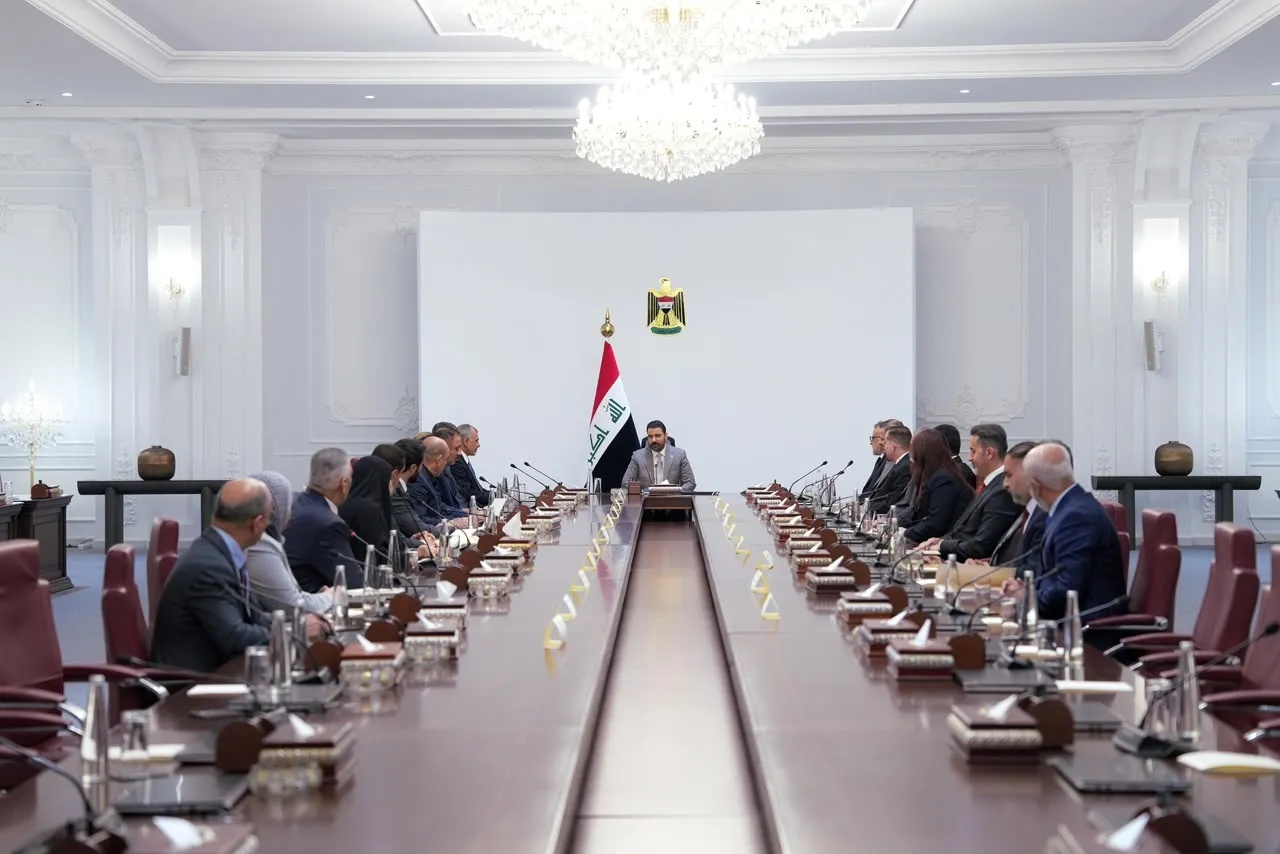
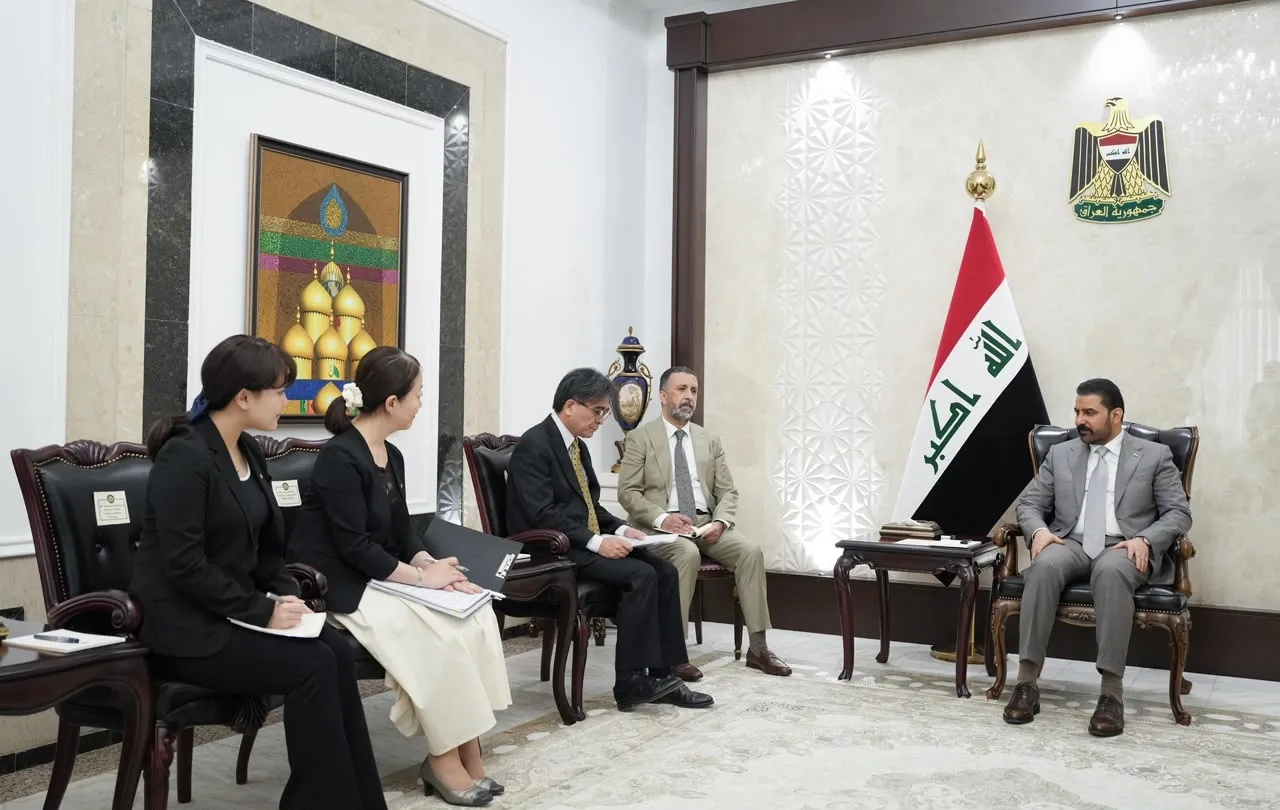
Prime Minister Ali Faleh Al-Zaidi announced on Monday that his government is developing a comprehensive national strategy focused on building a modern state with a robust economy, corruption-free departments, and strong constitutional security institutions. This announcement followed his reception of a delegation from the Parliamentary Finance Committee, including its head and members, alongside the Minister of Finance and the Governor of the Central Bank of Iraq. The discussions revolved around current financial and economic policies and enhancing coordination between the executive and legislative branches on priority national issues. Al-Zaidi underscored the crucial role of the Council of Representatives and the Finance Committee in supporting the government's reform agenda. He acknowledged the inherited "heavy legacy" of challenges, affirming a clear vision to address them. He also revealed the government's pioneering initiative to prepare a program and performance budget, intended as an economic roadmap for Iraq, linking government expenditure to specific objectives and outcomes to improve public fund efficiency. The Prime Minister highlighted that the electricity sector would receive exceptional attention. He urged parliamentarians to intensify their oversight efforts in combating corruption and eradicating its sources, emphasizing that there would be "no red lines" in prosecuting those involved. Reiterating the state-building strategy, Al-Zaidi stressed its pillars: establishing a new, thriving Iraqi economy, ensuring departments are free of corruption, and maintaining constitutional security institutions. He further noted significant interest from major international companies in investing in Iraq and the readiness of global financial institutions to offer economic support. He affirmed the government's commitment to fostering an appealing investment climate and stimulating various economic sectors. To enhance institutional coordination, the Prime Minister directed the creation of a schedule for regular meetings and engagements with parliamentary committees. In response, the head of the Parliamentary Finance Committee pledged full support for the government. Committee members, for their part, proposed several legislative measures to activate non-oil economic activities, bolster economic reform, and combat corruption. They also emphasized the importance of progressing with oil projects and cultivating an attractive investment environment to draw reputable international firms, thereby accelerating development, boosting industry, and generating employment opportunities.