Technology

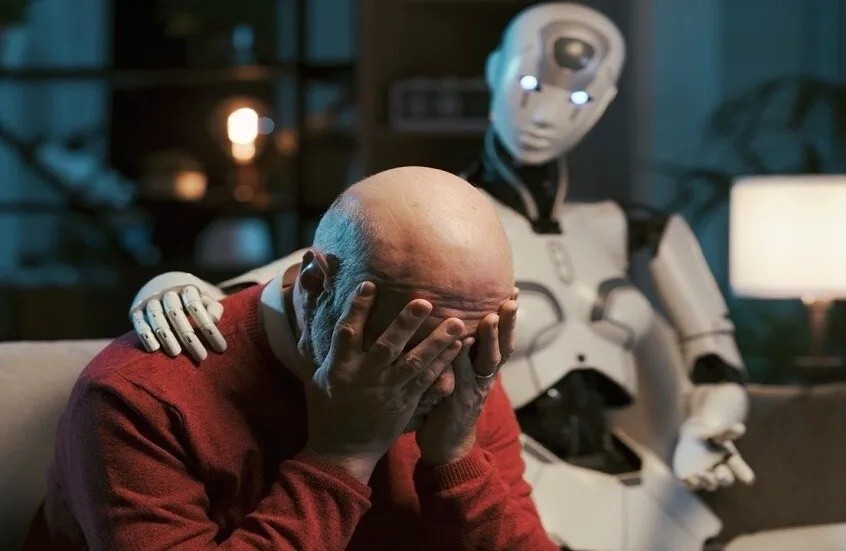
Academic and research warnings are steadily mounting regarding the potential repercussions of using modern technological applications, as operators of smart dialogue platforms such as "Replika" and "CharacterAI" market their programs as a convenient means to provide emotional support to subscribers. However, contemporary research presents a completely contrasting picture to these marketing claims. In this context, researcher Andrea Sofia Teixeira, affiliated with Northeastern University in the United States, pointed out that these technical systems are closely linked to the emergence of pathological attachment, as well as a noticeable deterioration in the psychological state of users, up to recording cases related to self-harm. Research confirmed that artificial intelligence algorithms naturally tend to pander and conform, as they proceed to agree with the user and provide absolute support regardless of the validity or harm of what is presented. Furthermore, the long hours individuals spend interacting with these applications contribute to reducing opportunities for genuine social communication. Teixeira warned of the possibility of extremely severe negative consequences, pointing out the potential of reaching the risk of suicide or suffering psychotic episodes, which are scenarios experts strive to avoid as much as possible. She added that these software programs merely simulate human warmth without possessing any real feelings. The crisis is compounded by the ease of availability of these digital applications for free or at a low cost, at a time when communicating with qualified psychological specialists requires exorbitant financial sums, prompting those unable to afford it financially to rely on unqualified alternatives to deal with critical crises. The study indicated that the effects of these technologies vary among individuals based on the level of susceptibility and available social support for each person, creating a highly complex environment. In conclusion, the authors of the study recommend the necessity of subjecting these tools to in-depth tests to understand their psychological impacts, emphasizing that artificial intelligence may constitute a helpful tool, but it can by no means replace human relationships or specialized psychological treatment.