Eco

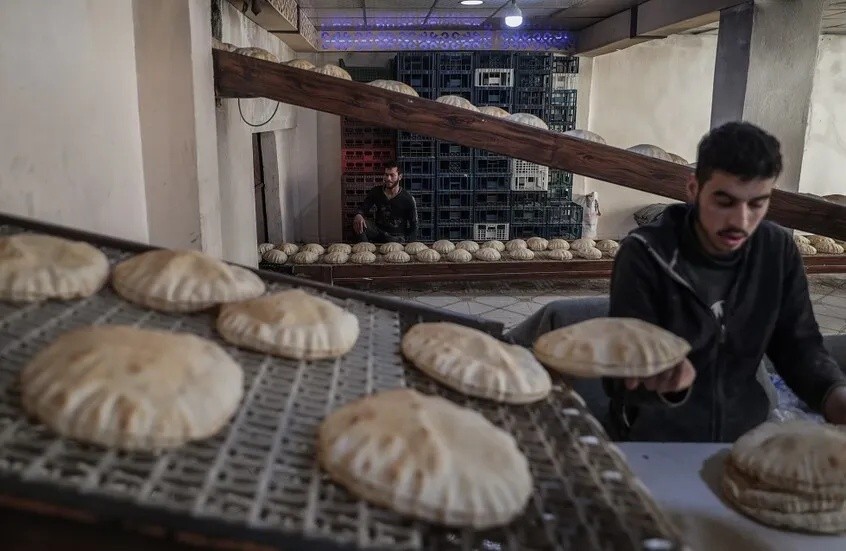
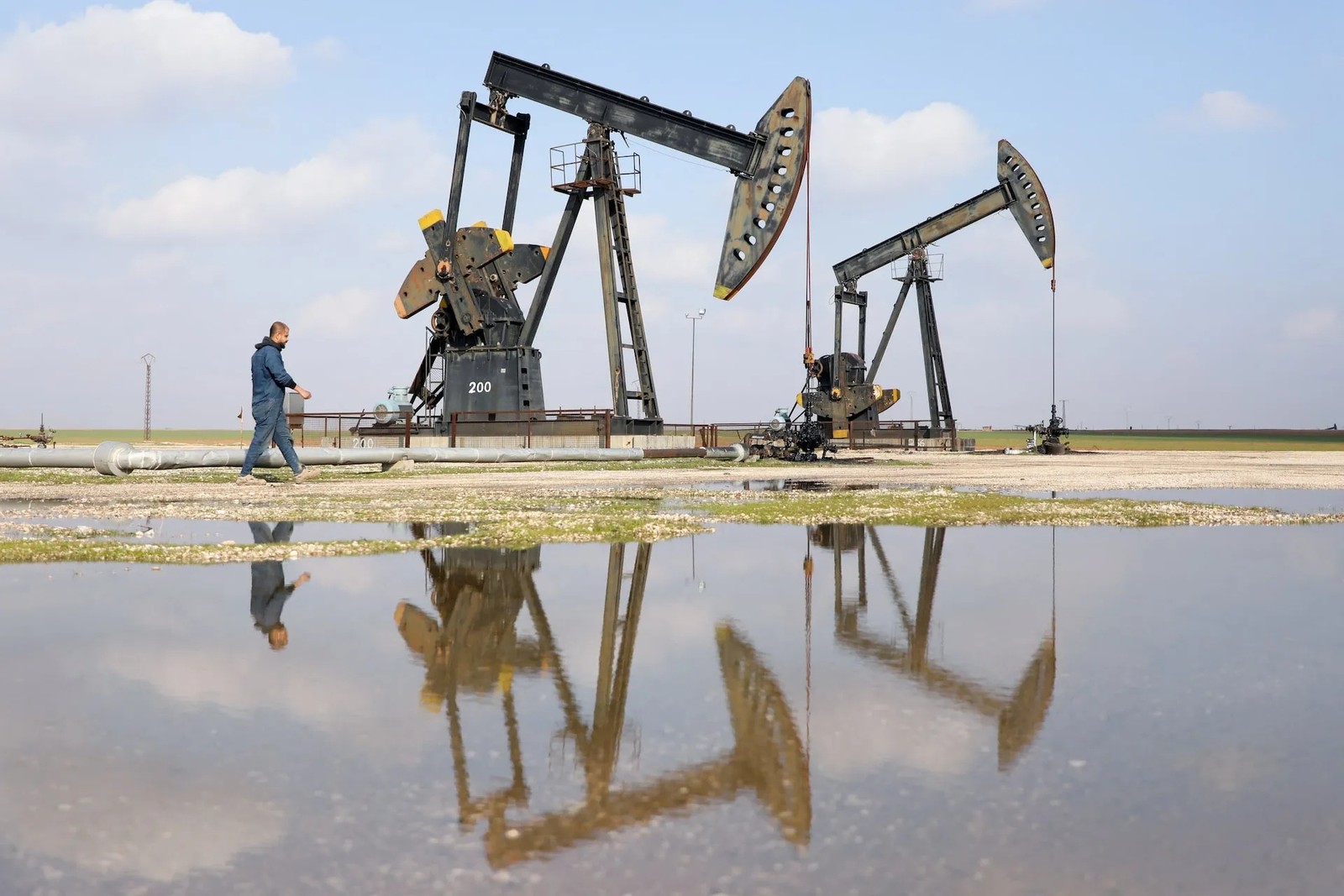
Widespread fears have emerged among Syrian citizens regarding the repercussions of the recent fuel price increase across the country on the prices of essential consumer goods, primarily bread. In this context, Syrian Deputy Minister of Economy, Maher Al-Hassan, definitively affirmed that there would be no change to the price or weight of a loaf of bread, despite the recent rise in petroleum product prices, which he attributed to the global increase in oil prices. Al-Hassan, in a statement yesterday, elaborated on the mechanism implemented to maintain the stability of bread prices, considering the link between bread production costs and the fuel required for flour transportation and bakery operations. He indicated that the ministry worked to absorb the increase in production costs by reducing the price of a ton of flour designated for bread from 20,000 Syrian Pounds to 15,000 Pounds per ton. This measure led to an increase in the bread subsidy rate from 60% to 70%, aiming to ensure the stability and availability of this essential commodity for all citizens. In an effort to reassure citizens who strongly protested the decision to raise fuel prices, Al-Hassan emphasized that consumer protection institutions are closely monitoring bread production and distribution operations across all governorates. He asserted that these institutions would not hesitate to take the strictest legal measures against any party attempting to manipulate the weight or price of a loaf of bread, or exploiting current circumstances to illegally raise its prices. Earlier, the Syrian Ministry of Energy had linked the rise in petroleum product prices in the country to an exceptional increase in the global cost of securing these derivatives, noting that this surge coincided with the periodic maintenance period for the Baniyas refinery. The Ministry had affirmed then that this price increase was temporary, aimed at ensuring the continuous flow of supplies and the availability of petroleum products in the local market. Following the announcement of the fuel price hikes, various parts of the country witnessed numerous protests. Angry demonstrators resorted to blocking main roads and setting tires on fire, vowing not to leave their protest sites unless the government rescinded the decision, which they believe directly impacts all economic sectors in Syria.