Technology

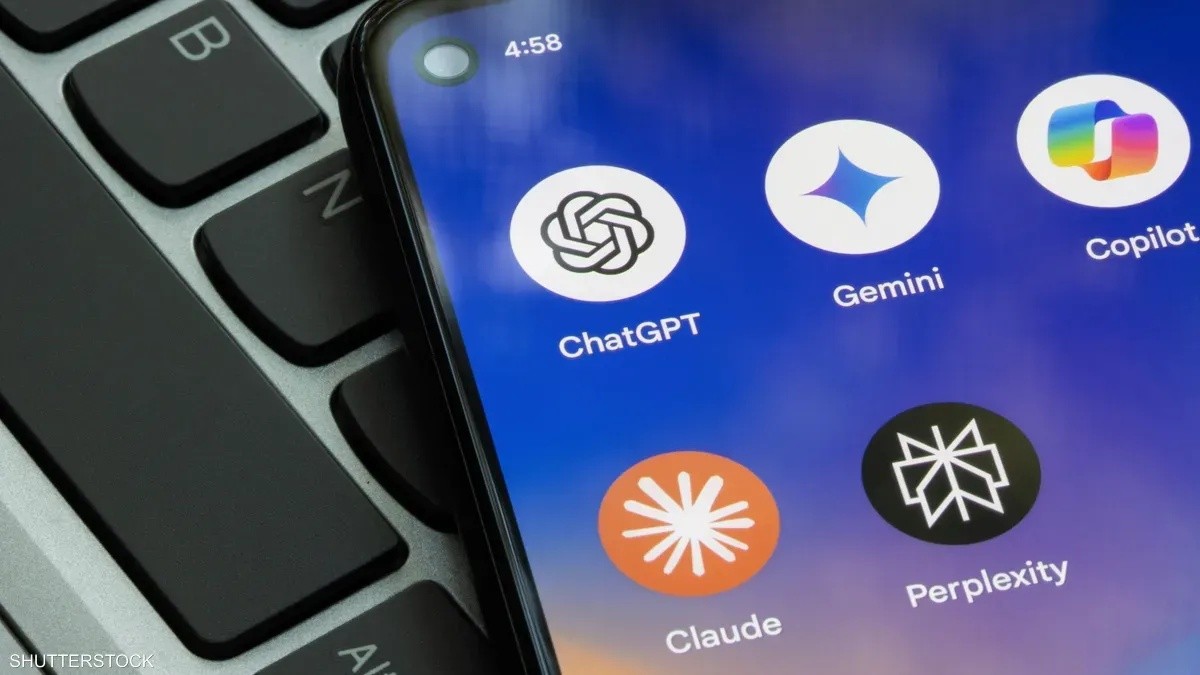
Microsoft is driving a transformative shift in the workplace, introducing a new generation of AI agents whose role extends beyond mere assistance. These agents will possess autonomous identities and self-executing powers, capable of performing continuous enterprise tasks independently, even when the user is absent, thus sketching the future of the "digital colleague." The company unveiled updates to its Copilot platform and the addition of the "Autopilot" agent, described as persistent, proactive, and personal, able to continue tasks in the background. The updated Copilot also allows full task delegation to "Cowork," which moves beyond text generation. It can perform multi-step tasks like searching enterprise resources, preparing documents, managing files, arranging meetings, and drafting emails, with user approval mandatory for sensitive actions. The "Code" tool further enables creating applications and dashboards via natural language commands. Crucially, these AI agents are no longer just chat interfaces. Microsoft is building "Agent Identities" within its Entra system, granting each agent an independent digital identity. This identity defines its role, what data it can access, and authorized actions. This parallels human employees with institutional identities, specific permissions, and security policies. Enterprise administrators can monitor agent activity, define or revoke permissions, and disable identity when necessary. This profound transformation raises new questions about accountability and governance. Who is responsible if an an agent sends incorrect information or oversteps permissions? Who defines its file access? And what are the repercussions of an unintended action? Microsoft is therefore intensely focused on identity and governance, alongside developing AI capabilities, to ensure safe and responsible deployment. The larger question, however, pertains to the future of human employees. After AI's initial role in assisting with writing and analysis, this new generation of agents is now moving to execute actual work. This shifts the traditional inquiry of whether AI will take human jobs to a more realistic one: "What part of our jobs will we still be responsible for doing?" While Microsoft has not declared the birth of a "legal employee," granting AI identity, permissions, and the ability to perform continuous tasks signifies that the lines between "tool" and "colleague" are progressively blurring.