Global

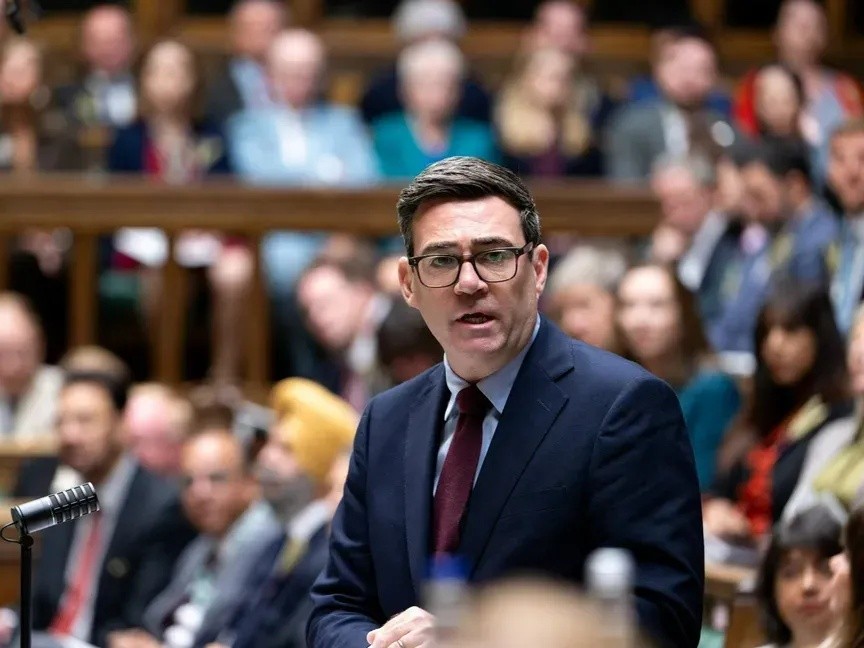
British Prime Minister Andy Burnham aims to forge a new, expanded agreement with the European Union to boost economic growth post-Brexit. However, EU officials doubt the feasibility of such a large deal during the upcoming November summit, attributing this to London's adherence to "red lines" regarding its relationship with the bloc. Burnham's ambitions, a desire for a deal adding "percentage points to growth," build upon former PM Keir Starmer's government's ideas to gradually integrate Britain into the single market sector by sector. The summit was anticipated as a conclusion to negotiations and a starting point for broader relationship reshaping. EU skepticism stems from London's commitment to red lines, outlined in the Starmer government's program, particularly regarding the customs union, free movement of people, and comprehensive single market return. An EU official noted these positions are "incompatible" with a major economic agreement, suggesting it might be "for another time, perhaps the 2027 summit." Instead of major agreements, the summit will likely focus on completing three existing files from the May 2025 summit: agricultural and food products, carbon markets, and youth visas. Negotiations on Britain's internal electricity market participation will continue but not conclude by the summit. Estimates from a European reform center indicate current agreements might increase GDP by 0.3% to 0.7% over 10 years, falling short of Burnham's ambitions. These estimates gain importance given a Bank of England report that Brexit cost the British economy about 6% of GDP during the same period. The summit might also announce greater defense cooperation and an "economic security" file. However, this file primarily addresses ongoing disputes (such as EU product preference, new steel tariffs, EV manufacturing risks) rather than removing fundamental Brexit obstacles. Previously, Brussels rejected a UK proposal for single market goods participation without free movement of people. The EU strongly objects to allowing selective single market access, believing it weakens rules and grants non-member states special treatment. An EU official commented that a "radical shift in British thinking" is necessary before any major deal, and the new government needs time to define the relationship's nature. Despite these reservations, Hamish Falconer, the UK's Minister for new relations with the EU, expresses optimism for progress. Falconer stated there is "room for ambition" within government red lines, reaffirming his desire for a "deeper and more ambitious relationship." London is working to build an "ambitious and close relationship" to boost the economy and unlock growth, a government spokesperson stated. The European Commission affirmed the EU and Britain are "close partners and allies," with current geopolitics necessitating shared cooperation for security, economy, and citizens. Amidst the ongoing divergence between London's ambitions and its red line constraints, the upcoming summit appears more likely to solidify existing limited cooperation steps rather than serve as a pivotal moment to reshape the British-European relationship in the post-Brexit era.