policy

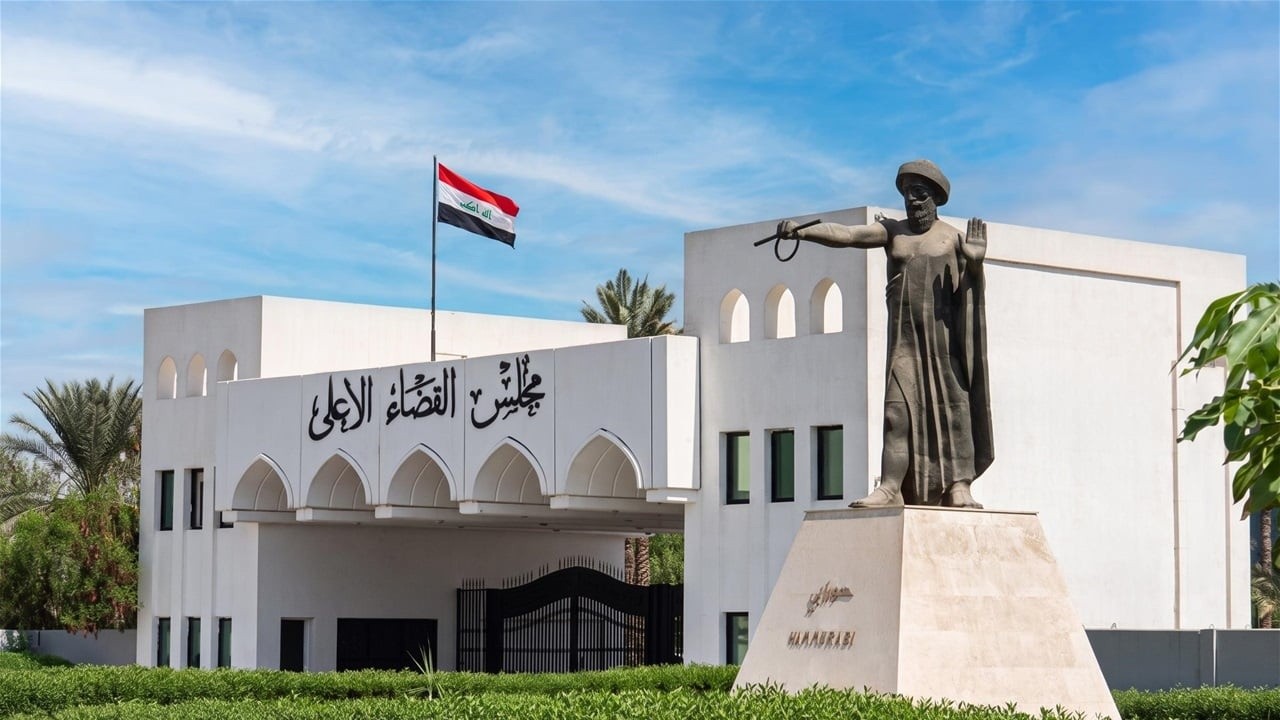
The United Nations Office on Drugs and Crime issued a report as part of the review of Iraq's implementation of chapters two and five of the UN Convention against Corruption, outlining key features of the Iraqi judicial system and its legal and institutional framework. The report emphasized the independence of the judiciary and examined the mechanisms for selecting and qualifying judges, as well as the institutional role of the Supreme Judicial Council in managing judicial affairs and enhancing international legal cooperation. It covered seven main areas, including the judiciary's independence in financial and administrative matters from other state institutions, and the legislative framework governing judicial work, such as the Judicial Organization Law, the Public Prosecution Law, and the Judicial Oversight Authority Law. The report also detailed the criteria for selecting judges, which include written and oral exams, medical tests, and a two-year study and training program before appointing successful candidates according to legal procedures. Furthermore, it highlighted the Supreme Judicial Council's institutional role in promotions, transfers, and evaluations, the independence of the Public Prosecution and its jurisdictional organization, affirming its connection to the council. The report underscored the judiciary's role in international legal cooperation to pursue corruption crimes and take necessary legal measures to recover assets, focusing on developing legislative frameworks for international cooperation, implementing foreign confiscation orders, and expanding mutual legal assistance to enhance the effectiveness of judicial procedures in cross-border cases.