Security

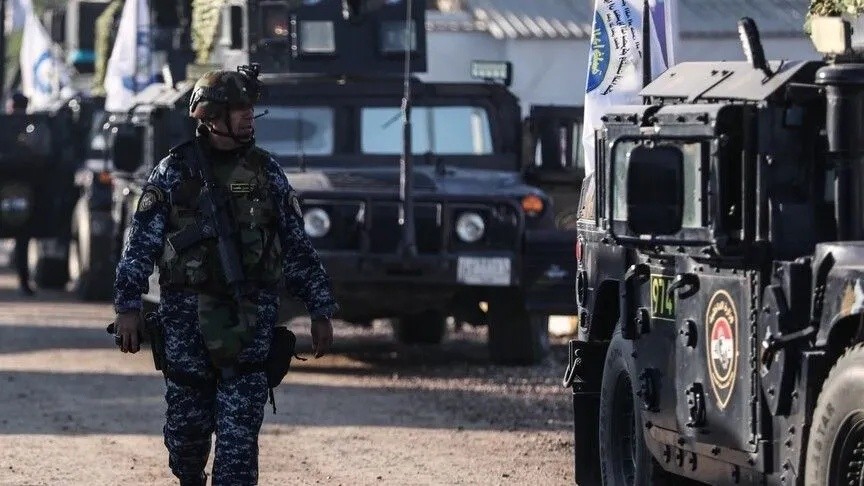
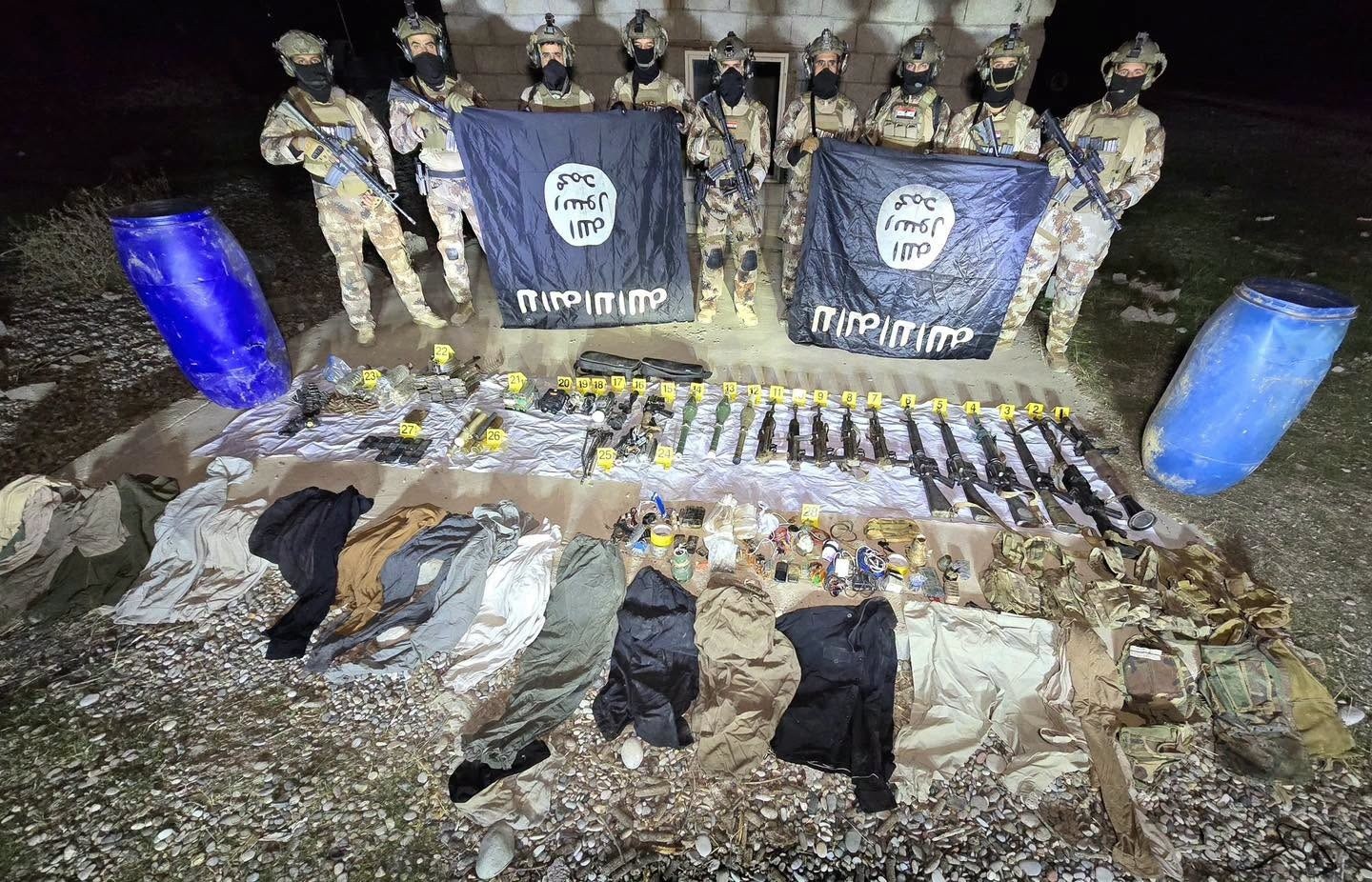
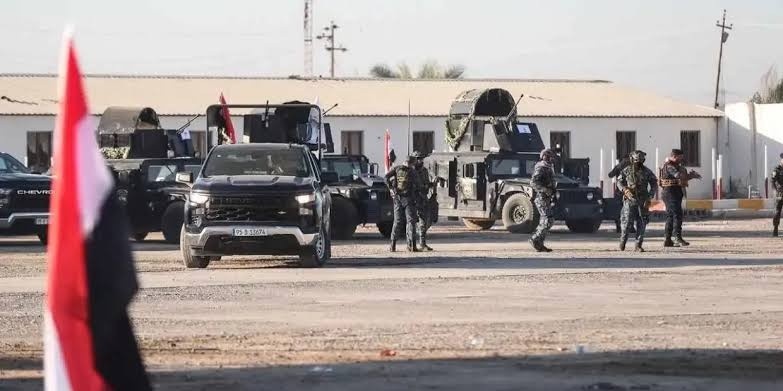
The spokesperson for the Commander-in-Chief of the Armed Forces, Sabah Al-Numan, announced today that all security formations in the Jurf Al-Nasr area are under unified leadership and control, emphasizing that recent events will accelerate efforts to inventory and regulate weapons. Al-Numan explained that the Prime Minister and Commander-in-Chief, Ali Faleh Al-Zaydi, is keen on maintaining unified security and strategic decisions, noting that the recent developments in Jurf Al-Nasr were carried out under orders from the Commander-in-Chief to replace existing units with others. He pointed out that these recent events serve as practical evidence that security decisions are unified, and that the Iraqi Armed Forces follow the Commander-in-Chief's orders, with no authority affecting the unity of this decision or the tendencies of the security forces. He affirmed that part of the current government's determination is to inventory and organize weapons, and that what happened in Jurf Al-Nasr will help expedite the timeline for implementing this plan, highlighting that all weapons are under the Commander-in-Chief's authority and are used only according to assigned orders and duties. He indicated that the controlling headquarters, according to orders, includes four different security formations: the army, federal police, Popular Mobilization Forces, and Energy Police, with the headquarters leadership granted the necessary powers for command, control, and issuing executive orders to these formations, which report directly to it in executing orders. He added that the operation proceeded with high organization and smoothness, with a plan issued to replace existing units with new ones, alongside coordination and operational meetings with the leaders of the concerned formations, resulting in orders executed on the ground. Joint security units began redeployment in Jurf Al-Nasr last Friday as part of security measures aimed at reorganizing responsibilities among military and security units and enhancing stability in the area. The measures included assigning the protection of oil pipeline bundles to the Energy Police and preparing roads linking Jurf Al-Nasr to neighboring provinces to open them for citizens and vehicles. These steps are part of a government plan to complete security requirements in preparation for transitioning to phases of rehabilitating services, creating suitable conditions for residents' return, reviving industrial facilities, and implementing service and strategic projects in the area.