Global

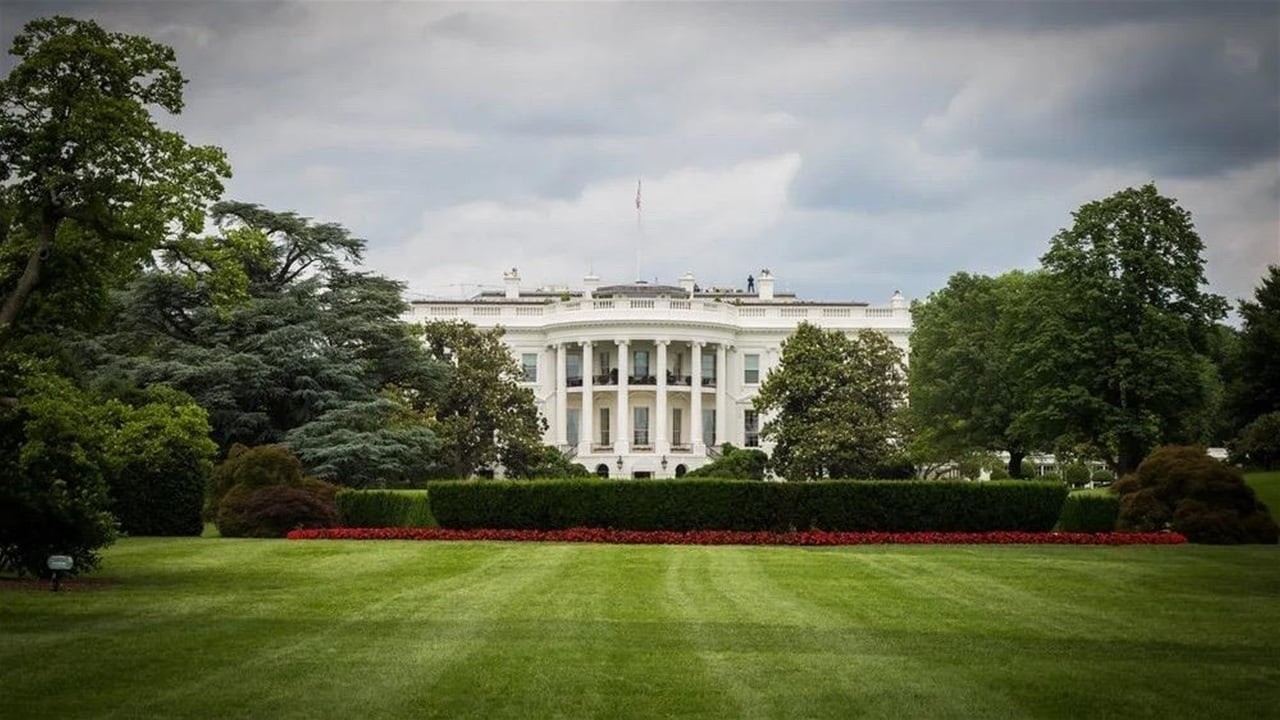
Democratic members of the U.S. Congress are preparing to launch extensive investigations into the major oil agreement made last August between the Trump administration and North American Blue Energy Partners, owned by businessman Alejandro Betancourt. The inquiry aims to uncover the details of the concessions granted and the mechanisms for managing the financial revenues from the deal. Committees in both the House and Senate are expected to request official documents and testimonies regarding the terms of the agreement, coinciding with Democrats gaining majority control in both chambers starting next January. According to the deal's details, the company is granted rights to exploit 17 oil fields in Venezuela for 100 years, covering strategic areas such as Lake Maracaibo and the Orinoco Belt, which hold proven reserves estimated by the U.S. administration at around 65 billion barrels. The company plans to invest up to $100 billion in infrastructure development and production increase. Under the agreement, the United States receives a 35% stake in the company, along with the right to purchase 20% of the fields' output at cost price, seen as a method to replenish the strategic petroleum reserve and ease domestic gasoline price pressures. Meanwhile, Democratic lawmakers demand explanations for the selection of this particular company, what Washington contributed in exchange for its share, and the oversight mechanisms on production revenues, criticizing the administration's secrecy and the non-disclosure of the full agreement text. Lawmakers are also examining the legal grounds allowing the U.S. Department of Defense, through the Strategic Capital Office, to hold a stake in an oil company. The anticipated oversight also covers a financial account managed by the United States from which funds are transferred to Venezuela. A U.S. State Department report published on November 12 noted that $12.1 billion was transferred to Caracas from this account between January and September of this year. The White House defended the deal, stating it provides mutual benefits for the U.S. and Venezuela and enhances energy security. The company affirmed that the U.S. government acquired its share without any cost to taxpayers or government funding, with oversight ensured through a board of directors requiring a majority of American citizens. In assessing the implications of this move, research firm Rystad Energy estimated that congressional scrutiny could delay promising oil projects beyond 2040, which had the potential to add about 500,000 barrels per day to Venezuelan production, despite expectations of continued production recovery in the near term.