Global

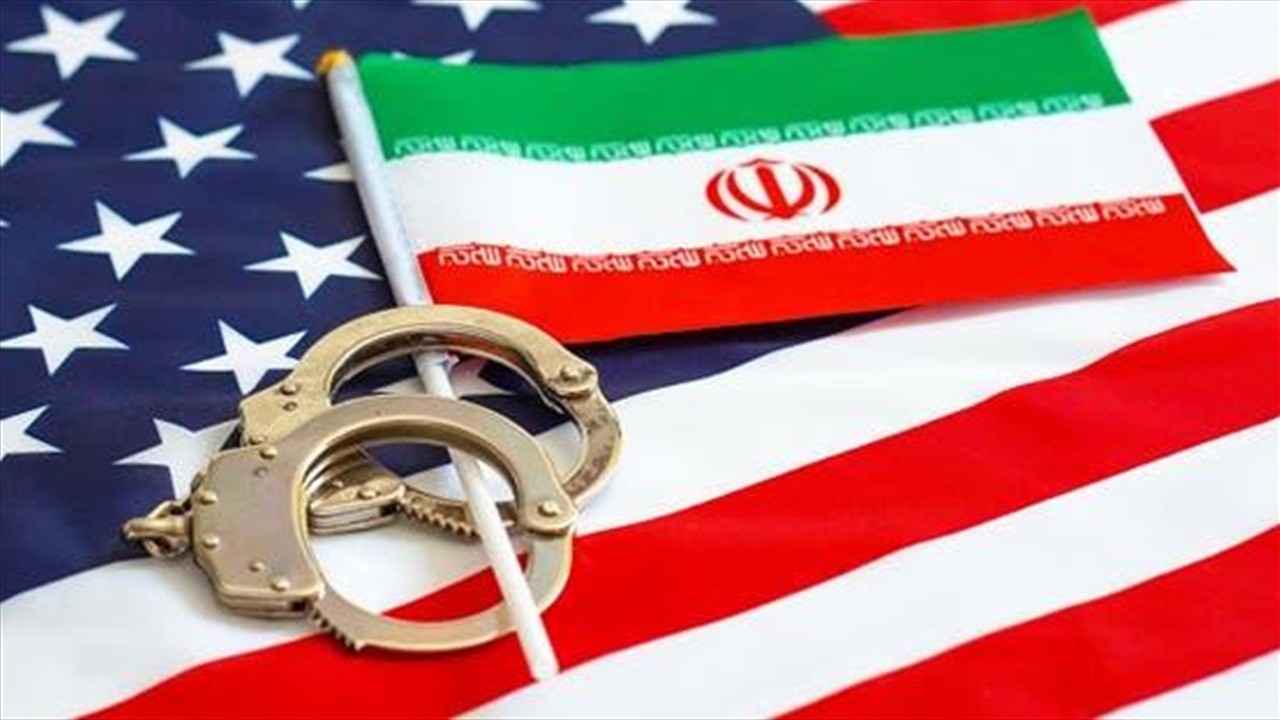
The U.S. Department of the Treasury announced a new set of sanctions targeting dozens of individuals and entities linked to Iran's financial system, as part of ongoing efforts to disrupt its informal banking networks and sever its ties with the global economy. The sanctions target approximately 24 currency exchange companies and front companies, along with key figures, with centers identified in the UAE, Turkey, and Hong Kong, accused of facilitating Iranian foreign trade and circumventing U.S. restrictions. In a related development, the U.S. Financial Crimes Enforcement Network (FinCEN) reported monitoring financial activities worth $14.7 billion between January 2025 and August 2026, potentially connected to Iran's informal banking system, based on data provided by U.S. financial institutions. Treasury Secretary Scott Bessent stated that the Iranian economy is in deep crisis, describing the informal banking system as the last financial lifeline for the bankrupt regime, and vowed to continue dismantling these networks to eliminate their funding sources. The Treasury explained that Iran's central bank oversees this system, which relies on dozens of exchange offices inside Iran and bank-affiliated "Rahbar" companies to manage financial networks for Iranian clients through front companies abroad. It noted that billions of dollars flow through these channels to support the remnants of Tehran's foreign trade. The sanctions also targeted the Iranian Currency and Gold Exchange Center, which coordinates foreign currency flows between exporters and importers and facilitates transactions in Russian rubles and Chinese yuan without relying on the dollar. FinCEN's analysis showed a decline in potential informal banking activities during the review period, possibly indicating a partial disruption of Iran's ability to operate these channels. However, the report confirmed the continued interconnection of networks, especially through the UAE, Hong Kong, and Singapore, via companies active in oil, shipping, and investment sectors. The report identified transfers of about $2.6 billion from mainland Chinese banks to banks in the UAE as the main observed financial flow routes. Earlier, the U.S. had imposed sanctions on November 20 targeting individuals accused of managing Iranian oil revenues abroad. Earlier on Monday, the Iranian Foreign Ministry spokesperson announced that Tehran is considering measures to counter maritime blockades and U.S. sanctions, without directly responding to the new sanctions package.