policy

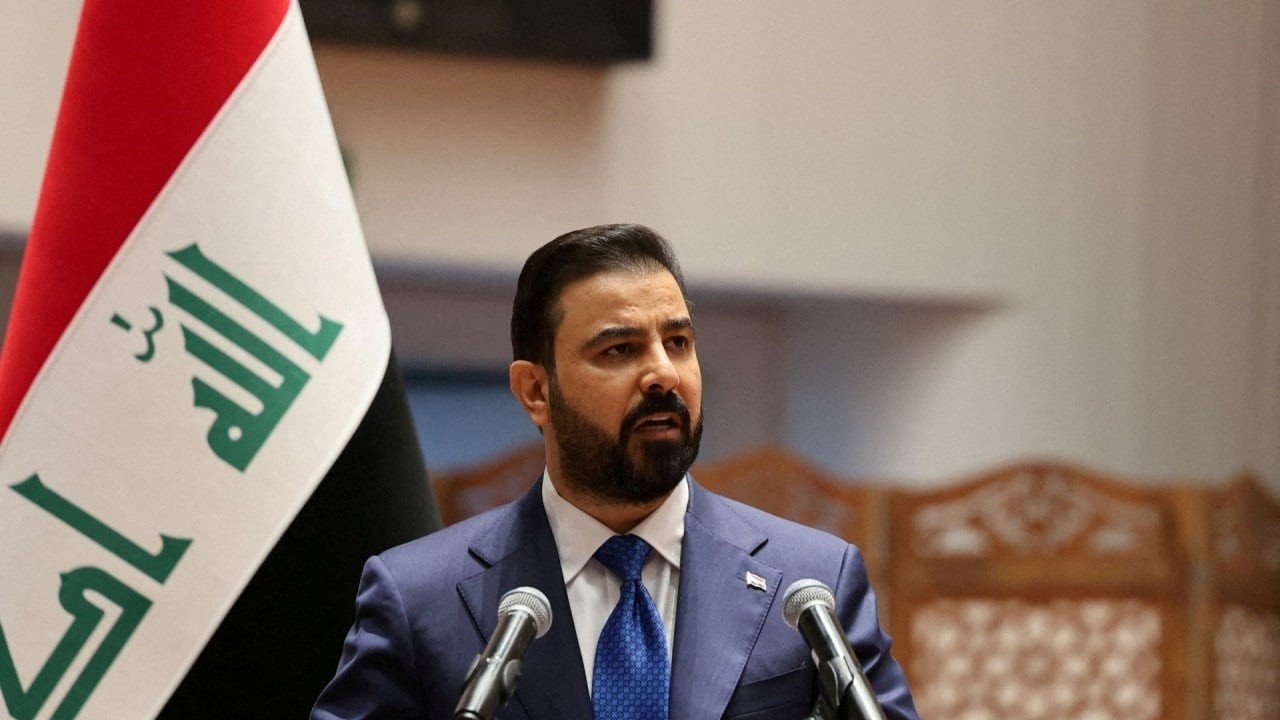
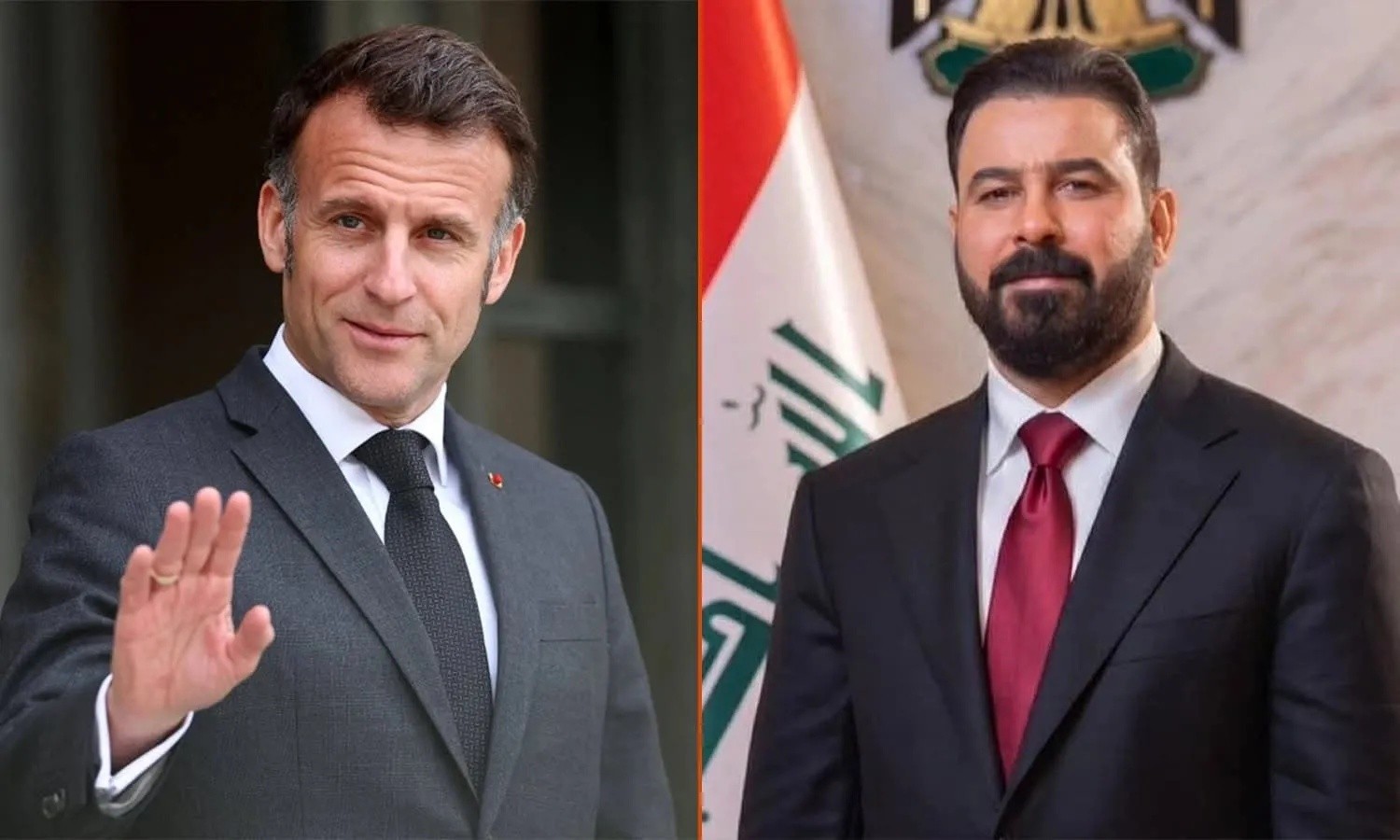
The upcoming visit of Prime Minister Ali Falih Al-Zaidi to France and Germany is drawing significant attention, as it is poised to deliver a strategic investment message from Iraq. This diplomatic initiative comes at a crucial economic juncture and aligns seamlessly with global shifts highlighted by the G7 Summit in Evian, France, on June 16, 2026. The summit emphasized principles of long-term investment partnerships, fostering joint investments, mobilizing private capital, leveraging guarantees and blended finance, and sharing risks to fund strategically vital projects. In this context, Mazhar Mohammad Saleh, Financial Advisor to the Prime Minister, affirmed that this visit underscores Iraq's ambition to forge genuine and sustainable investment partnerships with European nations, rather than merely seeking traditional funding. Saleh elaborated that Iraq possesses fundamental strengths, including abundant natural resources, a strategic geographical location, a substantial market size, and comprehensive plans for major developmental projects. Conversely, European companies and institutions offer considerable capital, advanced technology, accumulated expertise, and robust access to global markets. Saleh emphasized that the core objective is to integrate these complementary advantages into joint projects that guarantee substantial returns for European investors while simultaneously generating real and sustainable economic value for the Iraqi economy. He noted that a paramount priority is to move beyond the stage of memorandums of understanding to actual, implementable projects on the ground. This necessitates selecting a specific set of vital strategic projects, identifying potential investors and partners, clarifying required funding volumes and available guarantees, establishing clear mechanisms for risk-sharing, and defining precise timelines for financial closure and the commencement of execution. Among the prominent projects to be presented to the European side is the "Development Road Project," envisioned as an integrated strategic economic corridor. This project transcends mere railway lines and transport routes; it encompasses the Grand Faw Port, surrounding industrial and logistical zones, and associated energy, telecommunications, and service initiatives. Saleh reiterated that this pivotal project represents a model platform for joint Iraqi-European investment, offering an exceptional opportunity to strengthen economic ties. Bilateral discussions are expected to focus on critical sectors such as energy, industry, petrochemicals, infrastructure, transport, and telecommunications. Special emphasis will be placed on projects capable of transferring modern technology, creating new employment opportunities, and building integrated local value chains within Iraq. This approach aligns with the new principles adopted by the G7 since its 2025 conference, advocating for moving beyond traditional contracting agreements or solely exporting raw materials. The Financial Advisor highlighted the importance of varying priorities between the two European capitals. With France, greater focus can be placed on energy, transport, infrastructure, water, and technology projects. With Germany, priority can be given to sectors such as industry, energy, railways, equipment, industrial technology, training programs, and specialized knowledge transfer. The ultimate goal of the visit is to reach an agreement on a unique joint investment mechanism that brings together Iraqi capital, European and international financial institutions, major European companies, and the Iraqi private sector. This mechanism is designed to utilize guarantees and blended finance tools to mitigate risks and attract larger, more sustainable investments. Saleh stressed that the success of the visit should not be measured solely by the number of signed agreements or memorandums of understanding. Instead, it should be gauged by the quantity of projects that successfully advance to the final study phase, achieve financial closure, and subsequently commence actual implementation. Iraq stands at a historic juncture, poised to redefine the foundations of its economic relationship with the European continent on new and clear principles: genuine partnership rather than mere assistance, comprehensive investment not limited to funding, domestic production instead of reliance on imports, and the creation of integrated value chains within the country rather than simply exploiting its resources. Saleh concluded his statement by asserting that the clearest message conveyed by this pivotal visit is that Iraq is not asking Europe to finance its future, but rather extends a warm invitation for Europe to invest alongside it in building Iraq's promising future.