Eco

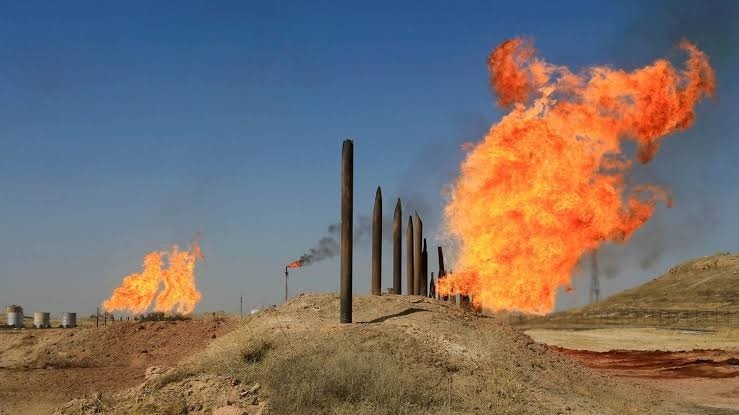
In a move aimed at bolstering the national economic infrastructure and developing the strategic energy sector, official concerned authorities have revealed integrated action plans designed to raise crude production capacity in the northern provinces. These directives, aimed at elevating export rates and optimally investing in natural resources, include intensive operational programs implemented by specialized teams around the clock to achieve desired goals and support sustainable development paths across the country. Within this context, Oil Minister Hayan Abdul Ghani announced, during statements made on Thursday, a studied plan to reach a production level of (450) thousand barrels per day in the Kirkuk fields. This coincided with the actual transfer of operations on Thursday from the North Oil Company and North Gas Company to the Joint Operating Authority for the four Kirkuk fields, namely Kirkuk, Bai Hassan, Khabbaz, and Jambur, according to a statement issued by the ministry in this regard. Abdul Ghani emphasized that this contract is of utmost importance, stating that it is planned to reach high levels in oil production and invest (500) million standard cubic feet of gas per day, explaining that this project requires tireless work around the clock to achieve the desired goals that serve the national economy. He added that BP is an active strategic partner in oil and gas investment, and that working with it in a team spirit positively reflects on the work in the project, alongside facing challenges and potential obstacles. The Minister clarified that the ministry will provide the necessary support to BP in this project to achieve the desired goals, through diligent work by the North Oil and Gas companies and continuous follow-up by the ministry's undersecretaries for extraction and gas affairs. He pointed out that the project is an integrated one for oil and gas investment, indicating that the next phase will witness the training of ministry personnel and the transfer of expertise and modern technology, alongside the project including the provision of community services to build the service facilities needed by local residents in areas adjacent to production sites.