Eco

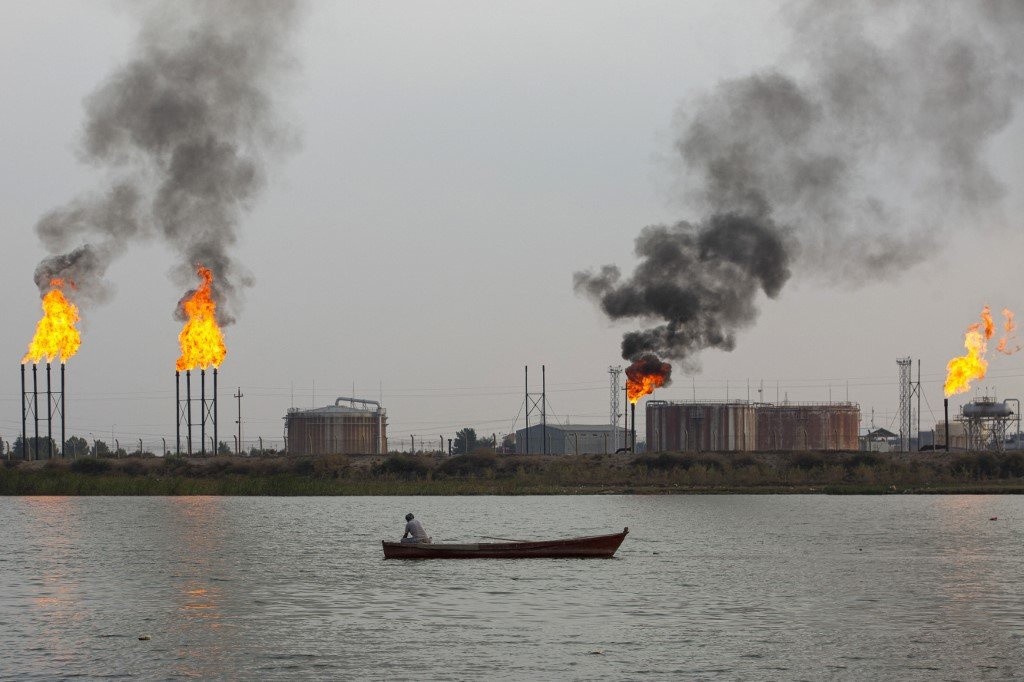
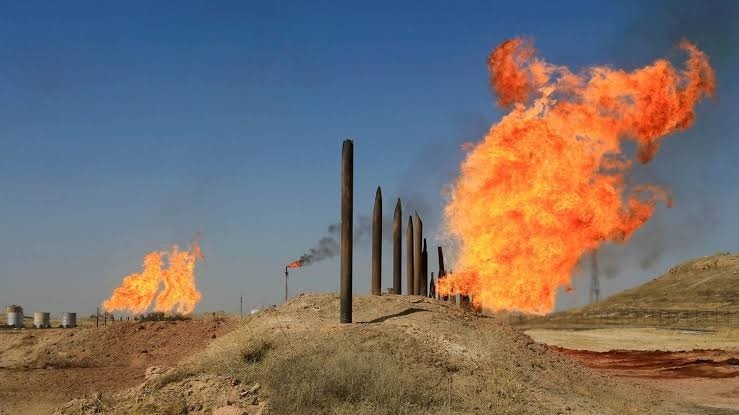
Amidst the rapid developments witnessed across the region, global economic concerns have escalated regarding the expansion of tensions and their direct impacts on international trade and financial market stability, as the continuation of current crises poses a severe challenge to the sustainability of regional and international economic growth. In this context, high-ليvel official statements emerged from the director of the Middle East and Central Asia department at a major global monetary institution, who warned during the annual meetings held in Bangkok that prolonging the military conflict represents a grave danger to the economic structure of the region's countries, especially with disruptions focusing on the energy sector and vital shipping routes. This imposes a concerning reality and asymmetric shocks that place the most affected nations under immense financial and regulatory pressures requiring urgent action and rapid containment of potential repercussions in the short and long terms. The financial official explained that future forecasts are closely linked to the speed with which the energy sector and international trade restore their normal levels, and the ability of concerned governments to protect macroeconomic indicators from erosion. He pointed out that the presence of a surplus in oil supplies prior to the crisis, in addition to relying on alternative transit routes, modifying consumption patterns, and drawing from available reserves, has relatively contributed to absorbing the shock of recent attacks and subsequent field developments and closures of strategic waterways. Nevertheless, the report warned of the limited nature of these reserve stocks and the decline of surplus production capacities, affirming that renewed disruptions could drive sharp price jumps that are difficult to control. The economic forecasts issued by the institution included a clear contraction in the gross domestic product of the Middle East, North Africa, and Pakistan region during the upcoming period, followed by a gradual and uneven recovery path between crude exporters and importers, where producing nations witness a temporary decline followed by recovery with the return of supplies, while importing countries have demonstrated notable resilience in absorbing shocks. In other regions such as the Caucasus and Central Asia, indicators appear more stable with the continued easing of inflation and a gradual, controlled slowdown in growth rates. The economic guidelines concluded by calling for the utmost priority to be given to price stability, rebuilding financial and monetary reserves, and enhancing the resilience of national economies to face future crises with greater effectiveness.