Arts

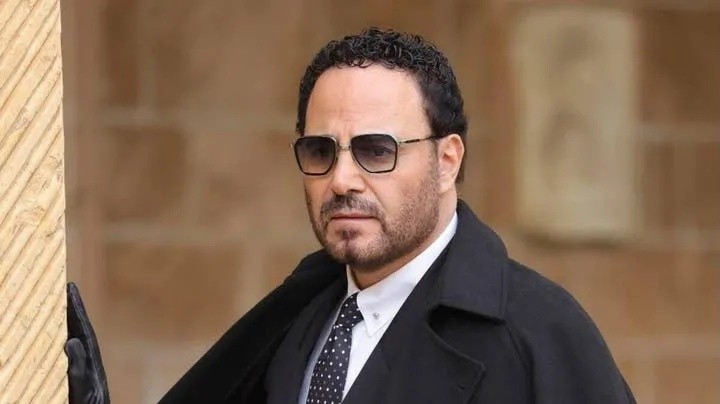
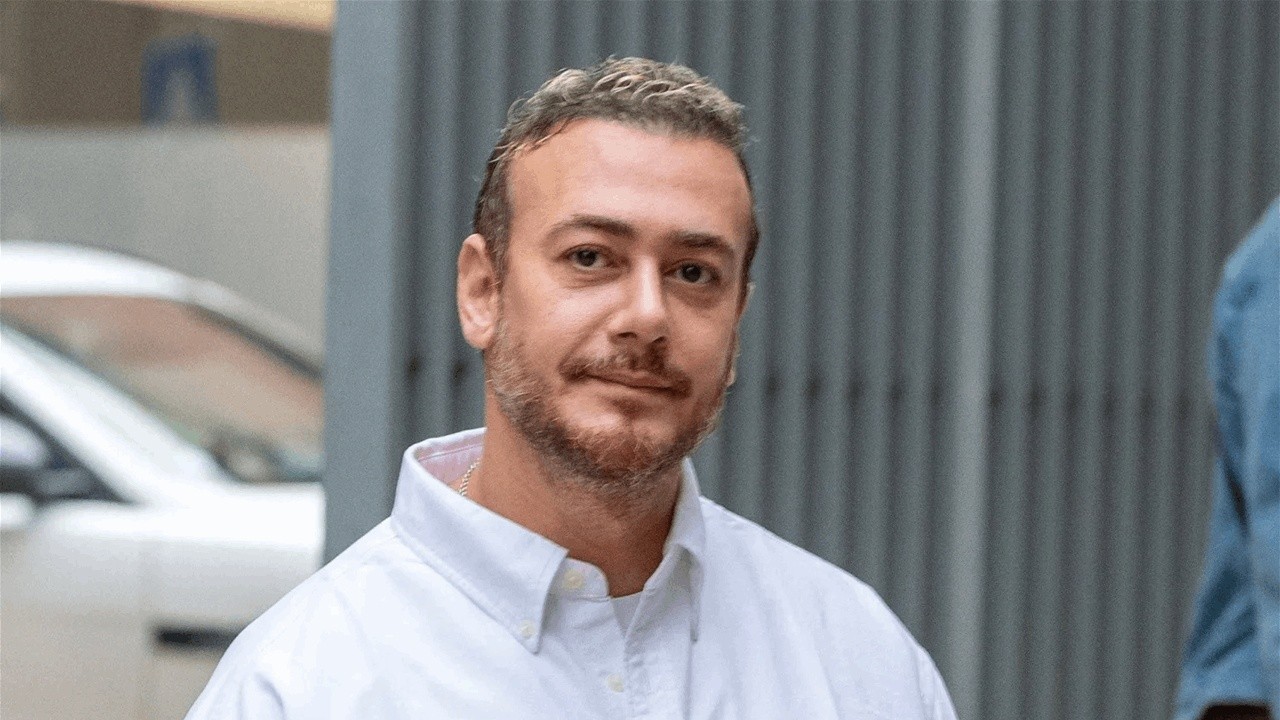
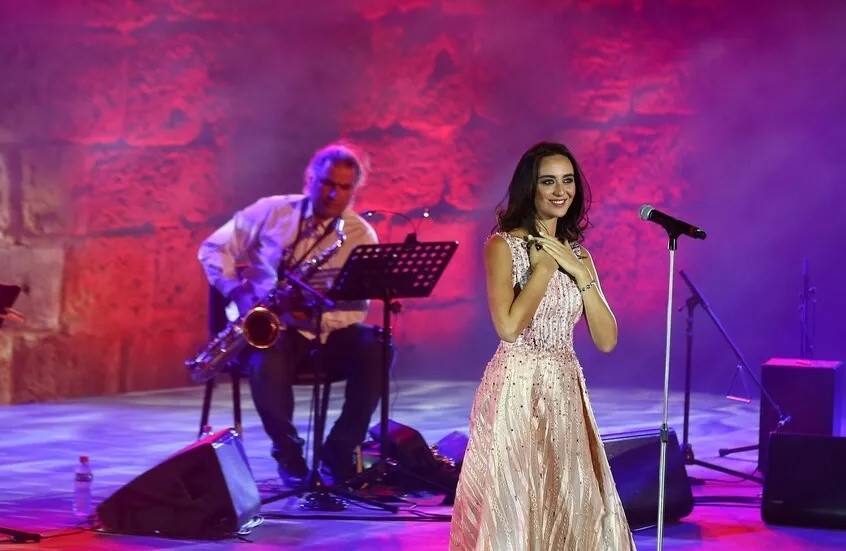
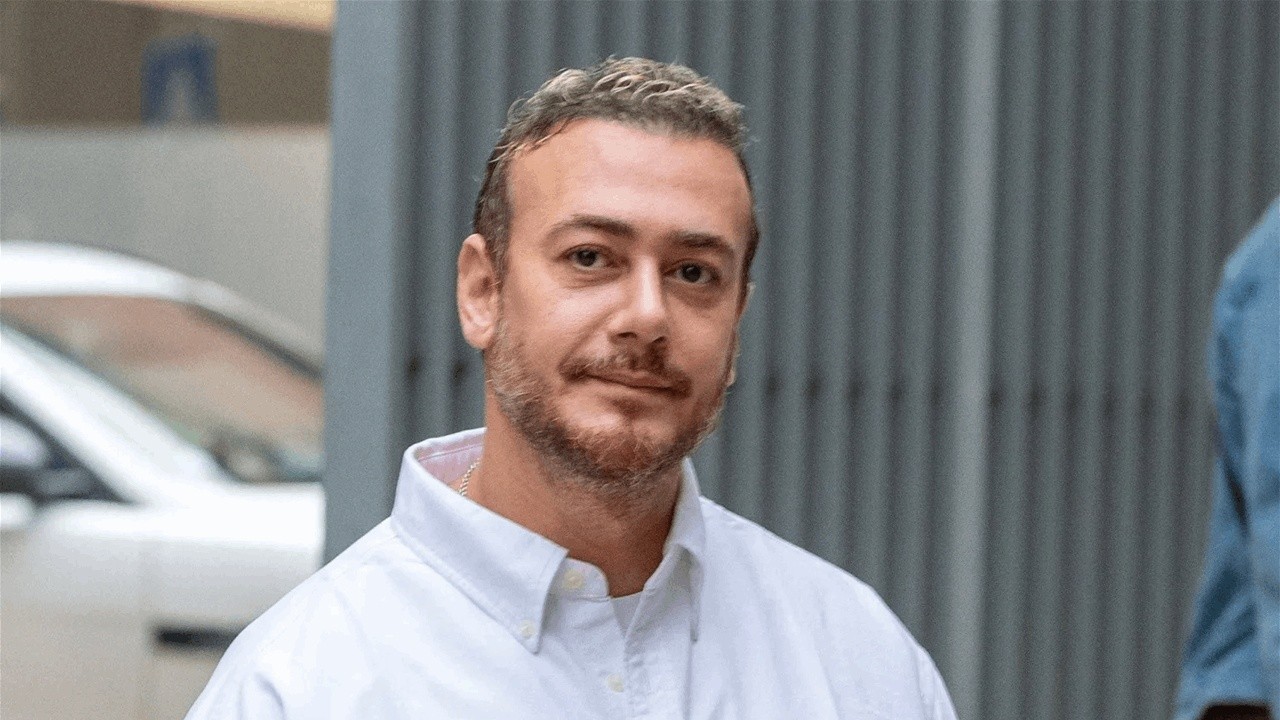
The administrative and artistic crisis surrounding the thirty-fourth edition of the Arab Music Festival in Egypt continues to escalate, marked by a widening wave of withdrawals among prominent Arab and Egyptian musicians. Lebanese artist Assi El Hallani officially announced his decision not to participate in the festival scheduled for this October, joining a growing roster of iconic performers who have boycotted the event following recent administrative disputes within the Egyptian Opera House. According to an official statement issued by El Hallani's media office, the Lebanese singer chose to withdraw to avoid becoming entangled in controversies and circumstances linked to recent management developments at the Opera House, while emphasizing his utmost respect and appreciation for the institution and the Egyptian public. Notably, El Hallani had previously declared his intention to donate his entire performance fee, demonstrating his initial eagerness to take part in the prestigious cultural gathering, which confirms that his withdrawal was not motivated by financial disputes. The turmoil within the festival began following a press conference held by the head of the Egyptian Opera House, Reda El-Wakil, regarding the details and preparations of the upcoming musical event. Several artists criticized El-Wakil’s remarks during the conference, describing them as inappropriate and damaging to the dignity of Egyptian art. This sparked an immediate series of boycotts, spearheaded by prominent singers Mohammed Tharwat and Ali El-Haggar, soon followed by multiple celebrated vocalists, including Mai Farouk, Mohammed Mohsen, Ahmed Saad, and others. Explaining his decision in an official statement, Mohammed Tharwat affirmed that his artistic journey has never been driven by monetary considerations, revealing that he had already agreed to waive more than 75 percent of his entitled concert fee. Tharwat strongly criticized the handling of compensation discussions during the press briefing, asserting that artists deserve profound respect regardless of whether they accept fees or donate them. He emphasized that reducing talent to financial figures and portraying a historic cultural establishment as financially incapacitated undermines the standing of Egyptian and Arab artists, insisting that his withdrawal stems purely from professional ethics against trivializing musical missions into budget debates. Simultaneously, veteran artist Ali El-Haggar announced via Facebook his decision to abstain from the Arab Music Festival for the first time since its founding. El-Haggar stated that the primary reason was the allocation of an inadequate and demeaning financial budget for his accompanying orchestra members, a reality he refused to accept and which was omitted from the press conference. El-Haggar also dismissed remarks regarding his performances during the current administration, highlighting that he has regularly performed on Opera stages, the Citadel, and Alexandria for over three decades prior to El-Wakil’s appointment. The mounting disputes ultimately prompted the head of the Egyptian Opera House, Reda El-Wakil, to tender his resignation from his post through a post on Facebook, offering his apologies and stating his unwillingness to accommodate older practices he had attempted to reform during his leadership.