Eco

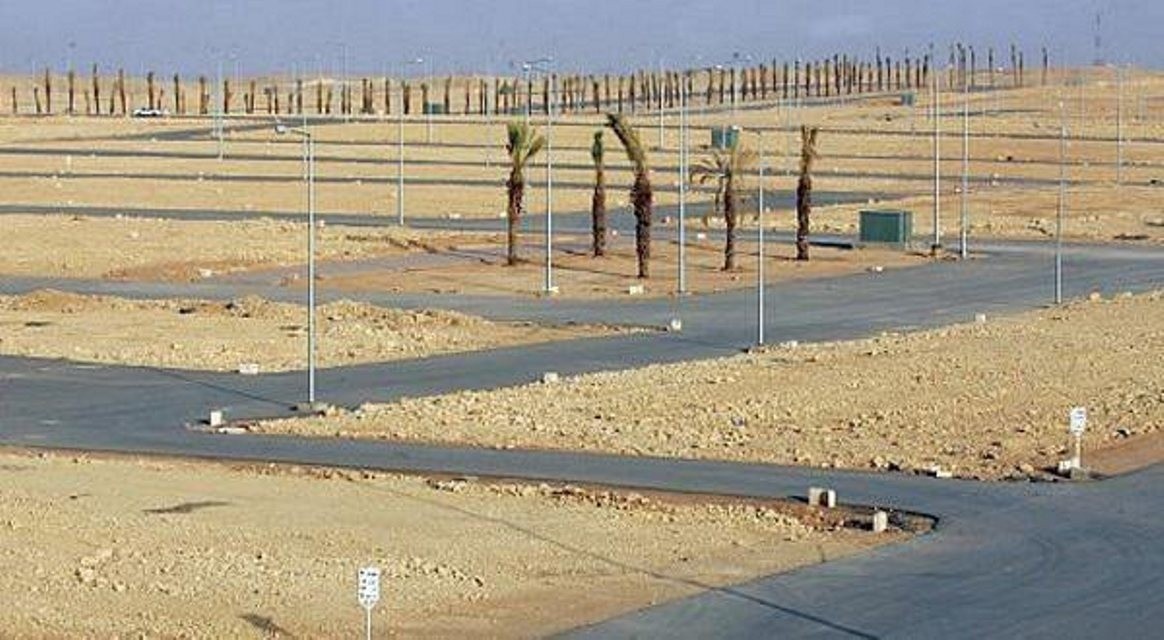
The launch of the Prime Minister's initiative regarding the distribution of serviced residential land plots comes within diligent governmental efforts to address the accumulated housing crisis and provide a suitable environment for citizens. The Ministry of Construction, Housing, Municipalities, and Public Works announced the estimated quotas allocated to various cities and governorates. These divisions rely exclusively on precise objective criteria including population density and poverty levels in each region, based on the latest official data issued by the competent authorities in the Ministry of Planning to ensure the achievement of justice and meet the actual needs of eligible beneficiaries. In the context of reviewing the geographical distribution of these quotas, the official spokesperson for the ministry, engineer Istabraq Sabah, explained that the technical and engineering committees concerned with implementing the project distributed the lands among fifteen governorates according to a studied mechanism. The capital, Baghdad, topped the list with a share of 192,000 residential plots, followed by Basra governorate with 135,000 plots, then Nineveh governorate with 88,000 plots, while the holy governorate of Karbala received 60,000 residential plots. The government plan also included distributing varying numbers according to need and density, allocating 54,000 plots to Kirkuk governorate, 51,000 plots to Diwaniyah governorate, 45,000 plots to Anbar governorate, while the share of Dhi Qar and Diyala governorates reached 43,000 residential plots each. The list also included allocating 42,000 plots to Salah al-Din governorate, 35,000 plots to each of Najaf al-Ashraf and Muthanna governorates, 34,000 plots to Wasit governorate, and finally Maysan governorate with a share of 29,000 residential plots. The same official confirmed that these figures remain estimation-based and subject to continuous increase with the continuation of municipal departments and sectoral entities' efforts to survey and prepare additional areas throughout the country. The initiative was not limited to distributing vacant land alone, but was accompanied by an integrated package of financing and developmental measures to support beneficiaries; as eligible persons will obtain financial facilities and facilitated loans through governmental and private banks to contribute to building their units. In the infrastructure file, coordination took place to adopt flexible mechanisms according to Council of Ministers decisions that allow the private sector, investors, and real estate developers to participate effectively, provided they offer a free share to the state of not less than half of the serviced area, or allow donors to finance services in exchange for specific percentages not exceeding the legal maximum limit. In conclusion, preparations are currently underway to launch the electronic link for application soon to organize the sorting process and receive citizens' applications with complete transparency.