Local

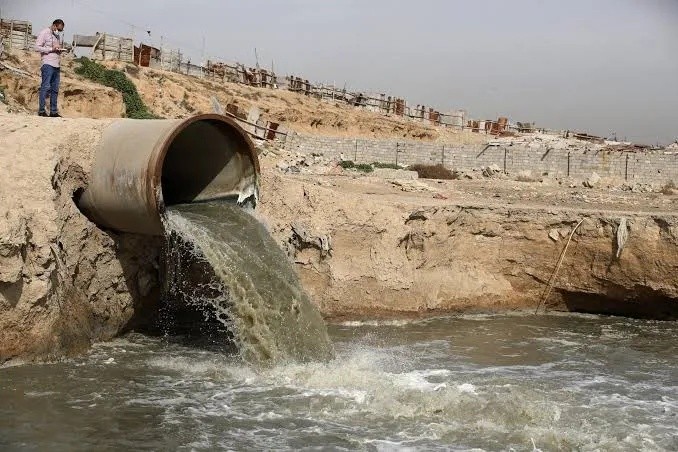
Iraq faces a grave environmental challenge with the pollution of its historic rivers, the Tigris and Euphrates, which are considered the country's lifeblood. In this regard, the Iraq Green Observatory warned on Thursday that addressing the rampant pollution in these two rivers will demand many years, potentially extending into decades in some cases, underscoring the serious repercussions on human health and the environment. In a statement, the observatory asserted that any expectations of a swift and effective solution to the pollution issue in these vital rivers are entirely unrealistic. It emphasized that the matter necessitates several years, and could span decades under certain circumstances. The statement clarified the difficulty of rapidly altering the routes of pipes discharging heavy wastewater directly into the Tigris, as this requires substantial investment in strategic, large-scale projects to re-route them. The observatory noted that the same challenge applies to factories dumping industrial waste and power stations releasing fuel and oils into its waters, further complicating the environmental situation. The problem is not limited to the Tigris alone; the Iraq Green Observatory highlighted that the Euphrates River faces similar challenges, particularly with numerous health and agricultural projects situated along its banks. It affirmed that a comprehensive treatment of pollution sources demands extensive time and intensive efforts through specialized projects aimed at preventing the discharge of untreated water into both rivers. In a related context, the observatory expressed skepticism regarding the efficacy of the parliamentary committee tasked with monitoring river pollution, whose recommendations are anticipated soon. It stated that these recommendations are "unlikely to bring anything new," predicting they will focus on prohibiting polluting entities from continuing their activities and threatening them with legal action. It added that these entities, lacking comprehensive strategies, will not be able to find immediate solutions to this dilemma, which requires significant time and extensive projects to prevent untreated water disposal into the Tigris and Euphrates. Furthermore, the observatory warned of escalating pollution levels in the near future. This is attributed to several factors, including continuously decreasing river water levels, alongside growing population pressure on riparian cities. These conditions are expected to negatively impact service quality from the Baghdad Municipality and provincial municipalities, as well as the capacity of government and private hospitals to manage the health consequences. Additionally, the observatory linked water pollution to numerous direct human health risks, indicating it could cause 13 different diseases. Prominent among these are digestive disorders and urinary tract infections. The observatory specifically highlighted Hemolytic Uremic Syndrome (HUS), describing it as a serious health condition potentially leading to red blood cell destruction, acute kidney failure, a severe drop in platelet count, and other bodily infections, underscoring the critical necessity of addressing this environmental crisis.