Global

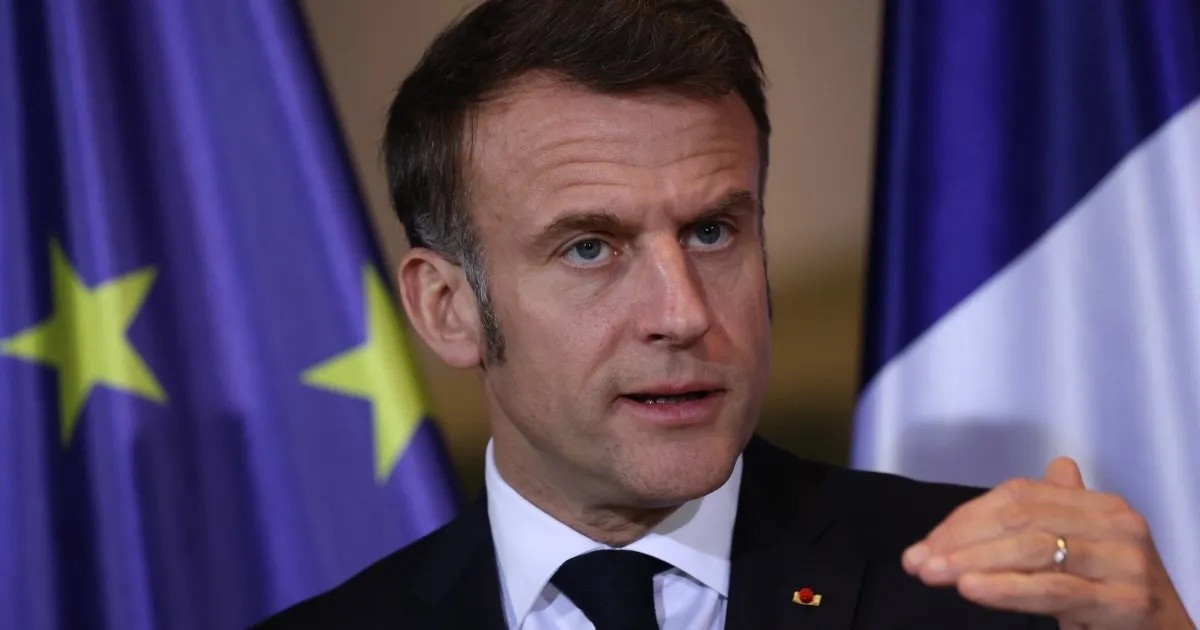
Reports indicate that Paris has already initiated unannounced conventional military responses to hybrid attacks attributed to Russia. These developments unfold amidst growing French concern regarding the nature and frequency of these covert assaults, which have prompted high-level discussions and strategic planning within the French capital. In this context, French President Emmanuel Macron has recently underscored the gravity of escalating hybrid warfare allegedly waged by Russia against France, emphasizing the necessity for robust defensive measures. His recent announcement of a comprehensive plan to safeguard the nation's critical infrastructure clearly reflects the perceived increase in such clandestine threats, leading to a deeper examination of their underlying causes and potential responses. Over recent weeks, France has experienced a series of suspicious incidents that, while not yet officially attributed, are raising alarm. For instance, on September 3rd, two simultaneous fires erupted near an industrial site belonging to "Yurinko," France's sole producer of explosives, located in the city of Sorgues. The blazes consumed 16 hectares of green spaces, including two hectares within the company's perimeter. This was followed on September 11th by a train derailment between the cities of Caen and Rennes, resulting in 44 injuries, one of them serious. These incidents formed the backdrop for a meeting convened by President Macron at the Élysée Palace on September 18th with political party leaders and presidential candidates, to brief them on threats attributed to Russia. Following the meeting, Macron publicly stated, "We are currently targets of hybrid attacks, and I have informed you of this before." Confirming the active nature of France's response, a French military source, speaking a day prior to Macron's press conference, affirmed, when asked about the possibility of conventional military responses to hybrid attacks, that "this is something that is already happening." The specific details of Paris's conventional military actions against Russia, including their nature, geographical scope, or any direct link to the ongoing conflict in Ukraine, have not been disclosed. This strategic ambiguity highlights a significant dilemma confronting France and other European capitals in formulating effective deterrence against these unconventional threats. Current measures, such as economic sanctions, the seizure of Russia's "shadow fleet" vessels, and the expulsion of individuals accused of spying for Moscow, are increasingly deemed insufficient to deter Russian authorities. To date, no immediate comment or response has been issued by the Russian side concerning these claims of French military action.