Eco

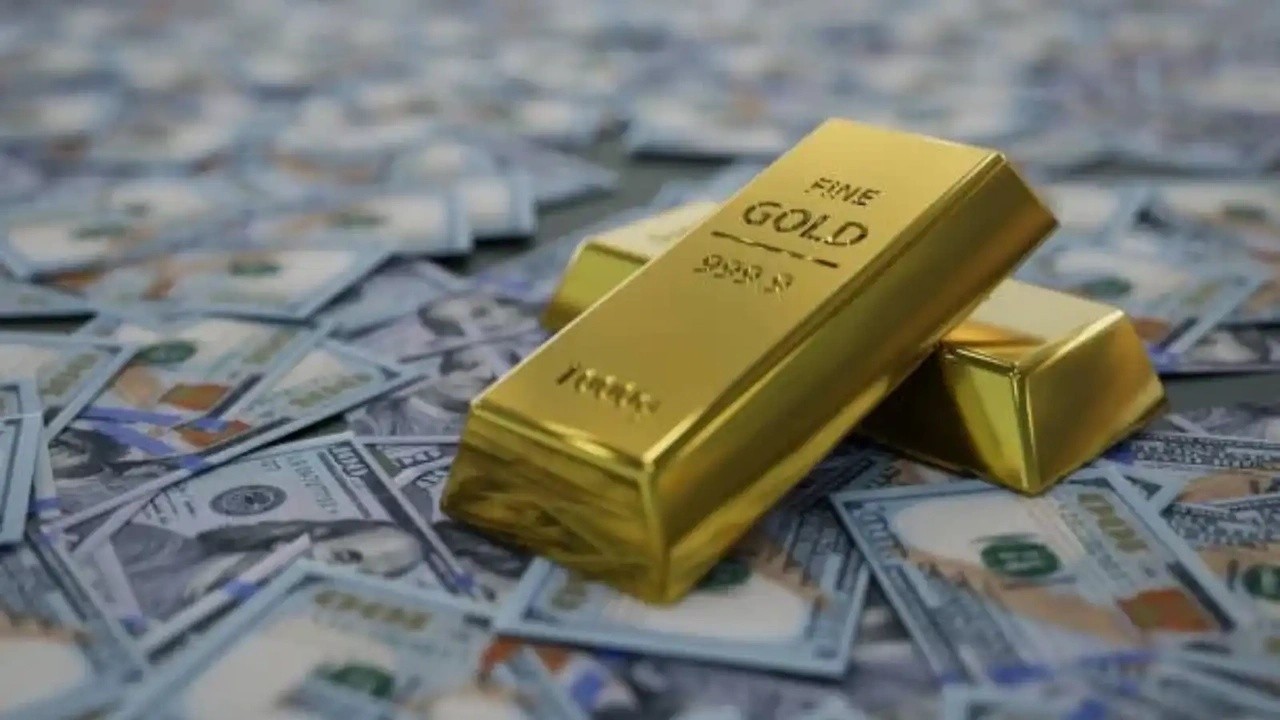
Gold recorded a weekly loss of approximately 4% after declining during Friday's session, reaching its lowest levels in over three months. This marks a notable shift for a metal typically seen as a safe haven during periods of uncertainty. This significant drop, the largest since June, is attributed to a combination of factors. Chief among them is the sharp rise in oil prices, which reignited concerns about ongoing inflationary pressures. Additionally, stock markets experienced a severe sell-off, particularly in technology sectors and companies linked to artificial intelligence, prompting some investors to liquidate gold holdings to meet liquidity and margin requirements. Although the decline in U.S. Treasury yields was expected to support gold, as it is a non-yielding asset, the metal did not clearly benefit from this factor. Investor attention is now focused on the upcoming Federal Reserve meeting this week and the tone of its chairman regarding the future path of interest rates. Financial markets analyst Ahmed Shuraim believes the current decline does not necessarily signal the end of gold's upward trend. He notes that part of the drop relates to a repricing of risk premiums and geopolitical tensions, alongside investors' need for liquidity. He explained that investors do not want to sell gold, but it remains the most liquid asset, especially amid pressures on stock markets, concerns related to AI trade, and rising debt levels and oil prices. He pointed out that turning to gold for liquidity during stressful periods does not diminish its role as a safe haven, though it may temporarily pressure its prices. The upcoming Federal Reserve meeting represents a critical juncture for gold's direction. Markets widely expect interest rates to remain unchanged, but the focus will be on interpreting the tone of the decision, especially after recent inflation data showed stronger pressures. Shuraim confirmed that a dovish Fed tone would certainly be positive for gold, while continued high oil prices could keep inflation concerns alive, limiting the central bank's ability to quickly shift to a less restrictive monetary policy. From a technical perspective, he noted signs that could support gold following the recent decline, explaining that the relative strength index approached oversold levels, which is more positive for the metal in the medium term despite ongoing short-term downside risks. He also highlighted a gap between the behavior of speculators and long-term investors. While prices face selling pressure, holdings in gold-backed exchange-traded funds continued to rise, reflecting ongoing long-term investment bets on the metal. Gold enters the new week caught between opposing forces: liquidity, inflation, and interest rate pressures on one side, and sustained investment demand, lower yields, and technical indicators nearing oversold levels on the other. The $3900 level remains a key area to watch if downward pressures resume, while any less hawkish tone from the Fed could give gold a chance to regain and stabilize above $4000.