policy

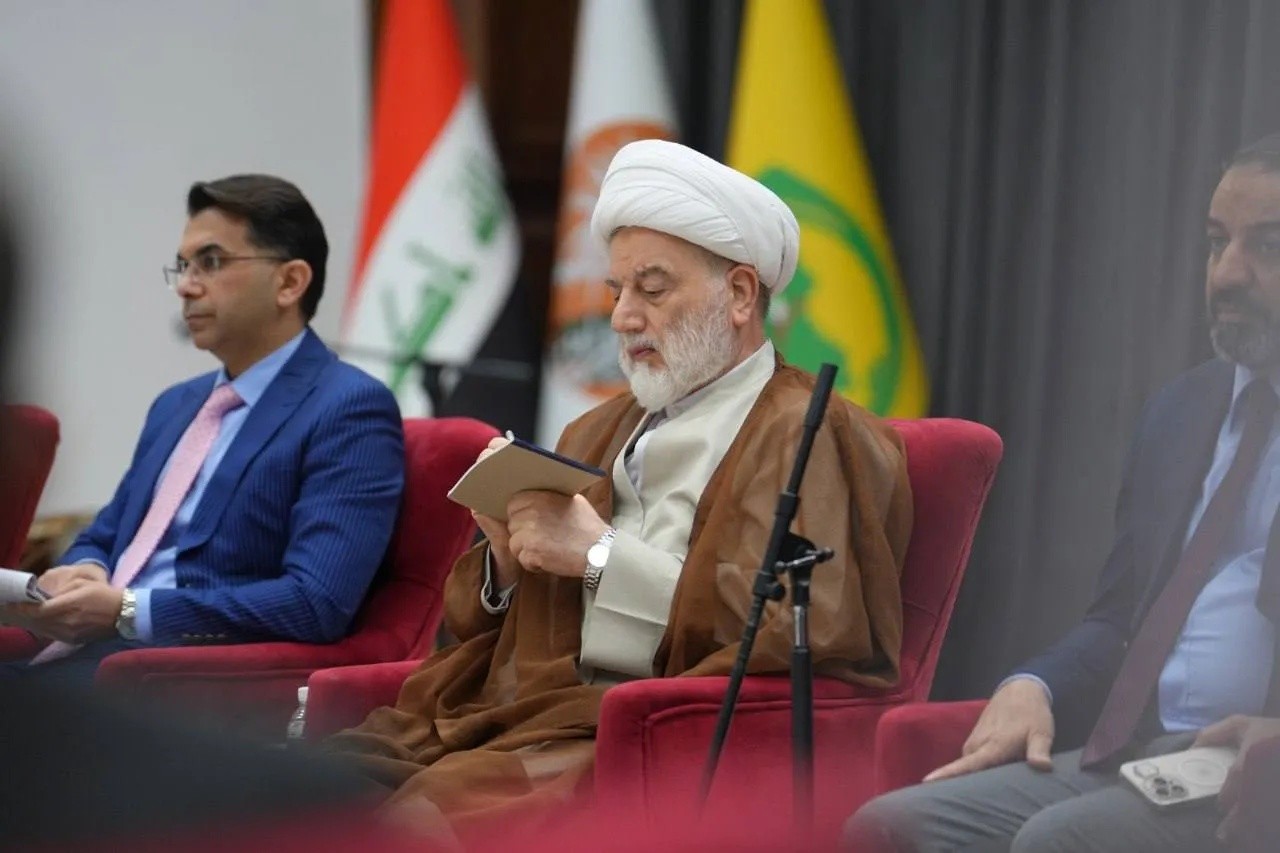
Homam Hamoudi, head of the Supreme Islamic Council, affirmed that ending foreign presence in Iraq is a non-negotiable national and constitutional demand. Hamoudi announced September 30th as the official launch of a comprehensive sovereignty project, aimed at building a strong state capable of asserting its national decision. During a Baghdad dialogue forum, Hamoudi noted that discussing arms restriction in a turbulent region, marked by continuous sovereignty violations and foreign armed groups hostile to neighbors, was an ill-advised step directly threatening state prestige. He clarified that this complex situation necessitated a new vision for security challenges. Hamoudi added that the national leadership, inspired by martyrs' sacrifices and the Iraqi people's spirit, decided to transform the arms restriction issue from a potential crisis into a historic opportunity. This project aims to establish comprehensive national sovereignty and actively confront all forms of aggression against Iraq's territorial integrity. The Supreme Council head explained that arms restriction is a crucial component of the broader national agenda, to be approached with a pragmatic vision, incorporating understanding, gradual implementation, and consistent standards. This methodology draws inspiration from successful international state-building experiences. Sheikh Hamoudi urged all segments of Iraqi society—scholars, academics, elites, and the public—to fully support the comprehensive sovereignty project. He called for a collective celebration of national will, the strengthening of state decisions, and the restoration of dignity to its official institutions. He also highlighted governmental directives to bolster the Iraqi army's role in securing borders, enhance air defense capabilities, and leverage national expertise to upgrade the country's armament capabilities. Hamoudi underscored that the Coordination Framework bears a historical responsibility in guiding the state and formulating a far-reaching, comprehensive vision for Iraq's future, spanning at least ten years, with active input from academics and experts. He revealed the Framework has already established three specialized committees—security, economic, and political—tasked with developing future strategies, identifying challenges, and conducting field monitoring to support state initiatives. Concluding his address, Hamoudi called upon all national forces to prioritize popular demands over partisan or private interests. He stressed the importance of high-level coordination to maintain national cohesion, asserting that the success of the parliamentary system hinges fundamentally on collective effort and mutual cooperation.