policy

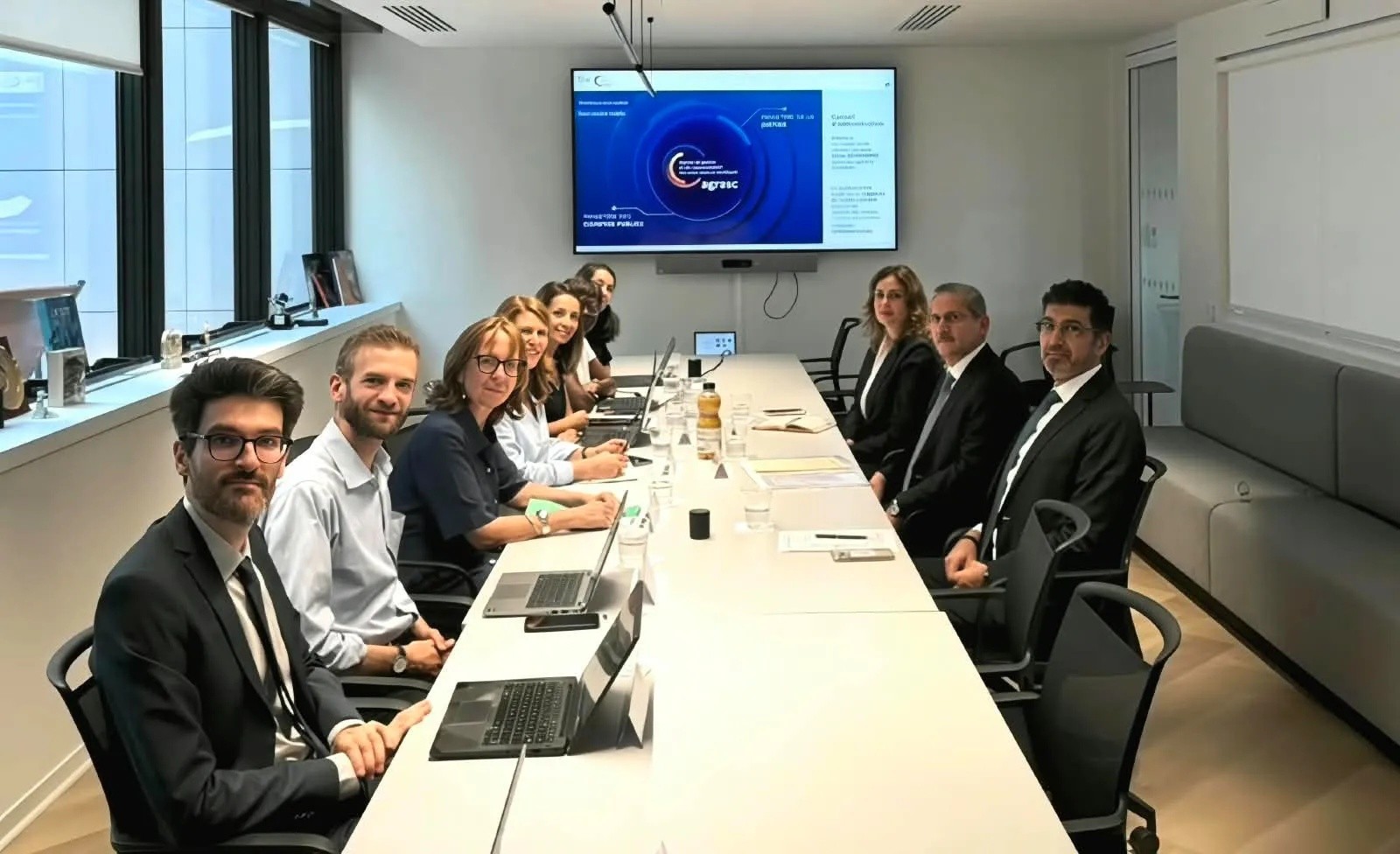
The Head of the Integrity Commission, Mohammed Ali Al-Lami, affirmed on Tuesday that holding foreign nationalities or claiming political targeting will not provide a safe haven for those involved in corruption cases. This assurance came during discussions Al-Lami held in the French capital, Paris, as part of a high-level government delegation accompanying Prime Minister Ali Faleh Al-Zeidi on an official visit to France. Al-Lami discussed with several French entities concerned with preventing and combating corruption and recovering its proceeds, ways to enhance bilateral cooperation and activate direct coordination channels to track down wanted individuals and funds obtained from corruption crimes and recover them. During these discussions, he met with the head of the French Anti-Corruption Agency, the head of the Asset Recovery Agency, and a representative of the French Ministry of Justice, in pursuit of expanding the institutional partnership between the two countries. Al-Lami stressed that the completion of the national anti-corruption system, through the integration of regulatory bodies and the three authorities (executive, legislative, and judicial), does not preclude the need for serious and effective international cooperation. He affirmed that the transnational nature of corruption crimes makes confronting them a shared responsibility requiring continuous international coordination, especially in prosecuting convicted and wanted individuals in corruption cases, and tracing, freezing, and recovering smuggled assets and funds. He clarified the importance of these discussions in strengthening cooperation for the recovery of funds and assets obtained from corruption crimes, and coordinating requests for legal and judicial assistance to track, seize, confiscate, and recover them. The discussions also included identifying practical impediments that may hinder the implementation of these requests and joint efforts to address them and accelerate related procedures. Al-Lami noted that corruption is no longer a local threat, but a transnational phenomenon that necessitates concerted international efforts to confront it. He pointed out Iraq's accession to the United Nations Convention Against Corruption and its keenness to comply with its provisions and benefit from the international cooperation frameworks it provides, particularly in the areas of asset recovery and legal and judicial cooperation. He affirmed that the recovery of smuggled Iraqi funds and assets represents an important dimension in supporting the path of economic development, as these funds can be reinvested in construction and service projects, while establishing a safe and attractive business environment for foreign investments. He called for the support of international partners for Iraq in accessing its funds and assets located outside the country and returning them to the public treasury. Finally, Al-Lami explained that the Federal Integrity Commission, as the supreme independent body legally concerned with preventing and combating corruption, operates based on a legal framework that grants it competencies in investigation, asset recovery, and promoting integrity and transparency values. He expressed the Commission's aspiration to formalize the bilateral agreement with the French Anti-Corruption Agency and activate its contents; establishing a new phase of institutional partnership and practical cooperation between the two sides.