Local

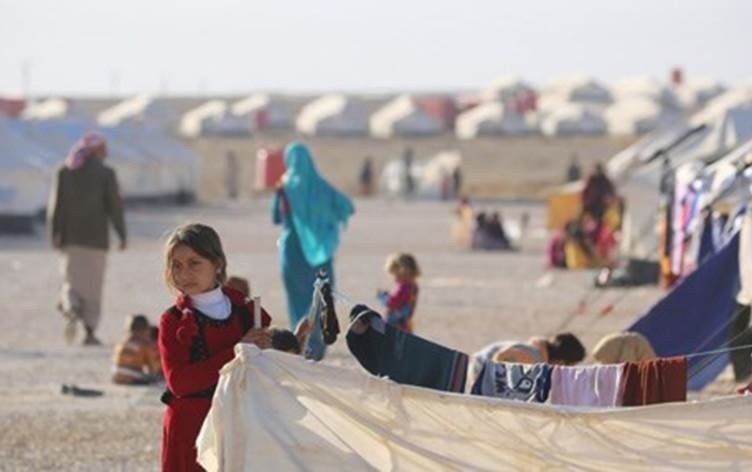
The International Migration Organization mission announced that nearly one million people remain displaced within Iraq, with the total reaching 997,334 individuals. Pascal Rintjens, head of the mission in Iraq, indicated that among the displaced, 97,272 reside in 18 camps located in the Kurdistan Region, including 89,709 individuals in 13 camps in Dohuk province and Zakho administration, four thousand in two camps in Erbil province, and 3,194 in three camps east of Mosul city in Nineveh province. He pointed out that displaced persons continue to face multiple challenges hindering their return, notably housing, land, and property issues. Damage or destruction of homes, unresolved land disputes, lack of documentation, property seizures, and difficulties obtaining compensation prevent some families from returning, especially in Nineveh areas severely affected by conflict. Limited access to basic services and infrastructure remains a significant barrier to sustainable reintegration. Monitoring results showed that 59% of families do not have consistent access to clean water. He added that deficiencies or disruptions in infrastructure, including schools and health centers, pose further challenges to reintegration. After nine months since displacement, 40% of families lack at least one civil document, most commonly the national ID card, restricting access to rights and essential services. The head of the mission warned that the large-scale registration process for displaced persons and their departure from camps has been suspended since July 2024. Families returning independently bear their own costs and logistical arrangements. He revealed that some families could not continue their return journey, with 23 families comprising 107 individuals returning to displacement camps in Dohuk at the beginning of 2026.