Global

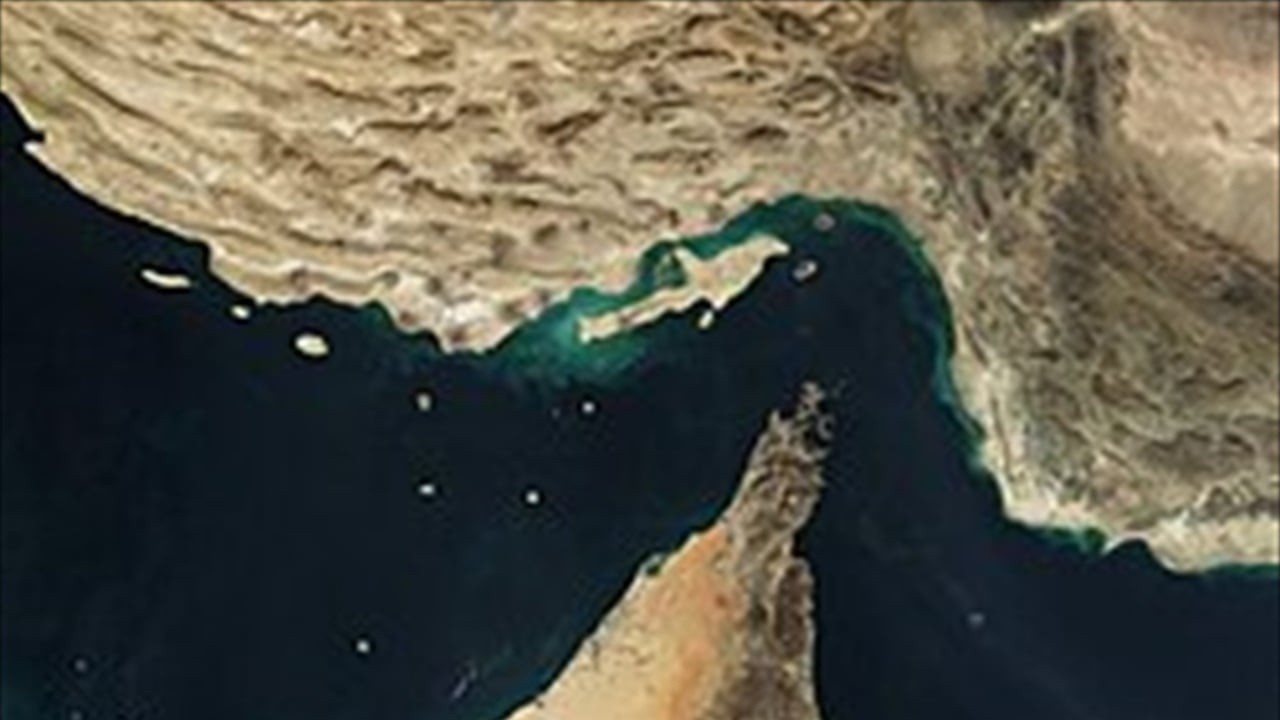
The Iranian Revolutionary Guard Corps (IRGC) announced the targeting of two American ships, eight oil tankers, and ten other vessels in the strategic Strait of Hormuz. This action, framed by the IRGC as a response to perceived "US Army aggression" and the prior targeting of five Iranian oil tankers in the Gulf, occurred amidst claims that the targeted ships attempted to traverse a "forbidden and unsafe zone" in the vital waterway. In a statement, the IRGC affirmed its naval forces "maintain full control" over the Strait of Hormuz, emphasizing that the maritime passage is under "strong and firm monitoring and management" by its units. The statement further detailed that IRGC naval forces inflicted "severe damage" upon the two American ships and the eight targeted tankers. Additionally, the IRGC reported that ten more vessels were targeted while attempting to cross the Strait, accusing the US Army of inciting and supporting these efforts. Meanwhile, preliminary data from the vessel-tracking firm Kepler revealed a decrease in maritime traffic through the Strait of Hormuz. Data indicated only six cargo ships crossed the Strait on Tuesday, a notable drop from nine vessels the previous day, and below the average of roughly twelve ships observed daily over the past ten days. According to information available at 02:00 GMT, five vessels entered the Strait, while one departed. This traffic included a Panamax-class tanker and a medium-sized tanker. It is noteworthy that these figures are subject to revision, as some vessels may intentionally disable their transponders during voyages, potentially limiting their immediate detection via tracking systems.