Global

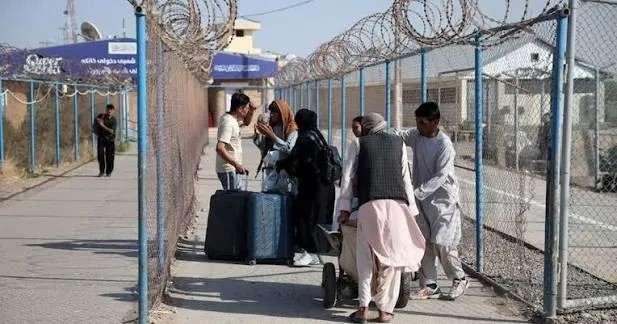
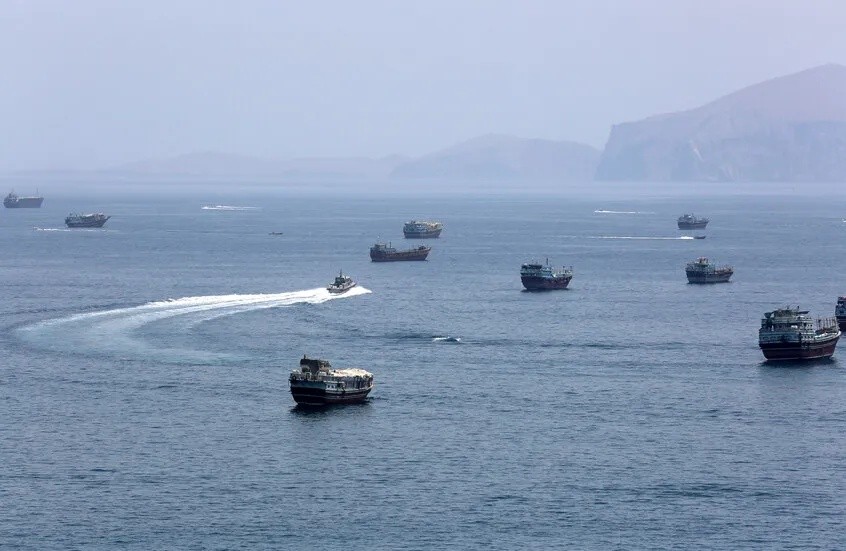
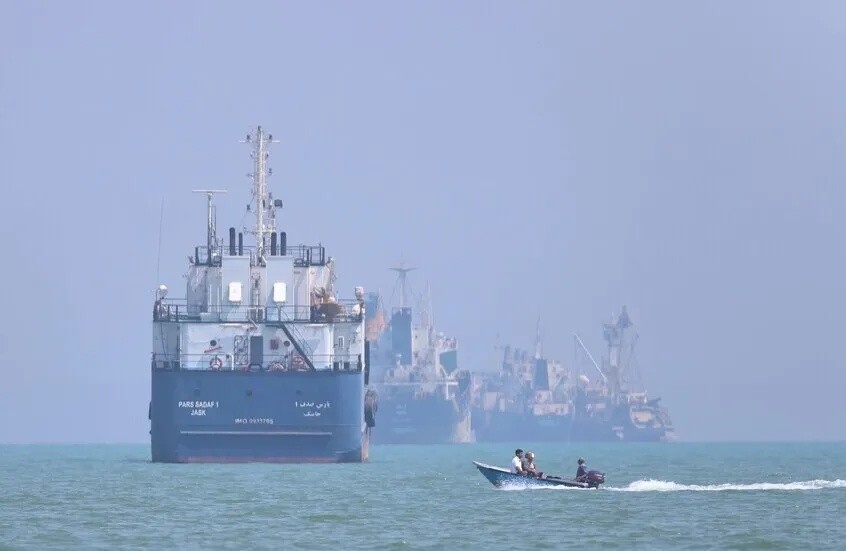
Iran has long served as a safe haven for millions of Afghan refugees over decades, fleeing conflict and poverty in their homeland. Today, however, the landscape has dramatically shifted, as severe economic deterioration in the Islamic Republic compels thousands of these refugees to make a difficult choice: returning to Afghanistan under Taliban rule, despite the strict restrictions imposed by the movement. The plight of Mohammed Saeed and his family embodies this painful transformation; after years spent in Iran fleeing Afghanistan following the Taliban's 2021 takeover, harsh economic realities have now forced them to return home. His family's savings in Iranian Rial plummeted by over two-thirds, reflecting the deep collapse of what had long been a sanctuary for Afghan families seeking safety and economic opportunities for decades, whether from 1990s poverty or post-2021 Taliban rule. This downturn has driven many Afghans to see returning home as their only option, even if it means confronting the severe Taliban restrictions on women, including bans on education, travel, and working in certain professions. In the Afghan border regions of Herat and Farah, a continuous flow of returnees from Iran has been observed at the Islam Qala crossing. Document checks and registration procedures are conducted in temporary shipping containers. Many returnees interviewed there described Iran's economy as "collapsed." Most reported months of unemployment and surging inflation before deciding to return to their homeland, where they face arid desert mountains and rough roads. Data from the Iranian Statistics Centre indicates consumer price inflation rose by nearly 90% year-on-year. This has been severely exacerbated by tightened international sanctions and a US naval blockade, recently impacting Iran's ability to export significant crude oil quantities via the Strait of Hormuz. Food price inflation outpaced general inflation, hitting approximately 130%, rendering essentials like bread, milk, and other staples unaffordable for many. Sayed Jawid Qazi Khani, a 40-year-old Afghan migrant, recalls how Afghan vendors once made substantial profits in Iranian markets by selling goods at nearly double their purchase price. He confirms this is no longer possible, as massive inflation and eroded savings for both Iranians and Afghan migrants have severely reduced consumer demand. "What's left is daily wage work," Qazi Khani adds, noting these wages are often the same as a year ago, despite soaring living costs. International Organization for Migration (IOM) surveys confirm this, with only 29% of recent Afghan returnees from Iran reporting remaining savings after their average income dropped by about a third compared to pre-crisis levels. Broadly, over two million Afghans have left Iran in the past two years. UNHCR data indicates most were either forcibly deported or intensely pressured by Iranian authorities to leave, preceding the current economically-driven wave of returnees. While forced deportation remains a primary reason for return, especially for unaccompanied men targeted by Iranian authorities, the latest wave shows a notable shift. According to IOM and returnee testimonies, increasing numbers of women and entire families are among those returning, compared to pre-crisis levels. Many Afghan mothers and daughters, who remained in Iran after the Taliban's takeover of Afghanistan, now face a dire dilemma: either extreme poverty in Iran or returning to a homeland where the Taliban imposes stringent restrictions on women, such as prohibiting travel without a male guardian and engaging in specific professions. According to the UN, half of Afghan women rarely leave their homes. Abdul Ghani Qazi Zada, a senior Taliban official at the Islam Qala border crossing, confirmed that 20 to 40 families, including women and girls, are returning voluntarily daily. Qazi Zada attributed this to "the wages they earn are no longer sufficient to cover their basic living expenses." He also noted numerous complaints from Afghan workers about Iranian employers not paying their dues, stating: "Everyone complains that they left their money there."