Global

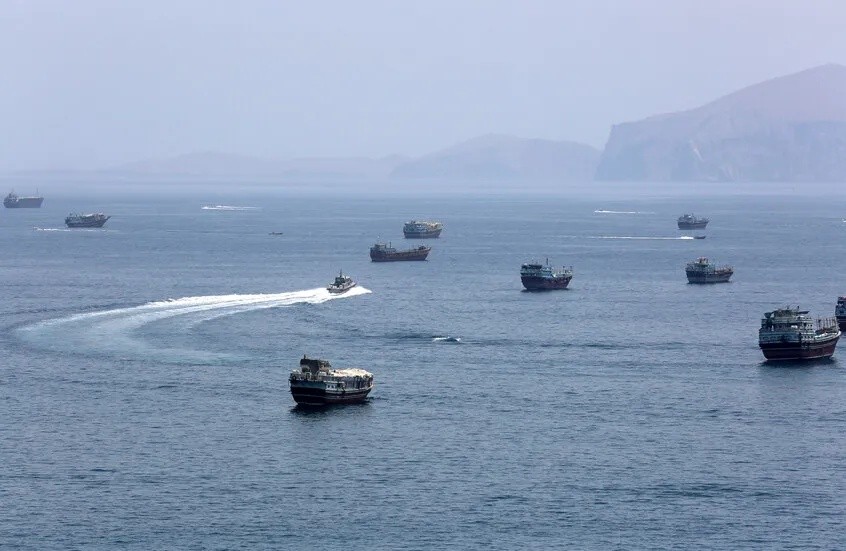
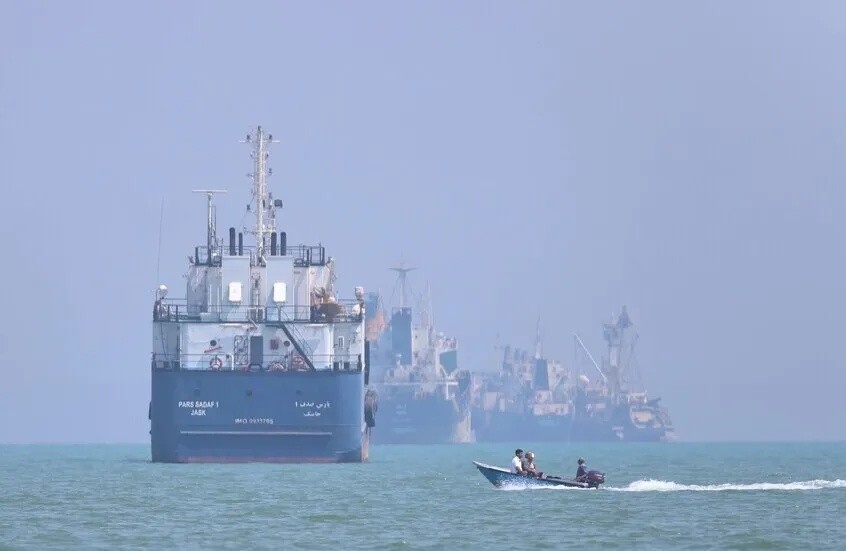
An economic analysis has revealed that the U.S. naval operation to impose a blockade on Iran, which commenced in January 2026, has already cost the American treasury over 7.1 billion dollars. The analysis indicates that the naval blockade itself, launched on July 14, has consumed approximately 2 billion dollars in ship operating costs, averaging 32.5 million dollars daily and about one billion dollars monthly. Estimates suggest that this expansive military operation currently involves about 22 warships, constituting over 30% of the total U.S. Navy combat vessels. At least 28 ships have rotated through the blockade zone since its inception. In a related development, the U.S. Congressional Budget Office (CBO), in a report released on Tuesday, estimated the total cost of the conflict to be around 38 billion dollars as of August 1st, anticipating monthly costs to remain between 2 and 3 billion dollars if the conflict continues at a "relatively low" intensity. This CBO report also unveiled concerning figures regarding the depletion of the United States' strategic stockpiles. Information indicated that Washington has likely utilized up to two-thirds of its inventory of defensive interceptor missiles since June 2025. This picture is further exacerbated by findings from a separate Pentagon report, published on Monday, which declared that Iranian strikes have either destroyed or damaged dozens of American aircraft and hundreds of buildings at U.S. bases across the region. The naval operation encompasses the participation of multiple fleets from various regions. A significant number of warships have been dispatched from the U.S. Seventh Fleet, which is headquartered in Japan and Guam. This fleet includes an aircraft carrier strike group and dozens of other combat vessels, including attack submarines, all redirected to the Gulf region. Four major aircraft carriers are participating in the naval blockade formations: the USS Abraham Lincoln, USS Gerald R. Ford, USS George H.W. Bush, and USS George Washington. The mission of these vessels is to intercept and redirect any ship suspected of being linked to Iran attempting to traverse the strategic Strait of Hormuz. Released data has indicated that the U.S. blockade has intercepted over 100 vessels since last July, with ships either being redirected or incapacitated by U.S. fire when attempting to cross the Strait. On the Iranian side, estimates suggest that this blockade is severely impacting Iran's 300-billion-dollar economy, with inflation having surged by over 80%. Iran's inability to export its oil is estimated to be costing Tehran hundreds of millions of dollars monthly, in addition to escalating sanctions imposed upon it. An in-depth analysis points out that this military operation poses a grave challenge to U.S. forces, leading to a massive depletion of human and military resources. It has also reportedly weakened Washington's standing in other global regions, particularly in Asia, due to the withdrawal of numerous naval assets from the Seventh Fleet based in Japan and Guam. These figures and exorbitant costs collectively raise fundamental questions about the long-term sustainability of this military operation, especially amidst the depletion of strategic defensive missile stockpiles, which could negatively impact the United States' capacity to confront potential threats in other global hotspots.