Local

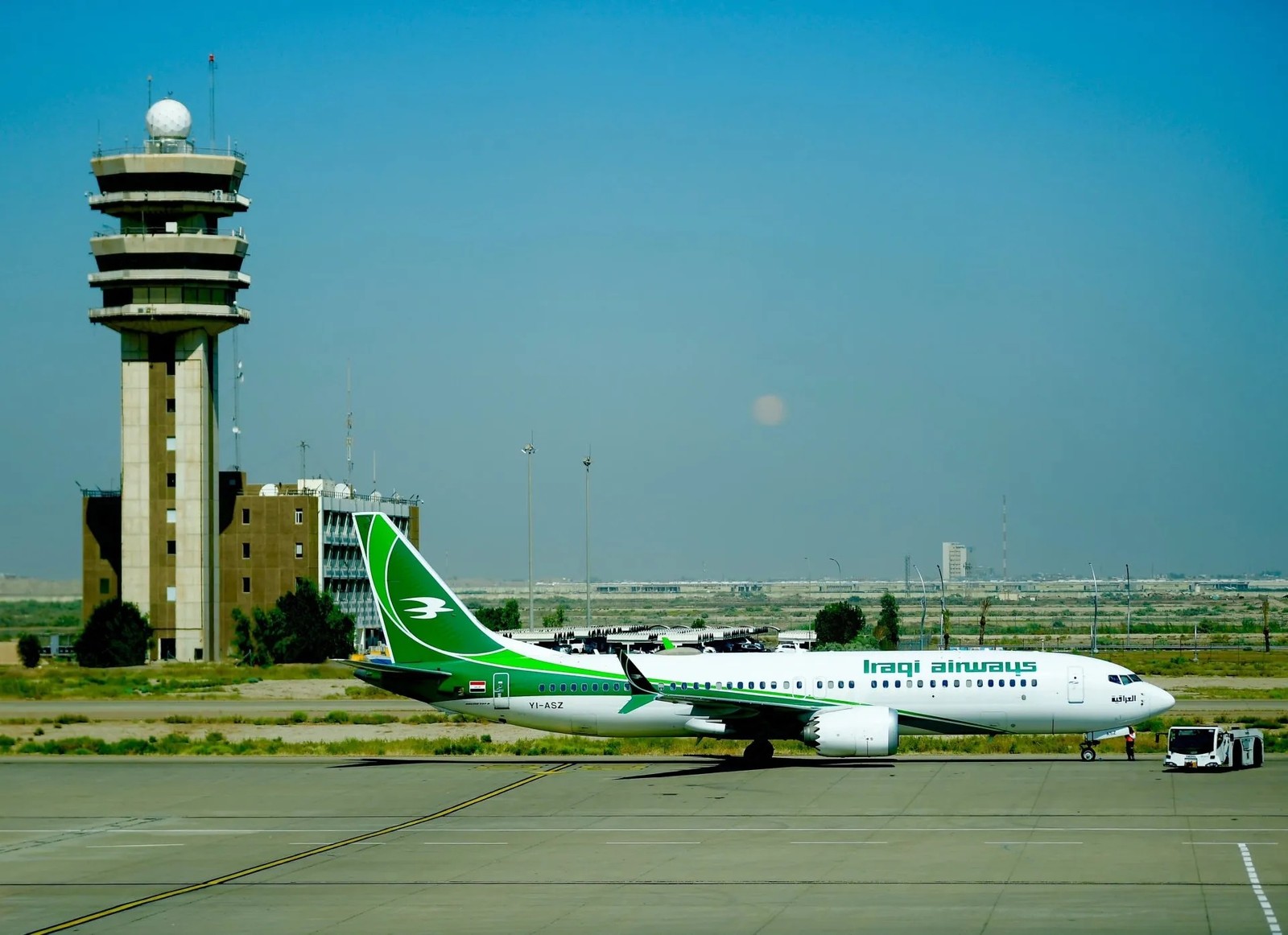
In a strategic move bolstering national sovereignty and enhancing Iraq's aerial standing, the Ministry of Transport announced on Friday the completion of all procedures for lifting air restrictions previously imposed within the framework of international coalition operations. These developments are set to fully open Iraqi airspace to global civil aviation, heralding a new era of aerial activity. Captain Ihab Saad Karim, Director-General of the Iraqi Company for Airport Management and Air Navigation at the Ministry of Transport, affirmed that the complete lifting of restricted and prohibited zones from Iraqi airspace is an integral part of the international coalition forces' withdrawal procedures from Iraqi territory and the full handover of airspace to national authorities. Karim added that this withdrawal and the removal of restrictions over these air zones will provide greater flexibility for international civil aviation companies, allowing them to use Iraqi airspace for transit with increased efficiency. Captain Karim further highlighted that Iraq's strategic geographical location plays a pivotal role in enhancing opportunities for global airlines to utilize its airspace, emphasizing the importance of marketing Iraqi air corridors. He stressed that the company is currently working on establishing new air routes with the aim of increasing transit traffic through Iraqi airspace. This initiative, according to Karim, will lead to economic prosperity for Iraq, particularly through the collection of fees and revenues associated with the use of this airspace. Earlier today, the Ministry of Transport announced the closure of the restricted zones file and the full completion of sovereignty over Iraqi airspace. The Ministry clarified that the Airspace Management Team at the Air Operations Center officially confirmed that military air zones previously listed in the Iraqi Air Guide are no longer used for military operations. Furthermore, it noted the handover of all areas previously reserved in the western part of the country, from north to south, to the General Company for Airport Management and Air Navigation for civil aviation use, thereby embodying Iraq's full control over its aerial domain.