Security

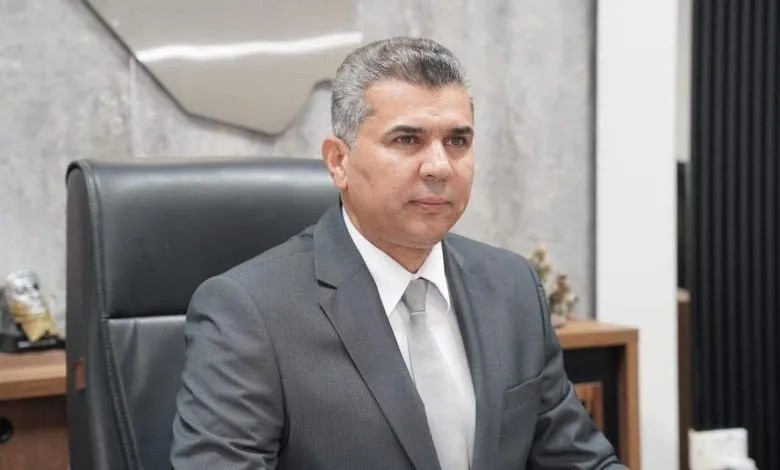
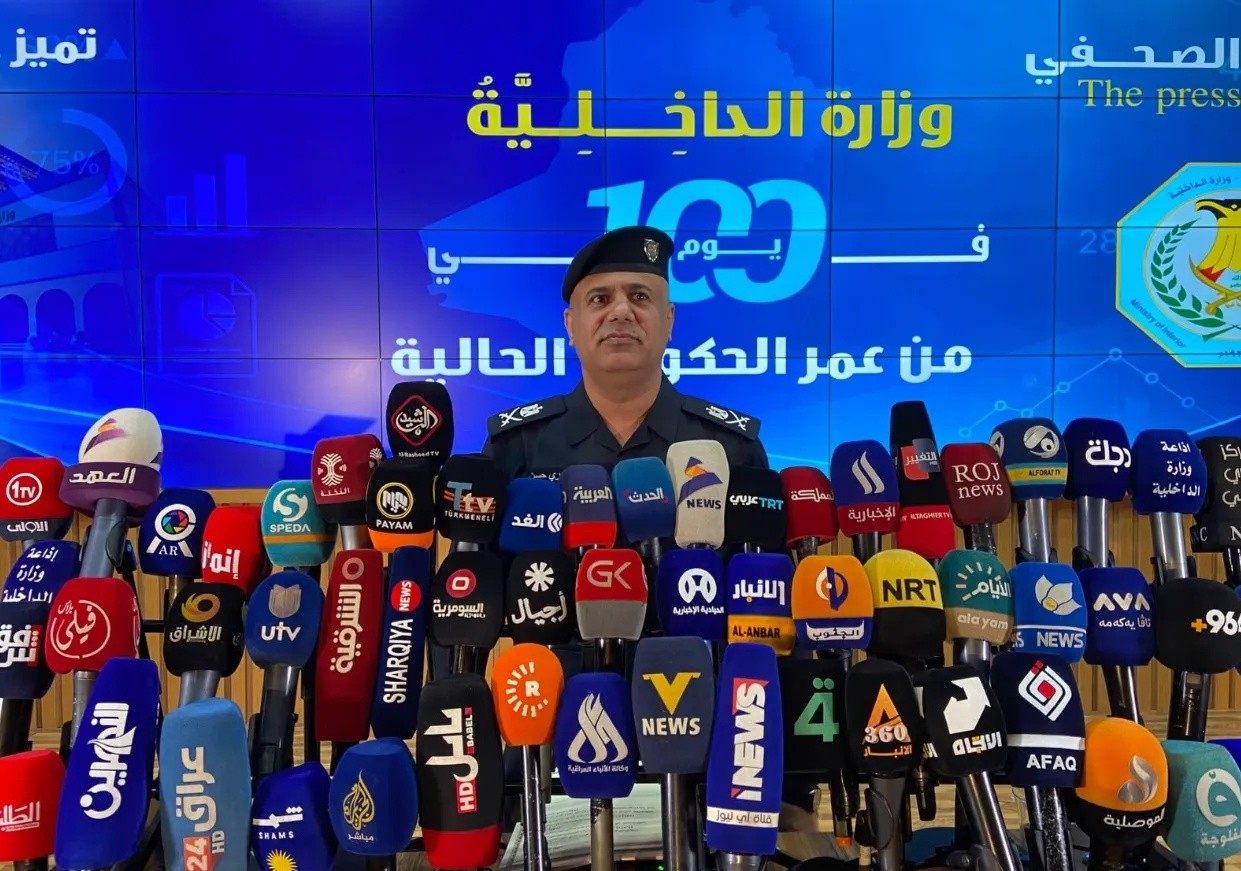
In efforts to strengthen state sovereignty and restrict weapons to official institutions, Lieutenant General Saad Maan, head of the Security Media Cell, revealed significant progress in dialogues with armed factions. Maan affirmed that resolving the weapons issue is now a matter of time, with no obstacles impeding its completion. Speaking to the official newspaper, General Maan clarified that coordination and discussions with these factions have advanced notably, based on a fundamental principle of refraining from aggressions against neighboring countries or internal areas, including the Kurdistan Region. He pointed out the current approach aims to regularize factions' status, integrating personnel and weaponry into official security institutions under the Commander-in-Chief of the Armed Forces, while maintaining political separation from prior designations. The PMF, he noted, already operates under the Commander-in-Chief's umbrella. Maan explained that the Sinjar model, integrating local forces into governmental security formations, serves as a precedent for similar cases. He emphasized this process will encompass all individuals and weapons, ensuring full integration within official state frameworks. This trajectory, he reported, enjoys broad acceptance and support from political forces, the Council of Representatives, the Supreme Judicial Council, and the Coordination Framework, alongside international welcoming of this direction as a purely Iraqi decision enhancing the country's sovereignty and strength. Maan added that discussions continue regarding executive mechanisms and technical details for regulating weapons, affirming a preliminary agreement exists among political forces to support the government in this endeavor, and that matters are proceeding correctly. In a related context, the head of the Security Media Cell addressed the international coalition forces' withdrawal, confirming adherence to specified timelines. He clarified the coalition was initially formed to assist Iraq against ISIS, but the organization has significantly lost capabilities and influence, no longer posing its former threat. Maan noted Iraqi security forces are now fully capable of assuming complete responsibility for pursuing ISIS remnants and dealing with any potential security threats nationwide. These developments occur as national sovereignty and state control over arms take center stage in Iraq's political and security agenda, coinciding with progress in the withdrawal of international coalition forces. Parliamentary affirmations emphasize that foreign troop departure must be accompanied by a gradual, organized national path to settle the weapons issue and eliminate military manifestations outside state control, bolstering national decision-making and granting security institutions full powers.