Global

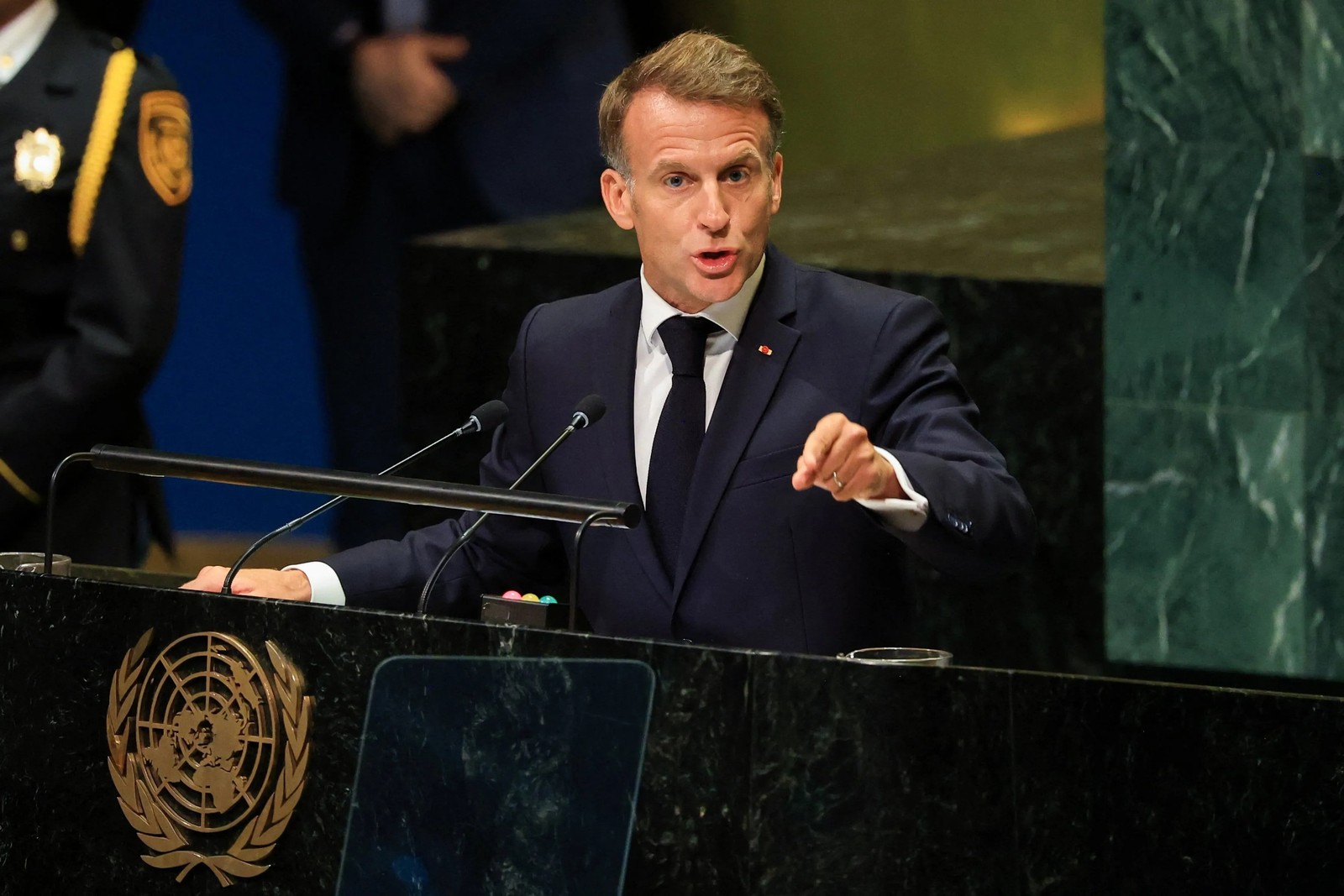
French President Emmanuel Macron has affirmed his country's readiness to deploy "military means" to confront escalating international crises. He stressed France would take all necessary measures to reopen the Strait of Hormuz, amidst the sharp rise in global fuel prices. Macron ruled out tax cuts as an immediate solution to rising fuel costs. The President made his statements during a joint televised interview broadcast yesterday, Thursday, on "TF1" and "France 2" channels. Macron warned of escalating tensions between Russia and European nations, suggesting that France could be vulnerable to an attack by a drone laden with explosives, similar to the attack on Leipzig airport in Germany in early August, according to Le Monde. The French President clarified that his country had not yet experienced such an attack, and denied that French agencies had received notifications from the US Central Intelligence Agency (CIA) about the possibility of Russian drones targeting southern France, contrary to foreign press reports. However, he did not rule out the possibility of such an attack occurring. In the context of his comments on the conflict in Ukraine, Macron stated that Russia views Europe as "Ukraine's strategic depth," making European nations vulnerable to targeting due to their support for Kyiv. Macron considered a new Russian mobilization of 300,000 soldiers to be realistic, especially four years after the partial mobilization of the same number of reservists. He noted the Ukraine conflict has cost Russia, since the invasion began, 1.2 million people killed or wounded. Macron reiterated his proposal for a "double halt" to strikes targeting energy infrastructure and civilian facilities in both Ukraine and Russia, as well as in the Black Sea region. Attention is also turning to the repercussions of the Middle East conflict and tensions in the Straits of Hormuz and Bab el-Mandeb, which impacted French daily lives more significantly with the continued rise in fuel prices. In this regard, the French President announced the deployment of "military means," including soldiers, radars, and defense systems, with the aim of protecting the Yanbu site, Saudi Arabia's largest crude oil export terminal on the Red Sea, targeted by Houthis in Yemen. Macron did not rule out the use of French "Rafale" fighter jets if necessary, while simultaneously affirming that France does not seek direct involvement in the ongoing conflict between Saudi Arabia and the Iran-backed rebels. This French move has sparked internal political reactions. Jean-Luc Mélenchon, the "France Unbowed" candidate for the 2027 presidential elections, rejected the deployment of French forces in Saudi Arabia, demanding the decision be presented to Parliament for discussion under Article 35 of the Constitution. For his part, Sébastien Chenu, Vice President of the "National Rally" party, considered that sending French soldiers to protect Yanbu facilities carries significant risks France should not bear, especially in the absence of any binding defense agreement linking it with Saudi Arabia. Regarding the issue of fuel prices, Macron announced his intention to convene the G7 nations in the coming days to discuss releasing strategic oil reserves to calm markets. He also seeks to persuade US President Donald Trump not to suspend diesel exports, deeming such a decision would have negative effects. Macron reiterated his current refusal to cut fuel taxes, a demand by parties like the "National Rally" and "France Unbowed" for price freezing. He explained that the priority is to lower prices first before considering tax cuts, indicating that any tax reduction requires a parallel reduction in public spending. Finally, Macron acknowledged his failure to convince the French people of the reforms he aspired to, expressing regret for not acting with sufficient speed and effectiveness to reform the French social model. He also confirmed ruling out dissolving the National Assembly again before his term's end, considering such a step would add political instability amidst current challenges related to war, purchasing power, and the budget, and would leave the next president facing difficulty rebuilding a political majority.