Technology
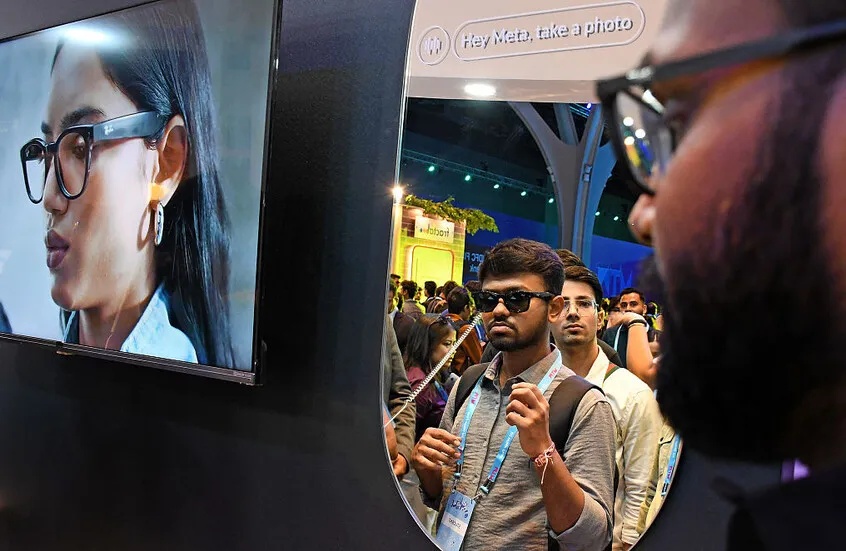
In-depth technical analyses have revealed that "Meta" has secretly integrated facial recognition technology into its smart glasses, through an application installed on millions of phones worldwide. Code added via multiple updates to the "Meta AI" application shows an internal feature called NameTag, capable of identifying individuals captured by the glasses' camera and sending a notification to the wearer upon recognition. This discovery comes at a time when Meta publicly described this technology as still under study and development, stating last April that it would not roll out the feature without a "very thoughtful approach." However, analyses indicated that the core components of the system have been integrated into software distributed to millions of users since last January. Although not yet activated, this feature is latent within an application downloaded over 50 million times, an application essential for operating Ray-Ban and Oakley smart glasses. When activated, it will convert faces into "faceprints" and scan them against a database on the user's phone that receives updates from Meta's servers. This step represents a return to a technology the company halted in 2021 following widespread controversy. Meta previously paid $650 million to settle a class-action lawsuit in Illinois and agreed in 2024 to a $1.4 billion settlement with the state of Texas due to illegal collection of biometric data. Privacy advocates warn that this technology could provide a dangerous tool to anyone, from stalkers to immigration officials. In this regard, a security researcher stated, "Meta has created the ability to turn its customers into a distributed surveillance machine." Researchers have conducted successful tests on this feature, confirming that "the key components for facial recognition are already present, and there are not many pieces standing between this and a working feature." For its part, Meta clarified that it is still exploring these features and that no final decision has been made, affirming that it is not building a central database for faces. Nevertheless, a review of the code indicates that the system is designed to pull faceprints from its servers and store them on user devices.