policy

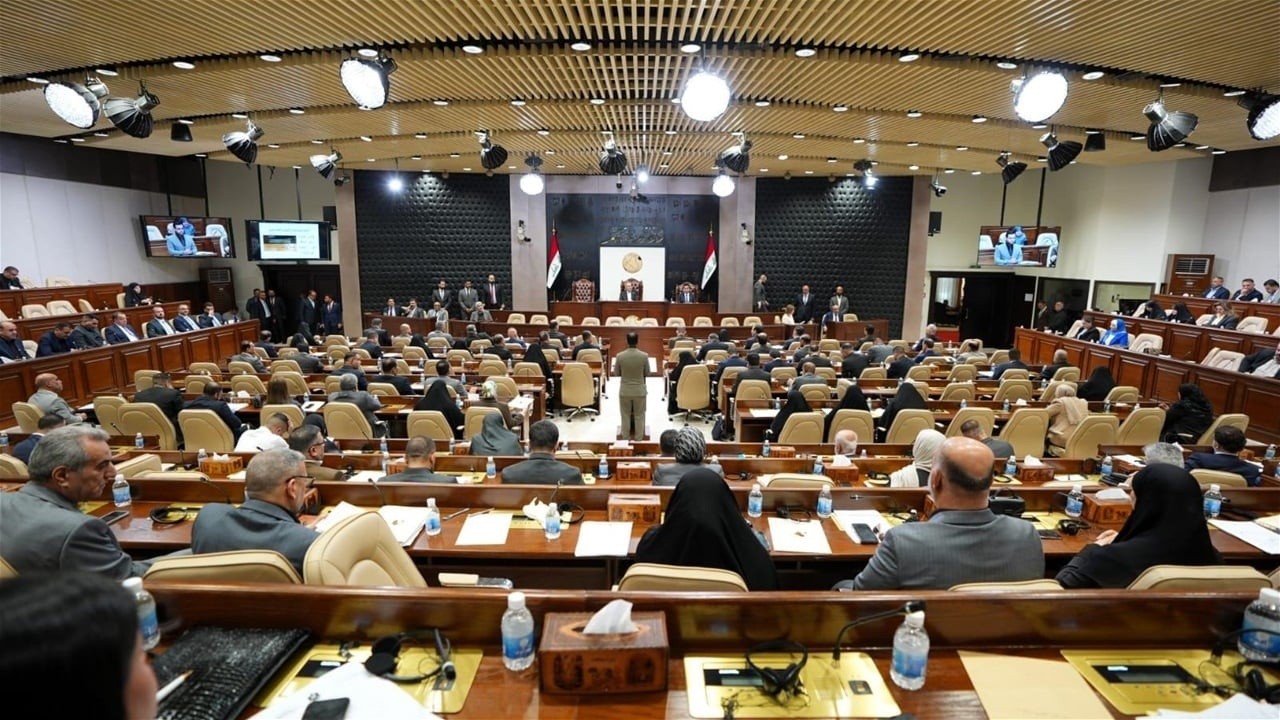
The Iraqi Council of Representatives, in close coordination with executive authorities, is moving to overhaul and modernize the legal and supervisory frameworks dedicated to combating corruption and safeguarding public funds. This initiative centers on finalizing crucial amendments to key legislative drafts, most notably the Internal Oversight Commission Law and the Right of Access to Information Law, amid parliamentary insistence on institutional harmony among the legislative, executive, and judicial branches to eliminate impunity and hold wrongdoers accountable. In this context, the head of the Parliamentary Integrity Committee, Taha Al-Dafaie, stated that the committee is actively following up on a series of critical issues related to public service delivery and urgent citizen complaints, alongside investigating the causes behind lagging and stalled infrastructure projects. Al-Dafaie stressed that these lingering problems necessitate rigorous on-site monitoring and firm measures to halt the squandering of state wealth and rectify administrative violations. Al-Dafaie further indicated that his committee’s mandate goes beyond registering grievances and identifying administrative failures, extending directly into modernizing the legislative structure that underpins anti-graft oversight. He pointed out that work is underway to complete legislation concerning the Internal Oversight Commission and the Right of Access to Information, emphasizing that enacting these bills will substantially bolster institutional transparency, elevate accountability standards, and empower specialized entities to detect financial infractions and monitor governmental performance. Echoing these priorities, lawmaker Mohammed Al-Ziyadi emphasized that anti-corruption efforts serve as the foundational pillar of any comprehensive financial and administrative reform. He reiterated parliament's commitment to providing the necessary legislative and political backing for government procedures designed to hold negligent officials accountable. Al-Ziyadi noted that realizing these goals requires providing adequate regulatory instruments away from external pressure or political interference, urging unified efforts between parliament, government, and society to firmly anchor transparency. Concurrently, MP Jassim Al-Alawi highlighted the absolute necessity of enforcing deterrent measures against individuals involved in corruption files, irrespective of their formal titles or state positions. Expressing full support for the current anti-graft drive led by the Prime Minister, Al-Alawi stressed the importance of aligning financial and administrative reforms with viable economic development plans aimed at invigorating domestic markets and channeling national resources into vital projects that elevate living standards. From an analytical perspective, political analyst Mohammed Salah affirmed that confronting corruption effectively requires an integrated legal architecture established by parliament to serve as a reference for judicial, oversight, and executive bodies. Salah concluded that closing legislative loopholes and passing transparency laws will protect public spending, noting that the true measure of success lies in genuine political determination and seamless coordination among state institutions to cultivate an open investment climate and restore civic trust.