
Eco

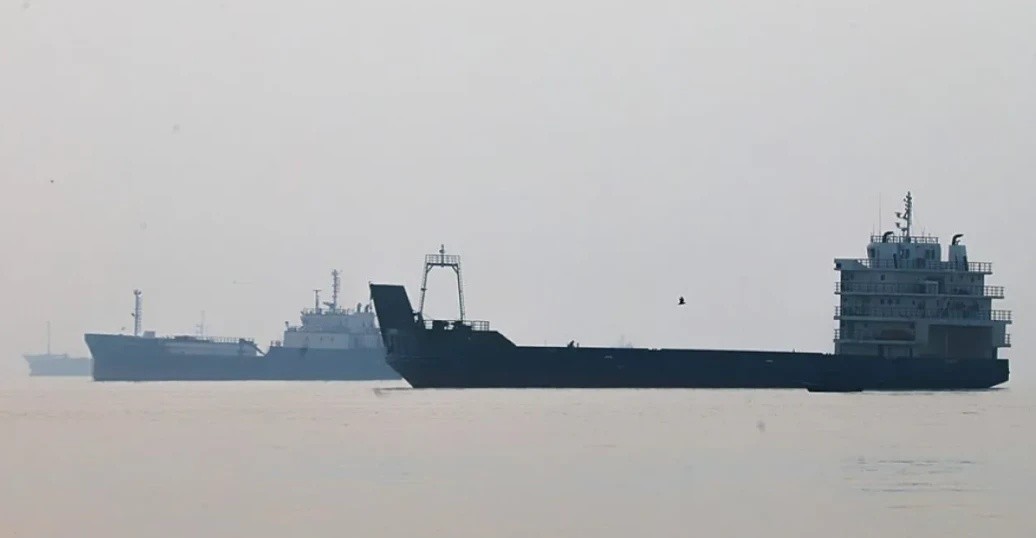
Global energy markets are significantly affected by ongoing geopolitical developments, as oil prices witnessed notable increases during Thursday's trading sessions, driven primarily by persistent concerns regarding the stability of oil supplies from the Middle East region. This upward momentum comes at a time when attacks targeting maritime shipping traffic in the waters of the Arabian Gulf and the vital Strait of Hormuz are intensifying. These tensions have directly reflected on crude futures, with Brent crude contracts recording an increase of $1.33, or 1.33%, reaching $101.53 per barrel by 01:16 GMT. Similarly, U.S. West Texas Intermediate crude futures achieved notable gains of $1.11, or 1.26%, settling at $89.39 per barrel. Prices had experienced downward pressure during Wednesday's settlement following the International Energy Agency's agreement to accelerate draws from strategic oil supplies and prioritize diesel supplies within a plan launched earlier in March, as governments seek to cope with the record fuel price crisis and supply disruptions resulting from the war with Iran. It is worth noting that security threats targeting oil shipments and maritime passage in the Gulf and the Strait of Hormuz - through which shipments historically passed representing about 20% of total global oil and fuel consumption before the war - saw a notable increase during October as the conflict between the U.S.-Israeli alliance and Iran entered its eighth consecutive month. Attacks recorded on oil tankers transiting the Strait of Hormuz reached their highest weekly level last week since the start of military operations against Iran, and these intense attacks coincide with the continued flow of crude quantities from the Gulf to global markets, despite associated exorbitant financial costs and increasing operational risks threatening shipments and vessel crews. In the latest episode of these ongoing attacks, the United Kingdom Maritime Trade Operations confirmed on Wednesday that an oil tanker suffered a direct hit north of Qatar as a result of being struck by multiple projectiles, resulting in human casualties. Analyzing the current situation, Daniel Hinz, senior commodity analyst at ANZ, explained in an analytical note issued on Thursday that in the past, such attacks inevitably led to a noticeable decline in the volume of shipments coming from the Gulf; however, the scene appears different this time, as producers seem fully prepared to face the risks of their vessels suffering material and severe damage, given the absence of alternative routes capable of delivering their oil to international markets. Hinz added that the withdrawals implemented by the International Energy Agency from its reserves will likely consist of barrels that were originally an essential part of the agency's original withdrawal plan amounting to 400 million barrels approved at the outbreak of the crisis in the Middle East, reflecting that this measure does not represent a genuine additional withdrawal from strategic inventories. The analyst further stated that ultimately, drawing from strategic inventories may contribute to temporarily boosting supply flows, but it remains unable to create new production capacity in the long term. In a related context, inventory data released by the United States, which is considered the world's largest consumer and producer of oil, provided additional support for crude prices, as crude oil inventories recorded a contraction exceeding previous expectations, while diesel inventories declined slightly. In this regard, the Energy Information Administration reported on Wednesday that crude oil inventories decreased by 3.2 million barrels to settle at 424.1 million barrels during the week ending October 2, exceeding analyst expectations in a Reuters poll that had predicted a decrease of only 1.7 million barrels. In the same context, distillate inventories, which include diesel fuel and jet fuel, dropped by 42,000 barrels to reach 105.14 million barrels, a level considered much lower compared to levels recorded at this time of year over the past five years.