Eco

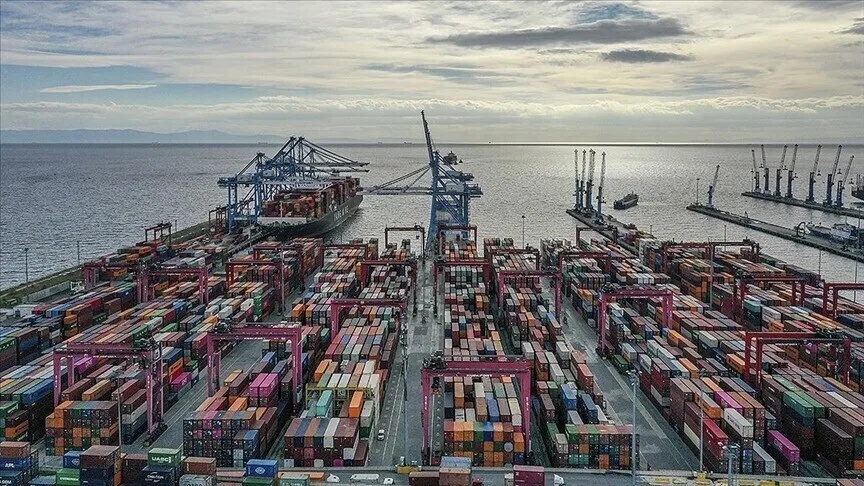
The Organization for Economic Cooperation and Development (OECD) announced on Wednesday a reduction in its global economic growth forecast for 2026, from 2.9 percent to 2.8 percent. This adjustment comes as a result of disruptions in global supply chains amid ongoing regional tensions. The OECD's latest "Global Economic Outlook" report detailed the worldwide repercussions of military operations between the United States and Israel on one side, and Iran on the other, which commenced on February 28. Established in 1961 and headquartered in Paris, France, the Organization for Economic Cooperation and Development is an intergovernmental forum of 38 industrialized nations. The organization noted that the projected global economic growth rate for 2026 would be 2.8 percent, down from its prior estimate of 2.9 percent. Explaining the reduction, the OECD affirmed that "the conflict in the Middle East has become the main driver of global economic expectations." This development followed stalled negotiations between the parties, as the United States imposed a naval blockade on Iranian ports, including those on the vital Strait of Hormuz for global energy supplies, since April 13. Tehran, in turn, restricted ship passage through the strait, demanding prior coordination. This has fueled fears of renewed hostilities, already contributing to increased global energy prices and inflation. The organization reported sharp increases in energy prices and essential agricultural and industrial inputs from Arab Gulf economies since last February. This rise coincides with a decline in the production and export of these commodities. It elaborated that "this situation exacerbated inflation, leading to a decline in real incomes and economic growth. Consequently, GDP growth forecasts were adjusted downwards, and inflation figures revised upwards." While maintaining its 2027 growth forecast at 3.1 percent, the organization warned of a potential slowdown to 2.1 percent if the conflict and regional tensions persist. Washington and Tehran have been engaged in difficult negotiations to end the dispute since the current truce began on April 8, with cautious optimism for a potential agreement.