Global

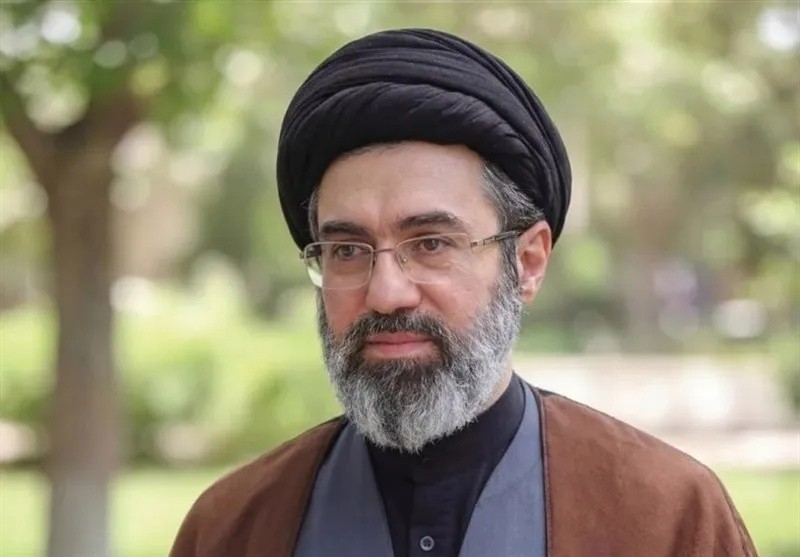
Iranian President Masoud Pizishkian affirmed that Tehran's new plan for reopening the strategic Strait of Hormuz was developed "in coordination" with Leader Mojtaba Khamenei. Pizishkian, in an interview with CBS, stressed this plan would be implemented "without any problems" if the United States approves and fulfills its commitments, stating, "Coordination with the leader of the revolution has been made, and there will be no problem in this regard." This coordination revelation comes amid ongoing speculation about Mojtaba Khamenei's health; he has not appeared publicly since succeeding his father, Ali Khamenei, who was killed on the first day of the US-Israeli war on Iran. Mojtaba's absence since last March, with only written messages via official media, fueled rumors about his condition and governing ability. Information indicates the new leader suffered severe injuries on February 28 from US-Israeli airstrikes that killed his father, causing facial disfigurement and fractures to his left leg, per informed sources. Despite these doubts, Pizishkian emphasized the Leader is in good health and monitoring affairs, with his face and legs healed. The Iranian President clarified that "enemies'" security risks prevented his public appearance. He added he met Khamenei twice, spending seven hours on one occasion discussing various issues. In a related context, Pizishkian, who concluded a week of diplomatic talks in New York, revealed a six-member team's formation. This team includes representatives from various organizations, including the army, parliament, and government, convening to discuss pending issues and holding decision-making authority. However, discussing such a committee while Mojtaba Khamenei remains absent publicly, especially after assuming a profoundly significant religious and political position, reignites questions about his health. This unfolds as Iran faces its most severe crisis since its 1979 "Islamic Revolution," increasing doubts about his continued public absence.