policy

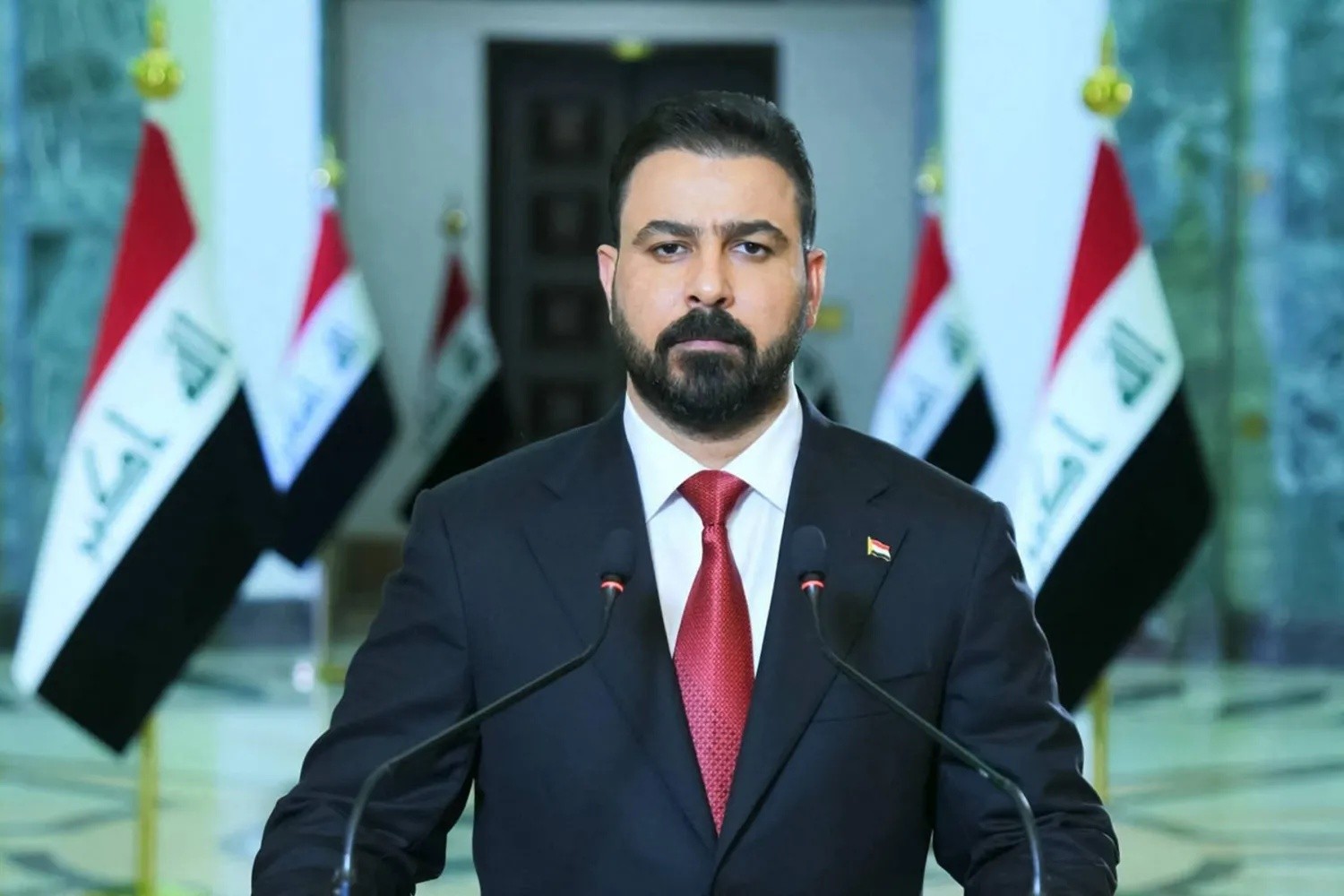
The significance of bilateral relations between Baghdad and Riyadh comes at a time when the region is witnessing increasing challenges that require joint coordination and a clear strategic vision, as ongoing rapprochement between the two countries emerges as a vital factor in enhancing regional security. In light of these transformations, Prime Minister Ali Faleh Al-Zaidi pointed out in his article titled "Iraq and Saudi Arabia... Towards a Stable Regional System" the dimensions of this cooperation and the importance of establishing new foundations for economic and security integration. Al-Zaidi began his vision by recalling the connotations of Sovereignty Day and observing the formations of the armed forces, emphasizing that national responsibility dictates strengthening state institutions and managing foreign relations with flexible wisdom that is not limited to traditional power tools, but extends to flexible diplomacy and economic openness. He pointed out that the political, geographical, and economic weight possessed by Iraq and the Kingdom of Saudi Arabia grants their cooperation an advanced strategic dimension based on Arab ties and mutual interests that have resulted in building mutual trust. In a related context, the Prime Minister stressed that the security of Iraq and the stability of the Kingdom of Saudi Arabia cannot be considered separate issues, but are an integral part of a broader equation closely linked to the security of the Gulf and the stability of the entire region. He explained that this vision requires adopting diplomacy based on the principle of mutual sovereignty and joint respect for the choices of states and their right to formulate their national decisions, while emphasizing Iraq's anticipated role as a bridge of communication and a meeting point for regional dialogue away from the politics of axes and alignments. The article drew attention to the repercussions left by the disturbances associated with the closure of the Strait of Hormuz on trade movement, energy supplies, and regional economies, which clearly proved the inevitability of diversifying trade routes and not being tied to a single exceptional circumstance. In this context, he called for building a more flexible Iraqi economy that relies on diversifying income sources, expanding trade outlets, developing infrastructure and the transport sector, highlighting the importance of strategic projects such as the Development Road and Gulf interconnection in integrating the national economy into regional and global markets. In conclusion, Al-Zaidi affirmed that the stability of the domestic environment represents the cornerstone of any successful partnership, stressing that the path of internal reform, combating corruption, and applying the rule of law constitutes essential conditions for attracting investments. Through this comprehensive vision, Baghdad and Riyadh can launch an advanced phase of rapprochement and joint planning to ensure laying the foundations for sustainable stability and broader regional integration.