Global


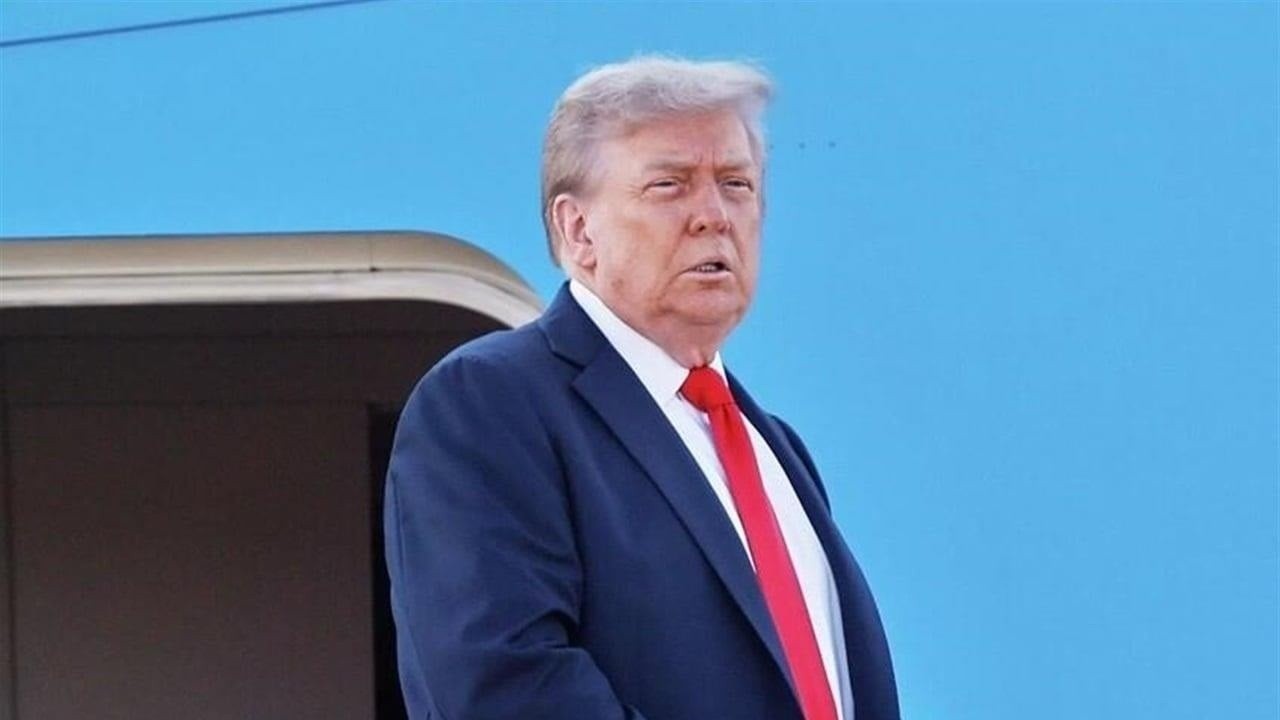
Mohammad Baqer Qalibaf, Speaker of the Iranian Parliament, affirmed on Sunday that Iran does not wish to maintain the current state of "neither war nor peace" with the United States, emphasizing that reaching an agreement depends on Washington's acceptance of seven Iranian conditions. In a speech before the parliament's general session, Qalibaf explained that the U.S. stance on returning to negotiations or resuming military confrontation is not a priority for Tehran. He noted that the seven conditions proposed by Iran are based on clear logic, and their acceptance by the American side would pave the way for an agreement between the two parties. He warned that any new mistaken U.S. move could lead to an expansion of the confrontation, pointing out that the escalation path will depend on the capabilities of the Iranian armed forces and the choices they make, reiterating Iran's rejection of the continuation of the current state between war and peace. On the military front, he referred to the recent unveiling of a new missile city, describing it as one of Iran's most significant achievements during the war, despite the attacks the country has faced. He considered that the importance of this development goes beyond technical and defensive aspects to its impact on the balance of power. Economically, Qalibaf stressed that the challenge facing Iran is not limited to military confrontation but also includes increasing production and improving citizens' living conditions. He also criticized statements by U.S. Treasury Secretary Scott Bessent, viewing them as evidence of Washington's inability to deal with the strength of the Islamic Republic. These remarks coincide with a Reuters report stating that U.S. President Donald Trump is considering suspending new military strikes against Iran, provided that Tehran and the Houthis in Yemen refrain from launching attacks or carrying out new provocations. The agency cited three individuals familiar with the discussions who said Trump informed his senior advisers in recent days that he is contemplating halting strikes following meetings with the National Security team and intelligence briefings on war developments, while Israel continues to pressure for the resumption of military operations amid U.S. moves to bolster military presence in the region.