Global

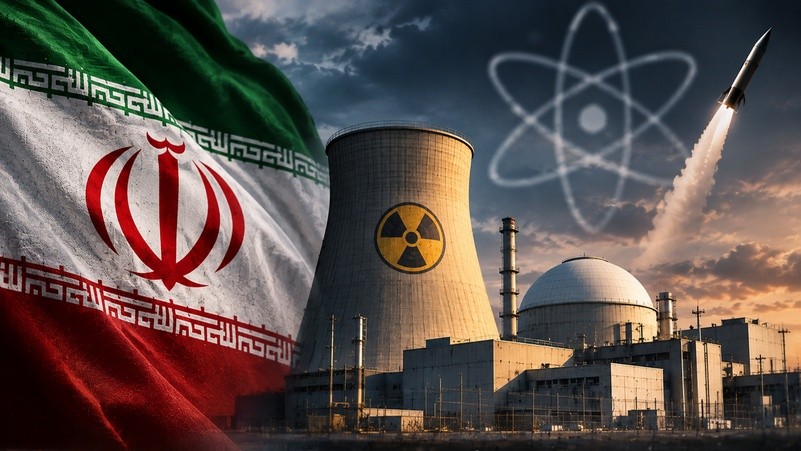
The debate over the possibility of revising Iran's nuclear doctrine has resurfaced following remarks by a Revolutionary Guard official suggesting a potential review of the country's defense policy. This comes amid growing calls within political, religious, and military circles advocating for nuclear weapon possession. When asked about extending the range of Iranian missiles and the possibility of unrestricted retaliation against adversaries, the official stated that Tehran makes decisions based on its own needs and doctrine, adding that "enemy actions" might prompt a reassessment of this doctrine. These statements followed a series of positions expressed in October and November, moving beyond demands for missile development to calls for reconsidering the policy of refraining from nuclear weapons production. On November 12, the Assembly of Experts called for reviewing the defense doctrine and reconsidering Iran's membership in the Nuclear Non-Proliferation Treaty, deeming it necessary to enhance deterrence. Earlier, on October 31, the Secretary of the Supreme National Security Council indicated that changing the nuclear doctrine was under discussion if war resumed, but emphasized that no official decision had been made. Additionally, on November 7, the Revolutionary Guard spokesman announced readiness to take necessary measures should the leadership decide to pursue nuclear weapons production. The debate extended to the previous supreme leader's fatwa prohibiting nuclear weapons, with some deputies and clerics advocating for atomic bomb production, and one cleric stating that possessing nuclear arms could become a religious duty if deterrence demands it. These positions reflect a widening circle of proponents for changing nuclear policy, as the discussion has shifted from statements by hardline figures to prominent religious and security institutions. However, calls for nuclear weapons production do not equate to an immediate decision to manufacture them, and the Guard's readiness to implement leadership directives does not confirm the start of an atomic bomb program. The final decision remains tied to the current supreme leader's stance, whether to uphold his predecessor's prohibition or allow its revision. Any official move toward acquiring an atomic bomb could escalate regional tensions, raise fears of a new arms race, and potentially lead to increased international pressure and sanctions on Tehran.