Eco

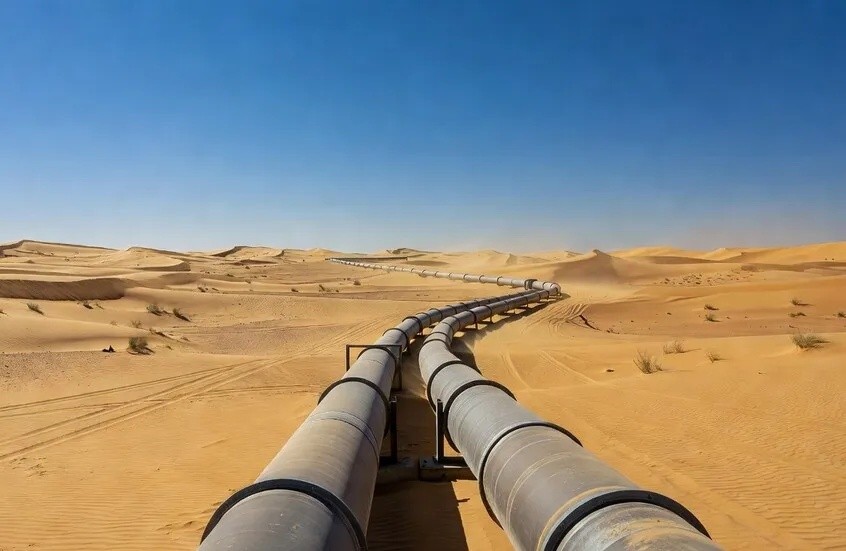
In response to an aerial attack on a vital oil artery, Saudi Arabia has enacted a precautionary shutdown of its strategic "East-West" pipeline. This urgent measure seeks to ensure the safety of oil installations and assess potential damage, an event with significant implications for the global energy sector. Dubbed the Kingdom's "Export Shield," this pipeline is the only land route enabling Saudi oil to bypass the geostrategically crucial Strait of Hormuz. The shutdown heightens fears of new disruptions in global energy markets, already facing sharp price surges from regional and international tensions. This development brings the pipeline's strategic role and the future of oil supplies into sharp focus. The "East-West" pipeline, also known as "Petroline," is a crucial 1,200-kilometer oil conduit connecting eastern oil fields to Yanbu port on the Red Sea, serving as the sole land alternative to the Strait of Hormuz. It consists of two parallel pipelines (56 and 48 inches) and 11 pumping stations, with a maximum capacity of about 7 million barrels daily. Two million barrels supply local western refineries, while the remaining five million are for Red Sea export ports. The pipeline became operational in the early 1980s amidst regional instability and fears of Hormuz shipping interruptions. The pipeline's core value lies in being the only alternative for Saudi oil traditionally exported via the Strait of Hormuz. Its strategic importance grew markedly with escalating Gulf tensions and a sharp decline in Strait navigation during 2026, shifting it from a reserve option to a primary export mechanism. However, this route itself faces increasing risks from rising tensions around the Red Sea and Bab al-Mandeb. The precautionary halt to crude pumping does not necessarily signal widespread destruction or a prolonged outage. Its primary goal is to secure affected sites and inspect pipeline integrity. While the actual impact cannot be gauged by assuming a 7 million bpd loss (representing maximum capacity, not actual quantity), the event adds upward pressure on global oil prices, already rising sharply due to geopolitical factors. The International Energy Agency reported Friday that Saudi crude supplies fell to their lowest in over three decades.