
Global
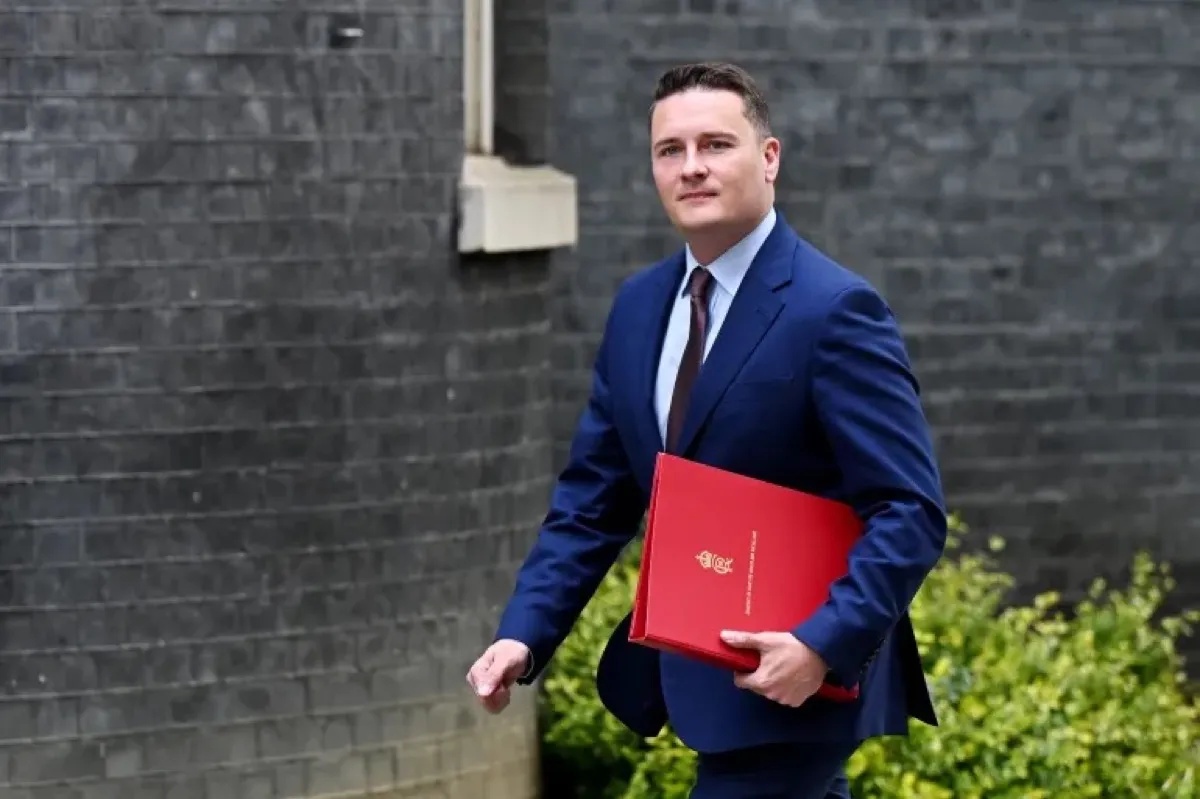
A recent security incident has exposed vulnerabilities in the communication safeguards for senior British officials, following the online appearance of personal mobile phone numbers belonging to three government ministers. This revelation coincides with an attempted scam targeting Prime Minister Andy Burnham, where he communicated with an individual impersonating Susie Wiles, former chief of staff to US President Donald Trump. According to media reports, an online list included the personal numbers of Defense Secretary Wes Streeting, Justice Secretary Alex Norris, and Northern Ireland Secretary Chris Bryant, alongside their names. This sparked concerns regarding the security of senior officials' personal communications. Sources indicated that Streeting's number has since been removed from the list, with efforts underway to remove the others. A source confirmed that Streeting uses an official government phone for all official business. The disclosure of ministers' numbers follows an even more sensitive incident, as Prime Minister Andy Burnham exchanged messages with someone impersonating Susie Wiles. Burnham continued this communication until concerns were raised about the caller's true identity. Media reports suggest the messages did not contain sensitive information, and authorities were informed of the suspicious activity immediately upon discovery. The incident raised security concerns to the extent that the British Embassy in Washington addressed the issue with the White House, according to press reports. A spokesperson for the British government declined to comment on the matter, stating that the government does not discuss national security issues. The Prime Minister's office also refrained from disclosing whether additional measures had been taken to prevent a recurrence, or if the conversation took place via WhatsApp, nor did it comment on whether Burnham felt embarrassed by communicating with the impersonator. This is not the first time attempts to impersonate Susie Wiles have raised security concerns. Last year, media reports revealed that the US Federal Bureau of Investigation (FBI) launched an inquiry into attempts to access Wiles's phone, after an unknown individual impersonating her communicated with prominent Republican figures and American corporate executives. These developments occur amid broader concerns about communication security within the Trump administration, particularly with the proliferation of personal phone numbers for some senior officials. Last March, The Atlantic magazine reported, citing unverified sources, that the White House was informed that President Trump's personal contact details were offered for sale to individuals seeking to influence him. One source indicated that the situation escalated to hearing financial offers from CEOs and crypto investors to acquire Trump's phone number. The "Signal" incident brings these concerns back to the forefront, as these events follow a series of incidents that have raised questions about senior officials' use of messaging applications and personal phones for sensitive information. In December 2025, a US Department of Defense report concluded that then-Defense Secretary in the Trump administration, Pete Hegseth, violated department policies by sharing classified military operation details in a group chat via the "Signal" app. That conversation sparked wide controversy after a journalist from The Atlantic magazine was mistakenly added to it. The group included, alongside Hegseth, Vice President J.D. Vance, then-CIA Director John Ratcliffe, and then-National Security Advisor Mike Waltz. According to reports, the Inspector General's report concluded that the information Hegseth shared was classified and could have endangered US forces if intercepted by an adversary. The incident involving British ministers' phone numbers and Burnham's communication with an impersonator highlights a broader security challenge that extends beyond a single event. The security of personal phones and messaging platforms has become an increasing challenge for government officials. Even when conversations do not contain overtly sensitive information, impersonating a high-ranking official can serve as an entry point for subsequent attempts to obtain information, build a relationship with the target, or pave the way for a more serious attack. Furthermore, the online appearance of personal phone numbers for government officials significantly increases their vulnerability to impersonation attempts, phishing, or unwanted communications.