
Eco

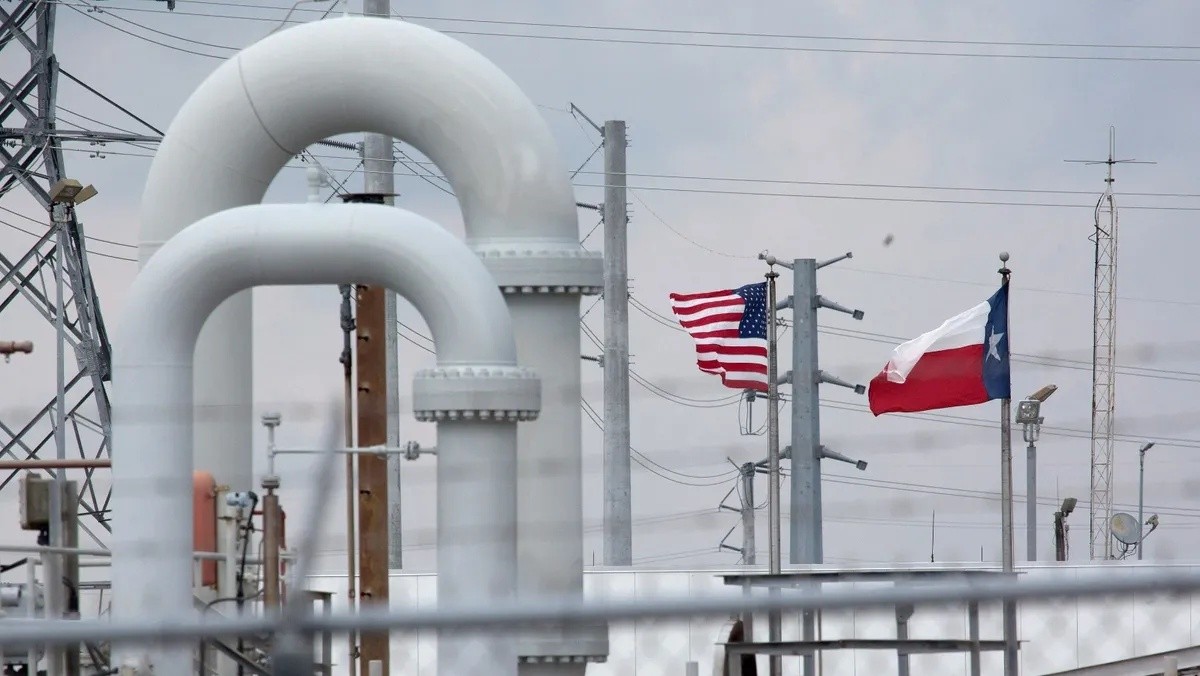
US oil companies have earned profits exceeding $130 billion during the first six months of the Iran conflict, benefiting from rising prices of gasoline, diesel, and other fuel types, while American consumers have borne increased costs due to the impact of the conflict on global energy supplies. An analysis based on the performance of more than 50 major US companies in the oil and gas sectors, mostly producers or refiners, revealed that their combined profits from April to September surpassed $130 billion. This figure, described as conservative, is nearly three times the profits these companies made during the same period in 2025, which were under $47 billion amid lower oil prices and the initial effects of the US trade war. The estimate does not include profits from March, the conflict's first month, or October. Meanwhile, Americans have spent an additional $147 billion on gasoline and diesel purchases since the US and Israel began strikes on Iran on February 28, equivalent to over $1,100 per American household. US refining companies have seen significant gains, benefiting from a reduced number of operational refineries worldwide due to damage to production facilities in the Middle East and Russia, which increased profit margins for the remaining refineries. US oil producers also earned higher revenues thanks to price increases, without bearing the risks or costs associated with operating in conflict zones. US crude oil exports are approaching a record level in April as Asian buyers seek alternative supplies to Middle Eastern oil due to the conflict. However, overall profits remain below 2022 levels, when the Russian invasion of Ukraine caused sharp increases in oil and natural gas prices. The average price of US oil was about $90 per barrel from April to September, compared to around $100 per barrel during the same period last year. ExxonMobil and Chevron, the two largest US oil companies, reported their highest quarterly profits for the third quarter in years, supported by strong refining operations. Exxon's CFO acknowledged the pressure high fuel prices place on households and businesses but noted that current market conditions cannot be quickly changed through increased investments. Chevron's CFO stated that additional funds will be added to the company's balance sheet, strengthening the assets relied upon during difficult times. Dozens of other US oil companies are expected to announce their third-quarter financial results in the coming weeks. The analysis is based on a combination of announced financial results and analyst estimates compiled by financial data firm FactSet. US oil companies involved in President Joe Biden's sector reform plan intend to continue boosting production this year despite rising costs. Part of the strong performance of US refiners is due to their heavy reliance on pipeline-delivered oil, shielding them from sharp increases in shipping costs. These companies form a crucial link between oil producers and consumers by converting crude oil into usable fuels like gasoline and diesel. Some companies, such as Exxon and Chevron, combine production and refining, while others focus on one of these activities. The substantial profits are not limited to US firms; major European companies have also reported strong gains. Shell posted $12.06 billion in profits during the third quarter, more than double its earnings in the same period last year, partly due to higher refining revenues. TotalEnergies of France also more than doubled its third-quarter profits to $8.26 billion.