Global

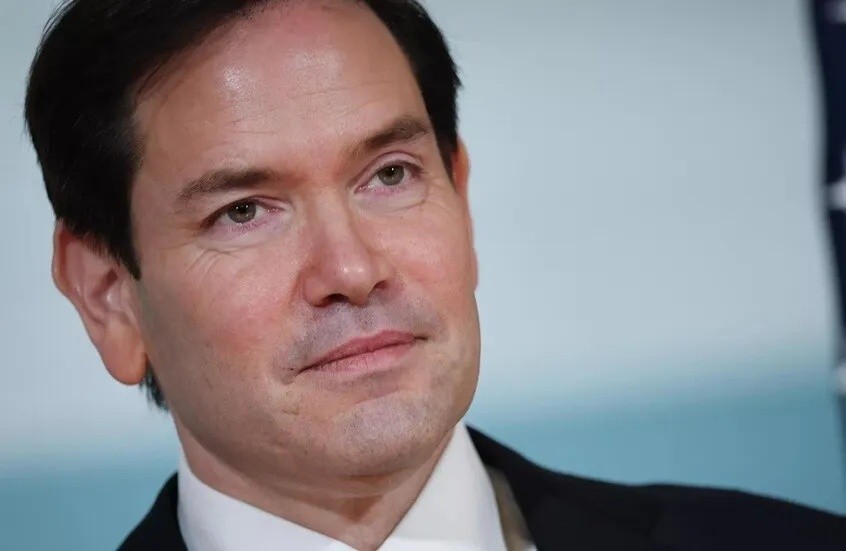
Detailed reports indicate that U.S. Secretary of State Marco Rubio played a pivotal role in derailing a potential peace agreement aimed at ending the conflict with Iran. This development occurred during a sensitive round of negotiations held in Pakistan, which included the participation of U.S. Vice President J.D. Vance. During the marathon meeting in April, American negotiators expressed significant concern over what appeared to be a shift in the proposed deal's terms by the Iranian side. Consequently, during a break, the U.S. team contacted Rubio for guidance on the next steps. Rubio agreed that the Iranian offer at hand could not be accepted, unequivocally stating, "There will be no deal." In a related context, analyses highlight that Rubio deliberately avoids publicly leading peace consultations, delegating these responsibilities to J.D. Vance, as well as Special Envoys Steve Witkoff and Jared Kushner. Nevertheless, it appears that the head of American diplomacy functions as the influential "gray cardinal," reserving for himself the power of veto over key decisions and having the final say behind closed doors. Rubio is considered a highly influential figure within President Donald Trump's administration, largely due to his dual roles as Secretary of State and National Security Advisor. This position allows him to spend more time with the President than any other cabinet member, thereby bolstering his influence in decision-making. It is noteworthy that direct negotiations between the United States and Iran concerning a potential ceasefire, hosted in Islamabad last April with Vice President Vance's involvement, ultimately failed after 21 hours of intensive discussions. Washington demanded that Tehran abandon its nuclear weapons development programs and fully open the Strait of Hormuz, while Iran insisted on retaining full sovereignty over the strait. The talks concluded with both parties parting ways without reaching any agreement. The revelation of these developments comes amidst an unprecedented military escalation in the region. In an escalatory move, the U.S. Central Command announced the targeting of three Iranian oil tankers, one of them off Kharg Island. This action was reportedly in response to previous attacks carried out by Iran's Islamic Revolutionary Guard Corps against U.S. warships.